







By Stella Qiu
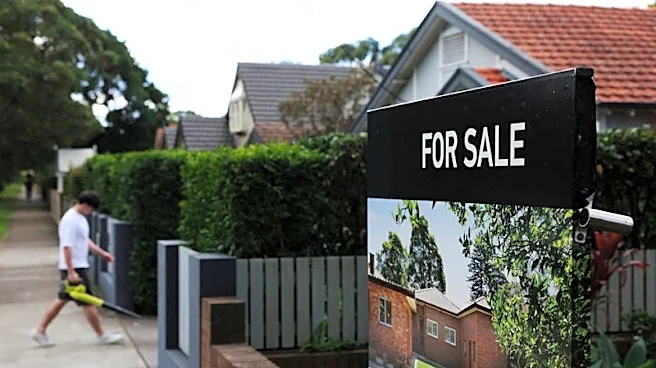
SYDNEY, Oct 1 (Reuters) - Australian home prices fell for a sixth straight month in September, on track for the worst downturn in three decades, with persistent inflation pressure leaving little prospect of relief from high interest rates after this week's hike.
Figures from property data firm Cotality showed national home prices fell 1.1% in September from August, when they dropped by a downwardly revised 1.2%. That left prices 5.2% below their peak and flat from a year ago.
UBS said
the rate of declines is near the sharpest on record, with worse to come as rate hikes, government tax changes and poor consumer sentiment darkening the outlook.
"In this cycle, UBS still expect dwelling prices to decline for at least a year, with a peak-to-trough drop towards about 10%," which would be the largest downturn since records begin in 1980, said George Tharenou, chief economist at UBS.
The worst slump on record currently is an 8.9% drop in 2022-2023, when the Reserve Bank of Australia raised interest rates by 425 basis points after COVID to tame inflation.
Sydney prices fell 1.4% and are now nearly 9% below their February peak, surpassing the scale of the post-pandemic downturn. Melbourne eased 0.7%, extending its losses from the peak to more than 7%.
Prices in Brisbane, Adelaide and Perth all slid more than 1%, surrendering some of the extraordinary 50% to 70% gains accumulated over the past five years.
The RBA on Thursday played down the damage being done to the housing market, saying even a further price fall of 20% would still leave just 5% of borrowers at risk of defaulting on their loans.
The central bank has flagged the housing market as a downside risk to the economy, but that did not stop it from raising interest rates for a fourth time this year on Tuesday to a 15-year high of 4.6% to fight stubborn inflation. It warned it was ready to raise rates further if needed.
TIDE IS SHIFTING
Decades of low interest rates and generous tax breaks have supercharged property prices, lifting the value of Australia's residential stock above A$12 trillion ($8.34 trillion), more than four times the annual economic output. National house prices surged over 60% in the past decade, with Sydney the world's second least affordable market after Hong Kong.
The housing market has had corrections before, but each has been followed by an even bigger rebound. Prices surged after the record 2022-2023 slump because of a chronic supply shortage and surging migration before interest rate cuts added more fuel.
However, with interest rates staying high for longer and the government removing tax breaks for new property investors in established homes, the tide may be turning toward a deeper and more prolonged downturn in the property market, with significant consequences for the economy.
Cotality's data showed transaction volumes fell at a sharp pace, with sales for the past three months down 19% from a year earlier, suggesting buyers remain on the sidelines.
A sustained slump in housing turnover has broader implications for the economy, given the sector's extensive links to industries ranging from real estate services to tradespeople and construction. Reuters estimated up to A$5.6 billion in annual revenue could be lost if the downturn persists.
"The home price slump will weigh on economic growth, but as we saw this week it's not significant enough yet for the RBA to shift gears to cutting rates given high inflation," said Shane Oliver, chief economist at AMP, who tips a fall of 10% to 15% this cycle.
"But it likely will be by the second half next year."
($1 = 1.4382 Australian dollars)
(Reporting by Stella Qiu; Editing by Stephen Coates, Neil Fullick and Kevin Buckland)