



By Valerie Volcovici
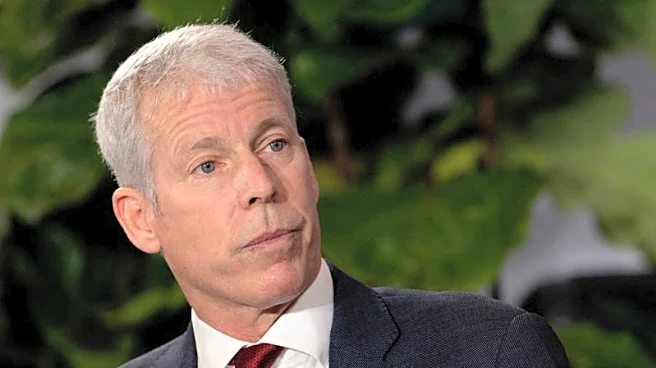
WASHINGTON, Jan 16 (Reuters) - The U.S. is moving as fast as it can to grant Chevron an expanded license for its oil production in Venezuela, U.S. Energy Secretary Chris Wright told Reuters on Friday.
The U.S. plans to let Chevron compensate the Venezuelan government with cash instead of crude, which will let the company sell all the oil it produces in the country, Wright said.
"So they become immediately, another marketer of crude as well," he said in a brief interview at the U.S.
Energy Department headquarters.
Chevron, to comply with its current license, has been paying Venezuela's government royalties and taxes with oil in kind instead of cash, effectively reducing what it can export to about 50% of the crude it produces in the country. The administration of President Donald Trump has been working to re-activate the Venezuelan oil industry after Nicolas Maduro was removed from power earlier this month.
Reuters reported this week that the Houston-based company is expected to soon get an expanded Venezuela license that would allow for increased production and exports from the country.
Chevron did not immediately respond to a request for comment.
U.S. CONTROLS VENEZUELA'S OIL SALES
After Trump said the U.S. would run Venezuela's oil industry and take charge of oil sales for the country, Washington announced plans to market up to 50 million barrels of stranded Venezuelan oil.
Wright said the U.S. is now getting a far higher price for the oil. Before Maduro's capture, Venezuela was getting roughly $31 a barrel, Wright said, explaining that the price reflected the average price of Brent crude of $60/bl minus $29.
"Now we can sell that crude today...at about a $15 discount. So they're going to get $45 for the crude," he said.
Brent futures settled at $64.13 a barrel on Friday, up 37 cents.
Wright confirmed that the U.S. has put proceeds from the oil sales in Qatari bank accounts controlled by the U.S. government.
"It's just a pragmatism thing," Wright said, referencing U.S. banking regulations, Venezuela sanctions and the U.S.'s desire to move quickly.
He said that ultimately the U.S. would love to run the funds through U.S. banks.
"I suspect that's where we'll get but in all cases, even now, the funds are in accounts controlled by the U.S. government," he said.
(Reporting by Valerie Volcovici and Timothy Gardner; Editing by Nathan Crooks and David Gregorio)