






By Jason Lange and Bo Erickson
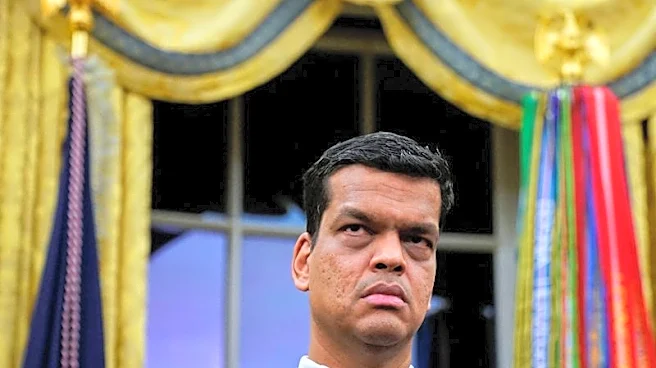
June 6 (Reuters) - A top White House artificial intelligence policy adviser on Saturday said he will leave his position at the end of June, marking the exit of a leading figure helping craft policies for frontier technologies.
"This journey has been the privilege of a lifetime," the adviser, Sriram Krishnan, posted on social media platform X.
Krishnan did not give a reason for leaving, but wrote in the post he intends to help "tackle some of the large challenges facing
America" related to AI.
Krishnan has been involved in the Trump administration's efforts to create a national framework for regulating developments in AI.
His departure comes as the president looks at the possibility of the U.S. government acquiring stakes in AI firms.
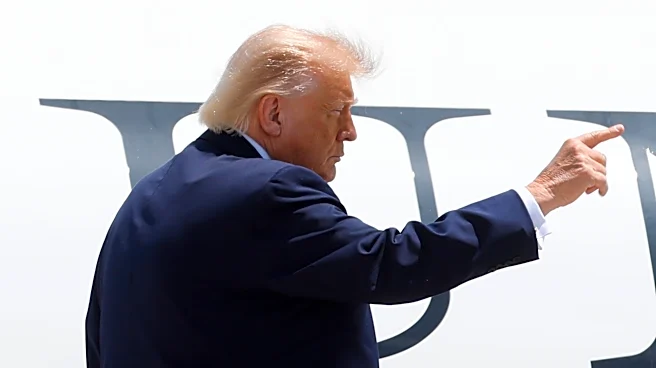
"There's something very interesting about it, where it almost becomes a partnership with the American public," Trump told reporters aboard Air Force One on Friday, adding that he planned to meet with AI executives as soon as next week.
Trump's embrace of AI has at times been complicated by security concerns about the technology within his own administration.
Fears over AI's unknowns in national security contributed to a months-long standoff between the Trump administration and AI firm Anthropic.
The Pentagon blacklisted Anthropic earlier this year after the tech company refused to allow the U.S. military to use its models for domestic surveillance and fully autonomous weapons systems.
After a White House meeting with the CEO of Anthropic, which is preparing to go public, tensions have appeared to thaw.
The White House in a Tuesday executive order directed federal agencies to ask leading AI developers to voluntarily submit their most capable models for government cybersecurity tests before releasing them to the public.
Some populists in the president's orbit warn that AI presents a political risk, as proposals to build data centers to power these companies have stirred intense backlash.
In his State of the Union speech in February, Trump said he told big tech companies to build their own power plants. Tech CEOs later agreed to tackle new electricity generation and efficiency measures.
(Reporting by Anusha Shah in Bengaluru, Jason Lange in Washington, and Bo Erickson in New Brunswick, New JerseyEditing by Rod Nickel, Franklin Paul, Sergio Non and Sanjeev Miglani)