







By Stephanie Kelly
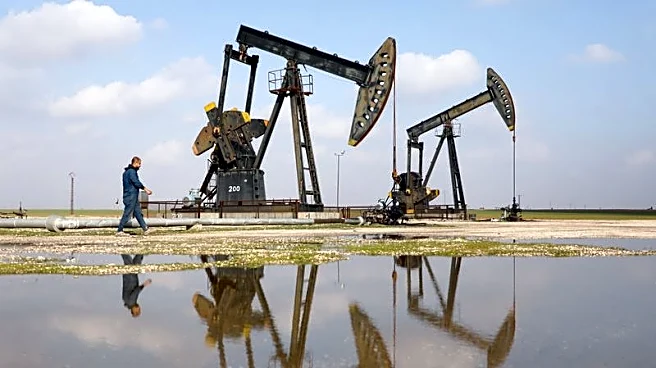
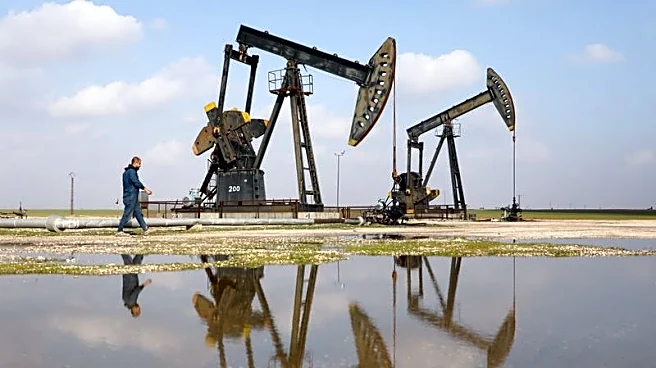
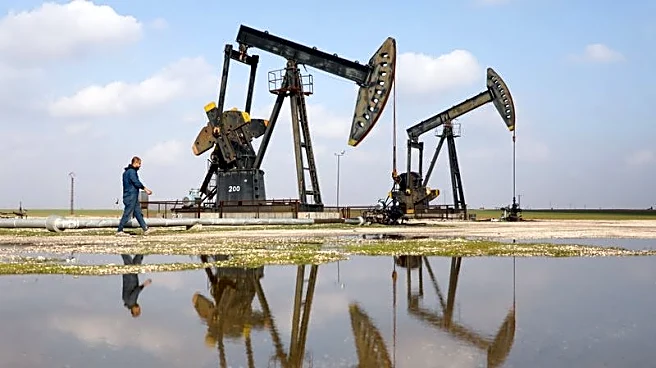
LONDON, Oct 28 (Reuters) - Oil prices rose around 1% on Wednesday after an attack on a refinery in Saudi Arabia, the world's top crude exporter, renewed concerns about supply risks due to the conflicts in the Middle East.
Brent crude futures were up $1.14, or 1%, at $115.02 a barrel at 1313 GMT. US West Texas Intermediate crude was up $1.71, or 1.7%, at $101.61.
Yemen's Iran-aligned Houthis said on Tuesday they had hit Saudi Arabia's biggest oil refinery with a missile, intensifying
their strikes against the world's second-largest crude producer. Saudi authorities did not immediately confirm the strike on the 550,000-barrel-per-day facility.
The Houthis on Wednesday called on people to evacuate immediately from the international airport in Aden, where Yemen's internationally recognised, Saudi-backed government is based.
For now, the market is pricing in a greater likelihood of re-escalation, ING commodity strategists said on Wednesday.
"Oil prices remain elevated as the market waits for greater clarity on President (Donald) Trump's next move toward Iran," they said.
"If we get past the elections without renewed strikes on Iran, that might be enough for the market's risk premium to start eroding," they added, referring to US midterm elections on November 3.
Meanwhile, US crude oil stocks eased, according to market sources citing data from the American Petroleum Institute. Crude stocks fell by 2.03 million barrels in the week ended October 23, the sources said, against expectations of a 15,000-barrel build in an analyst poll by Reuters.
"Preliminary data pointing to a decline in US crude inventories is adding to the positive momentum (of oil prices)," said UBS analyst Giovanni Staunovo.
Government data from the US Energy Information Administration is due later on Wednesday.
The market will also monitor an industry meeting on Sunday, where OPEC+ oil producers are expected to keep their December oil output targets steady, according to people with knowledge of the matter.
Production in most of the seven core OPEC+ members — Saudi Arabia, Russia, Iraq, Kuwait, Algeria, Kazakhstan and Oman — is below their output targets.
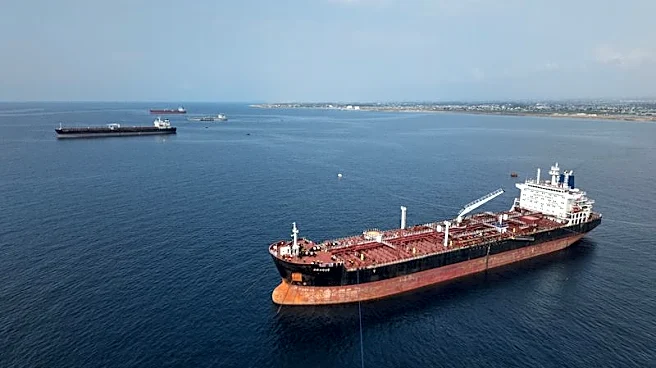
Crude oil exports from Russia's Baltic and Black Sea ports could fall next month as domestic refiners increase diesel output following a deal with Washington this month, traders said.
(Reporting by Stephanie Kelly in London and Jeslyn Lerh in Singapore. Additional reporting by Colleen Howe in Beijing. Editing by Christian Schmollinger, Joe Bavier and Mark Potter)