





By Aida Pelaez-Fernandez
MEXICO CITY, July 30 (Reuters) - Mexico's economy rebounded in the second quarter from the previous three-month period, growing at its fastest pace since late 2020, a preliminary estimate from national statistics agency INEGI showed on Thursday.
Latin America's second-largest economy expanded 1.5% in the second quarter, INEGI said in a report, with all three main sectors posting growth.
GDP rebounded from a 0.6% contraction in the first quarter and exceeded the 1.3% increase
expected by economists in a Reuters poll.
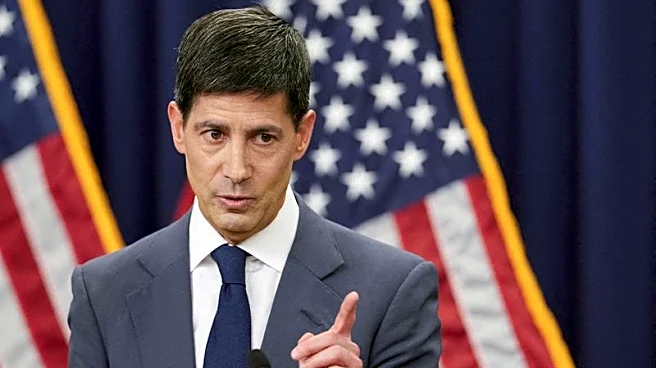
"The data does suggest that the communications are likely to become a bit less dovish and we think the balance of probabilities is tilted towards a rate hike over the next six months or so," Capital Economics analyst Kimberley Sperrfechter said in a note.
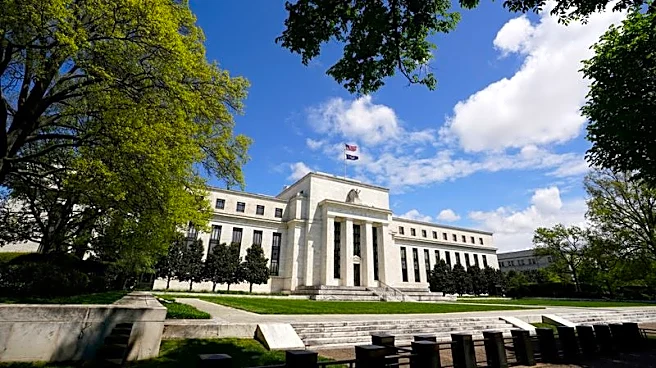
Mexico's central bank, also known as Banxico, took a dovish stance in its latest meetings, cautioning about persistent inflation and Mexico's economy amid global tensions.
The economic expansion was mainly fueled by primary activities, which include farming, fishing and mining, which expanded 3.3% on a sequential basis.
The secondary sector - which includes manufacturing and construction - increased 1.6%, and services activity rose 1.5% in the period.
Compared with the same quarter last year, the Mexican economy grew 2.2% in the period, also above a 1.5% year-on-year rise expected by economists.
DIVIDED FUTURE
Looking forward, Gabriella Siller, Banco Base's economic analysis director, warned that "output in the quarter following the World Cup will likely be lower in the construction, retail, and services sectors," pointing particularly to services linked to tourism and recreational activities taking a hit.
She added that after the football tournament that Mexico co-hosted with the United States and Canada, a downward revision to GDP is expected, which would result in a quarterly contraction.
The Ministry of Finance has estimated that GDP will grow between 1.8% and 2.8% this year, a projection more optimistic than the market's 1.1% forecast and also above the 1.2% increase expected by the International Monetary Fund.
(Reporting by Aida Pelaez-Fernandez and Ricardo Figueroa; Editing by Hugh Lawson, Gabriel Araujo and Nick Zieminski)