



By Jack Queen
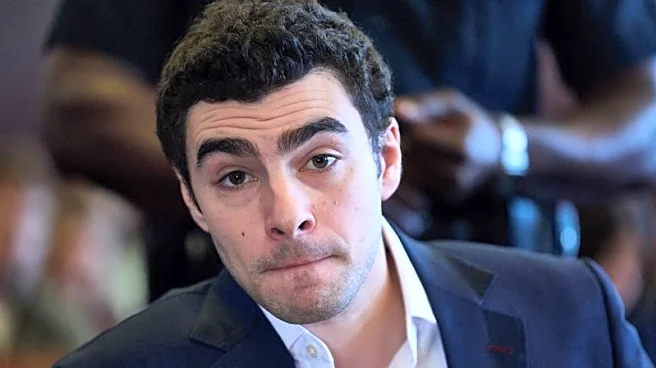
NEW YORK, Jan 30 (Reuters) - Luigi Mangione will not face the death penalty after a U.S. judge on Friday dismissed murder and weapons charges against the accused killer of UnitedHealthcare CEO Brian Thompson, in a major blow to federal prosecutors.
U.S. District Judge Margaret Garnett in Manhattan said she felt constrained by Supreme Court precedents to dismiss the murder charges, saying they were legally "incompatible" with the two stalking charges Mangione still faces. He still faces possible
life in prison if convicted.
Mangione, 27, had pleaded not guilty to all charges stemming from Thompson's death in December 2024, and has been jailed since his arrest.
While public officials widely condemned the killing, Mangione became a folk hero of sorts to many Americans who decry high costs for medical care and health insurer practices.
Mangione has pleaded not guilty to separate murder, weapons and forgery charges in a New York state court in Manhattan. No trial date has been set. Garnett had scheduled jury selection in the federal case to begin in September.
In a 39-page decision, Garnett said federal prosecutors could pursue their murder and weapons charges only if the stalking charges qualified as "crimes of violence."
She said the charges did not qualify because any use of force could be achieved through "reckless," as opposed to intentional, conduct.
The judge said prosecutors and Mangione agreed that this fell short of the kind of "force" the Supreme Court required to make out a crime of violence.
Garnett acknowledged the "apparent absurdity" of the legal landscape, saying no one would seriously question that Mangione's alleged conduct -- crossing state lines to kill a specific healthcare executive with a handgun equipped with a silencer -- was violent criminal conduct.
She said her analysis may strike ordinary people, and many lawyers and judges, as "tortured and strange," but it "represents the court's committed effort to faithfully apply the dictates of the Supreme Court to the charges in this case. The law must be the court's only concern."
(Reporting by Jack Queen and Ryan Patrick Jones; editing by Susan Heavey, Chizu Nomiyama and Bill Berkrot)