


By Leika Kihara and Takahiko Wada
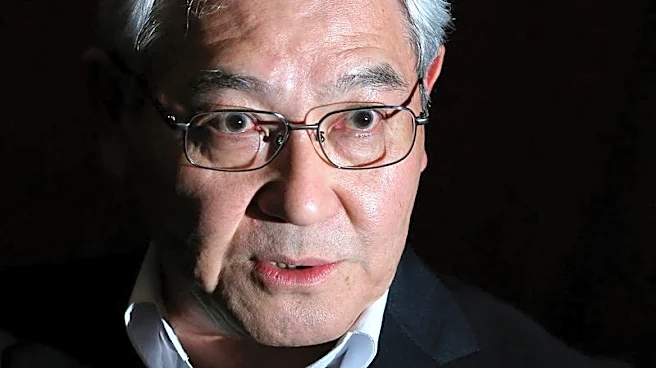
TOKYO, Sept 24 (Reuters) - The Bank of Japan is expected to raise interest rates roughly once every three months and push them up to 2% by around June next year to combat mounting inflationary pressures, former bank board member Makoto Sakurai said on Thursday.
In raising interest rates to a 31-year high of 1.25% in September, the central bank has shifted its policy approach to one increasingly focused on addressing broadening price pressures from surging fuel costs,
he said.
Government data shows Japan has seen the cost of importing crude oil spike around 70%-to-80% in recent months from levels before the US attack against Iran in February, which will boost consumer inflation ahead, Sakurai said.
A weak yen and robust AI-related demand are also boosting manufacturers' profits, underpinning the economy and fuelling demand-driven price pressures, he said.
"The BOJ is well aware of such price pressures, which led to a sea change in the way it approaches inflation," Sakurai said in an interview with Reuters.
Consumer inflation may exceed 3% by year-end through early next year, forcing the BOJ to step up hikes to keep underlying inflation from overshooting its 2% target, he said.
"Coupled with endorsement for higher rates from (US Treasury Secretary Scott) Bessent, the BOJ is probably more convinced it can speed up rate hikes and will do so ahead," said Sakurai, who retains close ties with incumbent policymakers.
. INFLATION UPGRADE EYED
The BOJ will probably revise up its inflation forecasts at its quarterly outlook report due in October and raise interest rates again most likely in December, he said.
"If the upward revision to its price forecasts is very large, there's a chance the BOJ could opt to hike in October instead of waiting until December," Sakurai added.
After the rate hike to 1.5% expected by year-end, the BOJ will likely raise rates to 1.75% in the first quarter of 2027 and to 2% by June next year, he said.
While the BOJ's terminal rate is seen around 2%, the level could be higher if inflation remains elevated around 3%, Sakurai added.
The BOJ raised interest rates to 1.25% last week, with its governor signalling the central bank has entered a new phase focused on preventing inflation from overshooting its target, opening the door to further rate hikes.
But the yen fell as investors saw the BOJ's message as not hawkish enough and instead focused on two dovish dissenters as a sign the central bank won't tighten policy quickly enough to narrow the wide Japan-US interest rate gap.
Sakurai said while the two dovish dissenters likely won't deter the BOJ from raising rates further, the faster pace of rate hikes also won't give the yen much support.
Investors will keep selling yen and Japanese government bonds (JGB) on prospects that Prime Minister Sanae Takaichi will continue to pursue expansionary fiscal policy, he said.
"The yen won't rebound unless Takaichi's fiscal policy changes," Sakurai said. "Even if the BOJ raises rates aggressively, it will only slow the yen's declines at best."
(Reporting by Leika Kihara and Takahiko Wada; Editing by Sam Holmes)