





By David Milliken
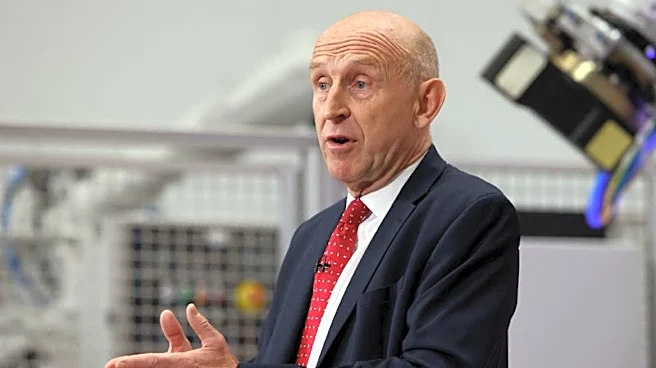
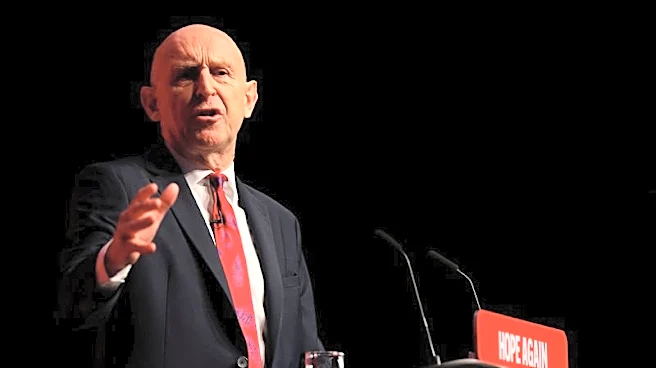
BANGKOK, Oct 15 (Reuters) - British finance minister John Healey said banks were central to the country's economic future on Thursday when pressed by reporters about the likelihood of a windfall tax on their bumper profits in his first budget on October 28.
Increasing the 3% surcharge for banks on top of standard corporation tax could raise billions of pounds at a time when many lenders have profited from rising interest rates.
However, banks argue they are already highly taxed in
Britain compared with some other major financial centres and some analysts say higher bank taxes would see them put up charges.
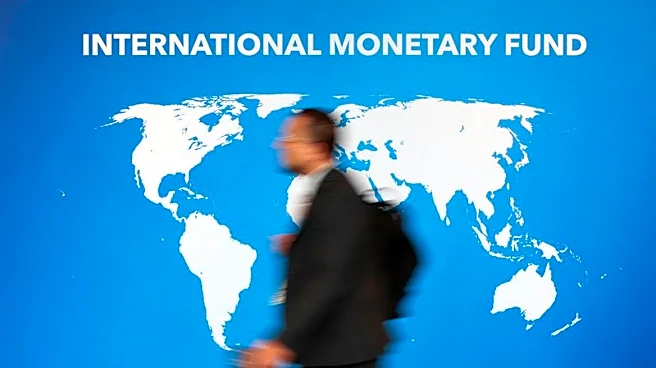
"My observation on the banks is that people too often see them as big, distant financial institutions, when they are hardwired into the economic fabric of this country and our future prospects," Healey told reporters in Bangkok, where he is attending the International Monetary Fund's annual meeting.
"That said, I've got decisions to take in the budget and I will," he added, noting that his comments were not intended to be a steer on any intended tax changes.
MANY BANKING ANALYSTS HAVE PENCILLED IN TAX RISE
Analysts covering British banks have in recent weeks suggested an increase in the surcharge that banks pay on their profits is likely, with both a return to the previous 8% level and a smaller rise of 2-3 percentage points seen as options.
The surcharge currently raises just over £1 billion ($1.3 billion) a year.
However, bank bosses have grown more confident that they will avoid such increases. The chief executives of two British lenders told Reuters in recent weeks they did not expect any increase after arguing that such a tax hike could curb lending.
Trade body UK Finance said in response to Healey's comments that an increase in bank taxes "would weaken the UK's competitiveness, discourage investment and job creation, and work against the government's ambition to deliver growth".
In an interview with Bloomberg Television, Healey described banks as "a part of the jewel ... in the British economic crown".
When asked if higher taxes on banks could be offset by lower capital requirements, he said he would not be drawn into budget speculation.
UK MAY NEED HIGHER TAXES TO KEEP DEFICIT REDUCTION ON TRACK
This week, the IMF singled out Britain for praise among major advanced economies for starting a process of deficit reduction that aims at balancing non-investment spending with tax revenue by the 2029/30 tax year.
Previous governments have struggled to meet similar rules, due to economic shocks and setting only medium-term goals.
Healey told reporters on Thursday that he intended to "stay the path" on deficit reduction in his first budget, when higher inflation and a global rise in interest rates are likely to narrow the margin he has for hitting his goals.
"I've said from day one and week one – and I have (Prime Minister) Andy Burnham in lockstep alongside me – I will meet those fiscal rules," he said.
"I want the budget to be a budget that gives a bit of breathing space but also reinforces the strength of our fiscal plans," Healey added.
British government borrowing costs last week hit their highest since 1998 and are greater than in any other major advanced economy. ($1 = 0.7545 pounds)
(Additional reporting by Sarah Young, Phoebe Seers and Lawrence White; editing by William James, Paul Sandle and Alex Richardson)