



By Lucy Craymer
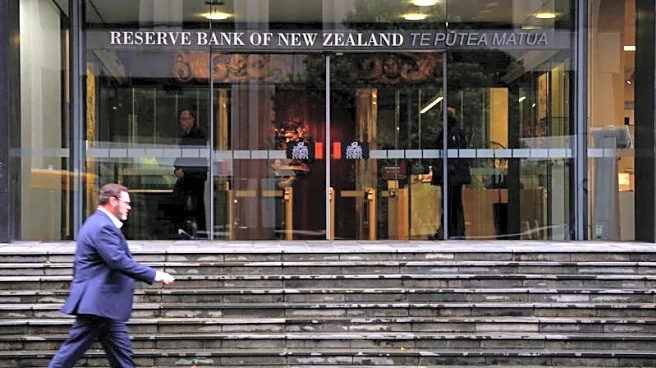
WELLINGTON, Dec 17 (Reuters) - New Zealand's central bank on Wednesday announced it would lower some of the capital requirements for the country's banking sector following a review of the rules introduced in 2019.
The country's top four Australian-owned banks will have to hold tier 1 capital of 12% down from 16% but tier 2 capital requirements will increase to 3% from 2% and they will be required to hold internal loss absorbing capacity of 6%, the Reserve Bank of New Zealand said in a document
accompanying the announcement.
Smaller banks total capital requirement will reduce to 14% from 16%, the document added.
"These new settings will reduce the overall cost of deposit takers' funding, which we expect to see passed on as benefits to New Zealanders through increased lending and reduced rates," Reserve Bank of New Zealand Governor Anna Breman said.
The current, rising capital requirements were announced in 2019 with full implementation not expected before 2028. But in March, the central bank said it would be reviewing them.
The requirements have been faulted by some politicians and groups such as farmers, and the lenders themselves, as contributing to higher interest rates and weighting on the economy.
The central bank estimates the changes will reduce average funding costs by 12 basis points and would have an expected annual net benefit of 0.12% of GDP for New Zealand compared with the full implementation of the old rules.
New Zealand Finance Minister Nicola Willis said in note that the new requirements "remain prudent and strike a better, more graduated balance between risk and competition."
She added that the adjustment to risk weights were expected to enable smaller deposit takers like banks to compete more effectively against the big four banks.
New Zealand's banking system is dominated by four large Australian-owned banks: Westpac Banking Corp, ASB Bank, which is part of Commonwealth Bank of Australia, Bank of New Zealand, which belongs to National Australia Bank, and Australia and New Zealand Banking Group.
The banks had not responded to a request for comment at the time of publishing.
(Reporting by Lucy Craymer in Wellington and Renju Jose in Sydney; Editing by David Gregorio)