


By Andrew Osborn and Vladimir Soldatkin
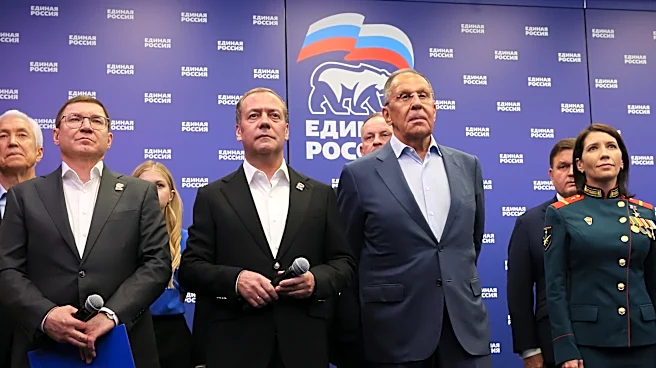
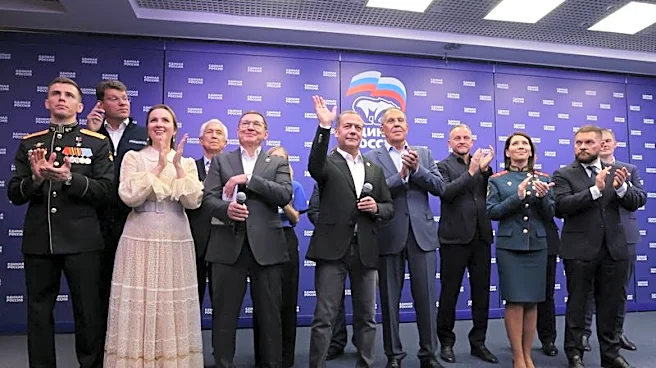
MOSCOW, Sept 21 (Reuters) - The pro-Putin ruling United Russia party won a record number of seats in the national parliament, according to near-complete official election results on Monday, while the anti-war Yabloko party appeared to have won a tiny foothold in one regional parliament.
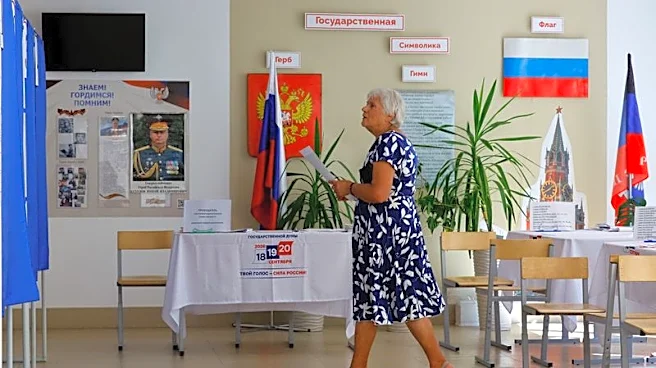
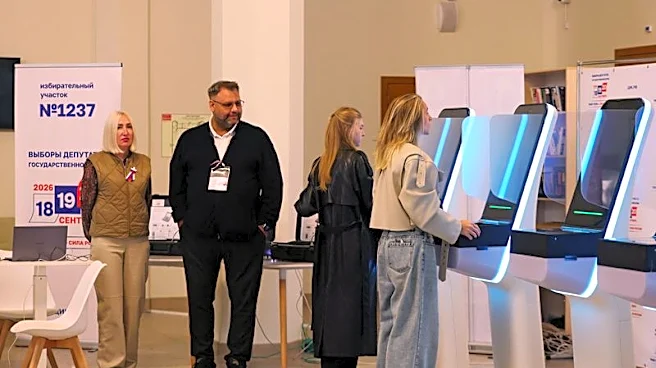
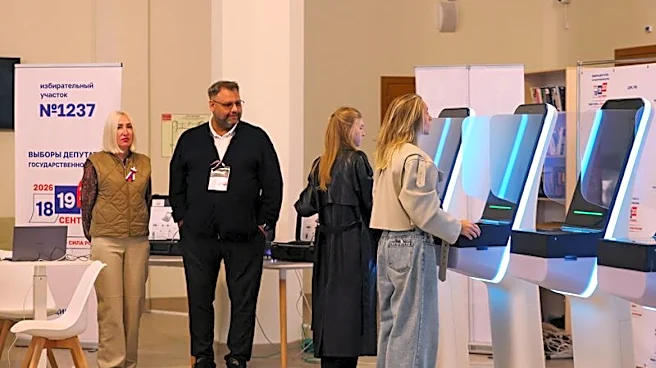
President Vladimir Putin had cast the three-day election to the State Duma - the first since Russia launched its full-scale in February 2022 - as a test of support for the war.
Elections for some regional parliaments and governors were held at the same time.
In a tightly controlled political system, which critics say does not tolerate genuine dissent, under which many of Yabloko's candidates were barred, few surprises were expected.
But political analysts said it was important to the authorities that the process itself was seen to be relatively smooth. Officials from Putin down had cast the vote as a way of showing enemies that Russia was united.
UNITED RUSSIA RETAINS OVERWHELMING MAJORITY IN DUMA
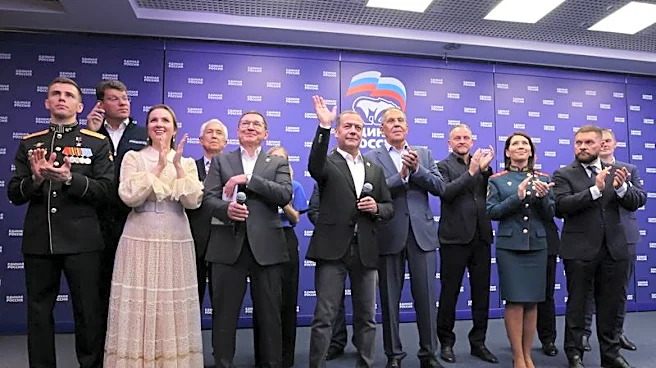
With over 95% of the vote counted, Ella Pamfilova, chair of the Central Electoral Commission, said United Russia had scored 57.83%, up from the 49.8% that it won in the last parliamentary election, in 2021.
United Russia was set to control 355 seats or nearly 80% of the 450-seat Duma, a total that includes results in individual constituencies. That would maintain its constitutional majority - enabling it to pass laws and initiate amendments to the constitution without the support of other parties. It would also be an all-time high, outstripping its 2016 record of 343 seats.
Four other parties had made it into parliament - the Communists with 13.81%, the ultra-nationalist LDPR with 8.98% and the New People party with 7.96%. The Just Russia party narrowly made the 5% threshold needed to enter parliament.
All of those parties have voted in the same way as United Russia on major issues in recent years.
In Chechnya, Ramzan Kadyrov, a close Putin ally, was re-elected to a fifth term as leader with an official tally of near 100%.
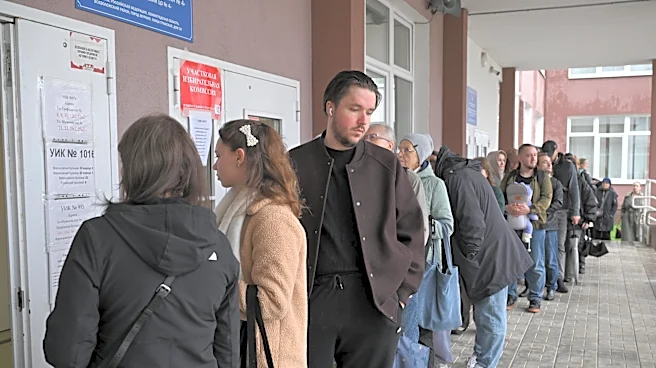
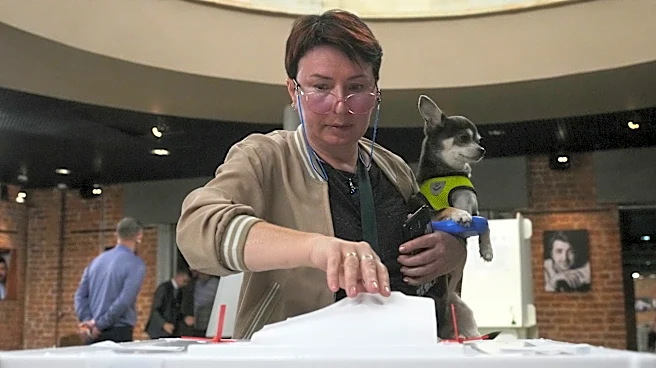
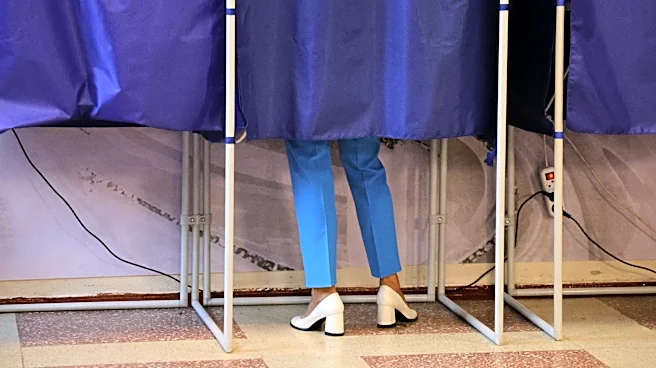
Pamfilova said turnout among Russia's 111 million voters - which she put at 59.3% - was a record for such an election, which continued despite a heavy Ukrainian drone attack on Moscow on Sunday, the last day of voting.
She also called the vote "clean" in the face of allegations from opposition activists in exile of widespread rigging.
Yabloko, the only registered anti-war party in Russia, failed to win any seats at a national level.
But in Novgorod, about 480 km (300 miles) northwest of Moscow, with nearly 97% of votes counted, it appeared to have cleared the 5% barrier by one percentage point to enter the regional parliament.
"More than 12,000 Novgorod residents supported Yabloko," the party, which supports a ceasefire in Ukraine, said in a statement.
"Peace, freedom and a life free from fear are values that have struck a chord in people’s hearts and souls."
HOPES FOR BRIGHTER FUTURE
Nobody interviewed by Reuters on Monday expressed any surprise at the election's outcome. Some expressed hope that positive changes could follow.
"In the morning I saw that United Russia was winning. It probably comes as a surprise to nobody," said Moscow resident Tatyana. Asked what she would like to change, she said: "Well, I guess everyone knows the most acute thing - the conflict in Ukraine. I'd like to see it end sooner, with peaceful methods if possible."
Daniil, who said he had been unable to vote because the system wrongly suggested he had already done so, said he wanted Ukrainian drone attacks to stop so that people could be more relaxed about taking internal flights.
Yelena, another Moscow resident, said she hoped disruptions to fuel supplies would end and prices would not rise too fast.
Others though, like Alexandra, who said she worked in Moscow's swanky Tsum department store, said they were satisfied and were not looking for particular post-election changes.
"Things are good the way they are," she said.
(Reporting by Reuters Writing by Andrew Osborn; Editing by Kevin Liffey)