




By Andrea Shalal
WASHINGTON, April 20 (Reuters) - The U.S. will host further talks in coming weeks for the Group of 20 major economies on the impact of the war in the Middle East on food and fertilizer, as it continues to push for coordinated action.
The U.S., current chair of the G20, will make the vow in a chair's statement about a meeting of G20 finance ministers and central bank governors held during the spring meetings of the International Monetary Fund and World Bank on April 16.
A copy of the
statement, released in lieu of a communique that would have required consensus by all members, was viewed by Reuters ahead of its official release later on Monday.
The statement said G20 finance officials discussed a range of issues, including the economic impact of the war and its effect on agriculture markets, value chains and fertilizer, but stopped short of announcing an agreement for coordinated action to ensure fertilizer access amid war-related disruptions.
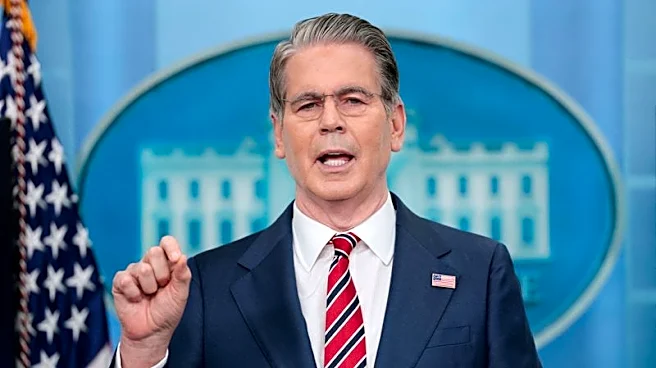
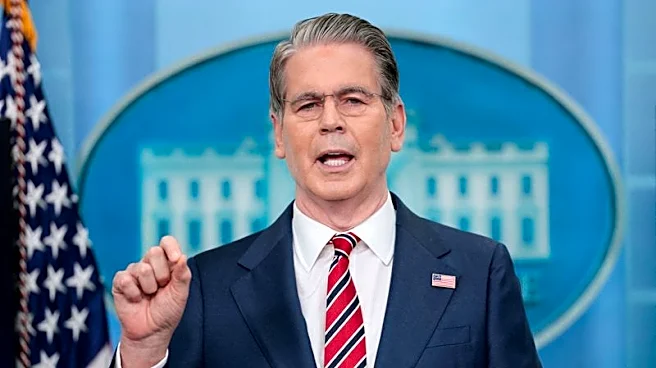
U.S. Treasury Secretary Scott Bessent last week launched an push for the G20, which includes Russia and China, to take coordinated action alongside the IMF and World Bank to ensure that countries had access to urgently needed fertilizer.
The IMF and others have cut their growth forecasts as a result of the war, which has sent energy prices sharply higher. They say supply chain disruptions caused by the war, especially to fertilizer shipments at the start of the growing season, could leave 45 million more people facing food insecurity.
The IMF expects at least a dozen countries to request new programs with the global crisis lender as a result of the war.
A majority of G20 member supported the U.S.-led initiative, but a few were unable to confirm action by the end of the week, according to two senior officials briefed on the discussions. Staff-level engagements were slated to continue on the issue and build toward an "actionable consensus," the officials said.
Details of the potential coordinated action were not disclosed.
The statement said many G20 members raised the importance of efforts to keep food and fertilizer supply chains functioning, particularly for low-income and vulnerable countries, by not imposing export prohibitions or restrictions on fertilizers.
They also welcomed efforts by the IMF and World Bank to coordinate in order to maximize their responses to the economic impacts of the war.
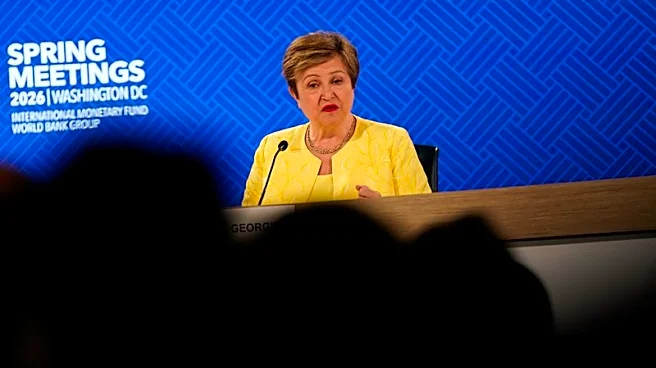
IMF Managing Director Kristalina Georgieva on Friday said the two institutions would meet this week to assess requests for help from member countries and coordinate the best response.
Many members also committed to staying agile and flexible in their macroeconomic policy responses and cooperation. They discussed "the potential for coordinated action" to promote food security and support market stability, while emphasizing the importance of diversified fertilizer production to buffer the poorest from disruptions in food trade supply chains.
Bessent has streamlined the work of the G20 under U.S. leadership, halting a number of committees working on issues such as climate change and sustainability, while emphasizing a focusing on core macroeconomic issues.
A Treasury spokesman said Bessent was determined to return the G20 to "a more nimble, action-oriented group" and Washington looked forward to taking action alongside its G20 partners.
(Reporting by Andrea Shalal; Editing by Raju Gopalakrishnan)