



By Siddharth Cavale
NEW YORK, Oct 1 (Reuters) - Oil prices jumped on Thursday and settled up more than $4 a barrel, after a report said the US was sending more troops and carriers to the Middle East and China suspended oil products exports, stoking fears that global fuel shortages could worsen.
The new front-month December Brent crude futures contract settled at $102.31 a barrel, up 4.37% or $4.28. US West Texas Intermediate crude futures finished at $92.87 a barrel, up 2.71%, or $2.45.
A Wall Street
Journal report said the US was sending a third aircraft carrier and up to 10,000 more troops to the Middle East as President Donald Trump weighed resuming strikes on Iran after the US midterm elections.
Trump told reporters at the White House before departing on a campaign trip that he was weighing his options on Iran.
"Now I have to make a decision. They'll either sign a very fair deal, or they won't exist any longer," he said.
The comments, coupled with China's suspension of fuel exports, contributed to a volatile trading session. Oil prices fell 1% early but reversed course after Reuters reported that Chinese refiners had suspended exports of oil products beyond Hong Kong and Macau until further notice, citing four people familiar with the matter.
"The Chinese export ban suggests concerns about domestic product availability," UBS analyst Giovanni Staunovo said, adding that it remains to be seen whether the measures will support higher crude imports after recent drawdowns in Chinese crude and fuel stocks.
While crude supplies continue to reach the market, diesel and other refined products remain in short supply following damage to refinery infrastructure in the Gulf and Russia.
Global diesel inventories are already tight after Russia, a top exporter of the fuel, banned exports through October. Industry participants said shortages were unlikely to end before next year.
President Vladimir Putin said Russia will not supply diesel to global energy markets until sanctions against Moscow are lifted.
"The impact of China’s fuel export restrictions will not be as large as the loss of Russian and Middle Eastern refined oil product exports. However, it is another source of stress on global fuel markets when supply is severely constrained," said Hamad Hussain, senior climate and commodities economist at Capital Economics.
To mitigate pressure, the European Union's energy taskforce will meet on Friday to discuss a potential release of diesel stockpiles, two EU diplomats told Reuters on Thursday.
Sources told Reuters the Trump administration told Germany and France to draw down emergency diesel inventories or face a potential US diesel export ban.
DIPLOMACY FOCUS
In the meantime, diplomatic efforts to end the Iran war have been relatively subdued of late as attacks continue.
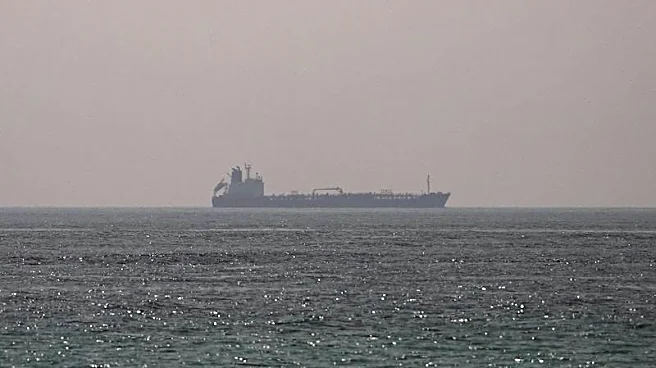
On Tuesday, three Liberian-flagged oil tankers were struck by unknown projectiles when transiting the Strait of Hormuz, shipping intelligence service Marisks said in a Wednesday report.
Iran is preparing a broader and more forceful response if the US resumes large-scale military attacks, sources said, while continuing a diplomatic push that Iranian officials privately see as unlikely to succeed.
Lingering disruptions to global oil and fuel markets spurred analysts to raise their average Brent crude oil price forecasts for 2026 to $89.05 a barrel, although they noted signs of a gradual improvement in exports from the Middle East.
Saudi Arabia resumed oil tanker loadings from Yanbu on Tuesday, after restarting operations on its East-West Pipeline.
Meanwhile, Goldman Sachs estimated Gulf oil exports, including "dark exports" involving ships operating with their location transponders turned off, have recovered to 23.3 million barrels per day over the last week, in line with their 2025 average, as exports doubled in September, it said in a note on Tuesday.
(Reporting by Siddharh Cavale in New York, Robert Harvey, Shadia Nasralla in London, Sethuraman N R in New Delhi, Anushree Mukherjee in Bangalore and Yuka Obayashi in Tokyo. Editing by Christopher Cushing, Tom Hogue, Mark Potter, Nick Zieminski, David Gaffen and David Gregorio)