
By Laura Garcia
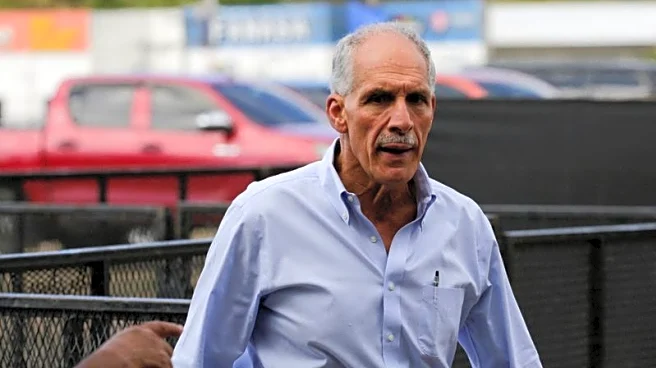
TEGUCIGALPA, Jan 27 (Reuters) - Conservative politician and businessman Nasry Asfura will be sworn in as president of Honduras on Tuesday after a closely fought election marred by allegations
of fraud and political tension fueled by U.S. interference.
Asfura, 67, will serve a four-year term until January 2030. He has pledged to fight poverty, corruption and crime, and to revive the economy in one of the poorest countries in the Western Hemisphere.
He also pledged to restore diplomatic relations with Taiwan, which were severed by outgoing President Xiomara Castro in 2023. Such a move would be a major diplomatic setback for China in Central America.
A former mayor of Tegucigalpa from 2014 to 2022, Asfura will be inaugurated after months of electoral chaos in Honduras, fueled by a last-minute endorsement from U.S. President Donald Trump, a deeply troubled vote-counting process and a razor-thin victory of 26,000 votes over centrist candidate Salvador Nasralla.
Washington said in recent days it aimed to begin negotiations "as soon as possible" on a bilateral trade agreement with Honduras.
Still, Asfura enters office facing a delicate balancing act. While his party holds a simple majority, he will need the support of rival parties - including those that alleged voter fraud - in order to ratify international treaties or amend the constitution.
Asfura campaigned on a message of "work and more work," promising to attract investment, create jobs and impose austerity in government spending. He is expected to emphasize that agenda in his inaugural address on Tuesday.
"In Honduras, everything is urgent," said political analyst Luis Leon in Tegucigalpa. "But two issues will determine whether people feel the government is responding: public health and investment to generate jobs."
Last year, government health workers went on strike for nearly a month to protest overdue pay as well as shortages of medicines and supplies.
A recent report by the World Bank, the Pan American Health Organization and journal the Lancet said Honduras' public health system has deep structural weaknesses that leave it highly vulnerable to health crises.
Outgoing leftist Castro leaves office after expanding public investment and social spending. Her administration oversaw moderate economic growth and declines in poverty and inequality, though both remain high.
The homicide rate fell to its lowest level in recent history, but human-rights groups criticized Castro for maintaining a prolonged state of emergency in parts of the country to combat gang violence and for expanding the role of the military.
(Reporting by Laura Garcia in Tegucigalpa and Diego Ore in Mexico City; Writing by Kylie Madry; Editing by Emily Green and Matthew Lewis)