



March 20 (Reuters) - Concerns over energy prices and inflation are set to shape the week ahead, as war rages in the Middle East, energy chiefs gather and the first business sentiment readings since the start of the conflict are on the agenda.
Here's all you need to know about the coming week in financial markets by Dhara Ranasinghe, Alun John and Karin Strohecker in London, Rocky Swift in Tokyo and Lewis Krauskopf in New York.
1/A MONTH OF WAR
The Iran war is entering its fourth week with no sign of
imminent de-escalation. Markets have been febrile over concerns the conflict could destroy more energy and business infrastructure in the region, while Iran has effectively closed the Strait of Hormuz, an artery for energy transport.
Bets have risen in the markets that central banks, faced with flares in inflation and volatility, will have to hike interest rates, at least in Europe, or, in the case of the U.S. Federal Reserve, have no more scope to lower lending benchmarks.
Even previously resilient stock markets have begun to wobble, as traders shift baseline assumptions of economic growth and inflation.
Shuttle diplomacy will continue, with Gulf states expected to continue diplomatic coordination through ministerial‑level contacts while G7 foreign ministers meet in Paris on Thursday.
2/HIGH ENERGY
How the global energy sector deals with the impact of the Middle East conflict will become apparent when the industry's leaders kick off CERAWeek in Houston, Texas, on Monday.
CEOs of Saudi Aramco, Shell and Chevron are among the many high-profile executives set to speak at the annual conference that runs until Friday. U.S. Energy Secretary Chris Wright and other energy officials from Europe and Latin America are also on the agenda.
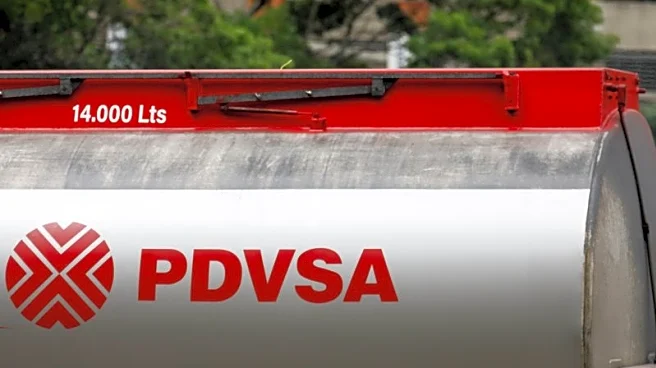
But the Middle East is not the only focus: Washington on Wednesday broadly authorised U.S. companies to do business with state-oil company PDVSA in Venezuela, home to the world's largest proven oil reserves. Opposition leader Maria Corina Machado will attend the conference.
Energy has been the best-performing S&P 500 sector since the war started.
3/THE S WORD
Flash business activity data for March released on Tuesday will give a first reading of how the war has hit corporate sentiment as markets fear the risk of stagflation has grown.
Most of the impact of higher energy costs, both direct and indirect, has yet to be felt, but PMI survey numbers will provide an early impression and offer a comparison between the impact on different parts of the world.
Investors consider Asia and Europe are much more exposed to higher energy costs than the U.S., though the effects will be global. Business activity picked up in most economies in February and the danger is the war has caused a significant reversal.
Readings on input costs will be closely monitored. March data has already showed an increase in Europe and the U.S.
The Organisation for Economic Co‑operation and Development will publish its interim economic outlook on Thursday.
4/JAPAN INFLATION
Tuesday brings a new print of the Japanese inflation data that has determined the central bank's tightening cycle - and has been thrown off course by the Middle East crisis.
The previous reading showed annual core consumer inflation fell to a two-year low of 2% in January, matching the Bank of Japan's target.
It likely declined further to 1.7% in February, according to a Reuters poll of economists, but that data will not reflect the surge in energy costs from the war in Iran that has paralysed the oil shipments on which Japan depends.
As it kept policy unchanged on Thursday, the BOJ struck a hawkish tone, warning about the impact of imported energy inflation on consumers.
Japan's currency is already suffering as the yen wallows near a 20-month low on mounting concerns over the nation's terms of trade.
5/VOTING, THIS WAY
Denmark, in focus as U.S. President Donald Trump's foreign policy forays resonate globally, holds an election on Tuesday.
Prime Minister Mette Frederiksen, seeking a third term, hopes to capitalise on strong support for her defiant stance against U.S. pressure over Greenland.
The vote could be a barometer of Greenlanders' appetite for independence. The cost of living, a dominant theme in elections this year, is also a major concern for Danes.
Italy meanwhile holds a March 22-23 referendum on a highly contested government plan to reform the judiciary. Supporters hope it will modernise the legal system. Opponents reckon it will make it easier for the state to control prosecutors.
Tensions in the ruling coalition could surface if Italians vote "no". Italy's leader Giorgia Meloni is taking no chances, joining an irreverent podcast hosted by a popular rapper to reach younger voters to try to secure a "yes" vote.
(Graphics by Prinz Magtulis, compiled by Karin Strohecker, editing by Amanda Cooper and Barbara Lewis)