




June 15 (Reuters) - A look at the day ahead in European and global markets from Wayne Cole.
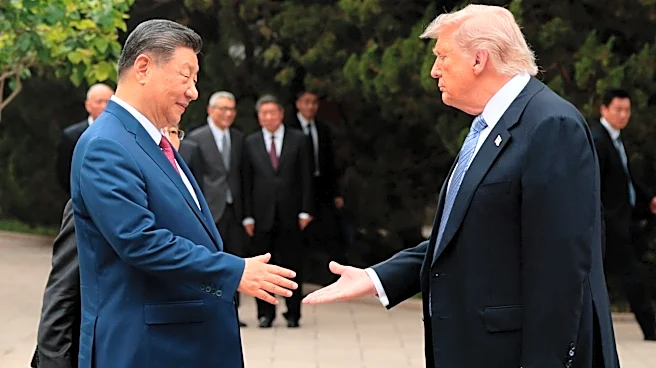
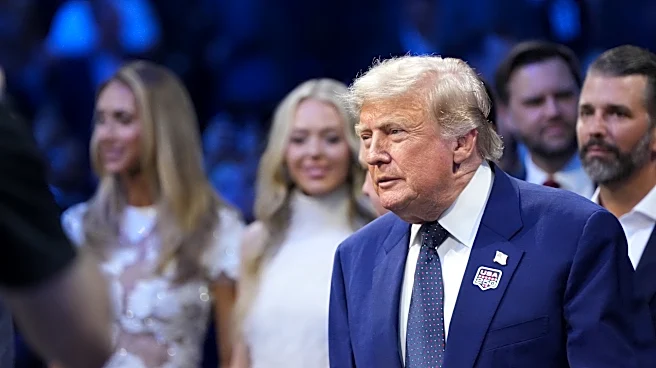
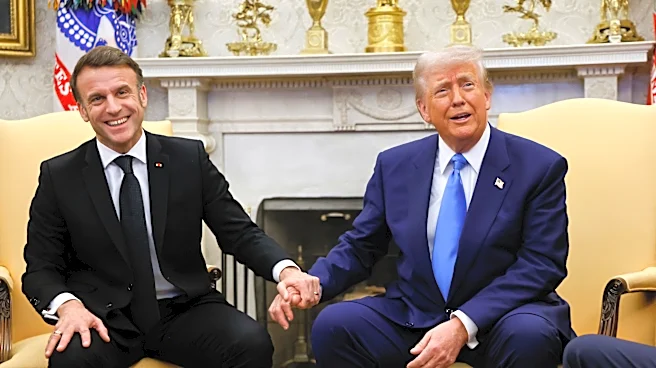
Markets had suspected President Trump wanted to wrap up the war for his birthday, and so it happened. U.S. and Iranian officials said on Sunday they had agreed on a framework to end their war, halt the U.S. blockade of Iran and reopen the Strait of Hormuz, but left the thorny fate of Iran's nuclear program to further negotiations.
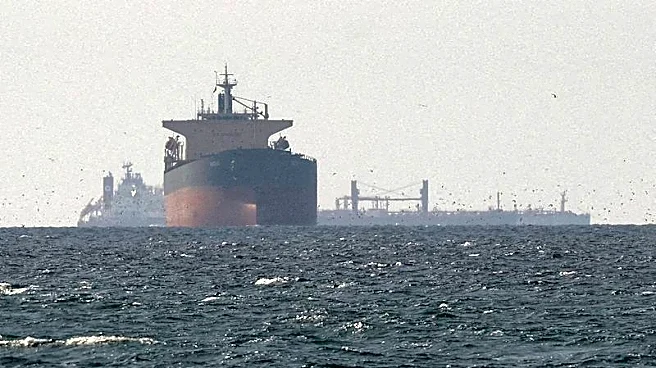
The strait is supposed to open fully on Friday when the initial deal is due to be
signed. Yet its status was not entirely clear with Trump saying the strait would be toll-free, while Tehran said it would control the vital waterway along with Oman.
Any toll would undermine the freedom of the seas principle of international law, which is essential to global supply chains and the basis for the entire trading system. If Iran can control the strait, who's to say the Strait of Malacca, the Bab el-Mandeb, the Taiwan Strait, the English Channel or even the Strait of Gibraltar might not also be tolled at some point.
It is also not clear whether shipowners will risk their vessels in the strait without protection, or how much insurance might cost. Whether or when transits return to the daily average of 138 seen before the war is an open question. As is the state of oil and liquefied natural gas facilities that have been damaged.
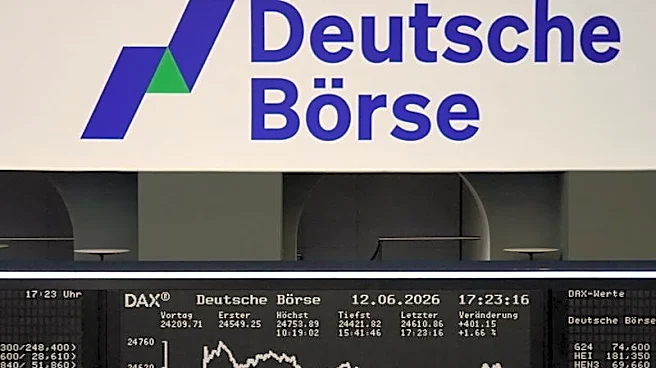
For now, the progress was enough to spark a broad risk-on rally with U.S. and European share futures all up 1% or more. Japanese and South Korean shares jumped more than 5% as a 5% drop in Brent offered relief to the net energy importers.
If sustained, the drop in oil would reduce the risk of inflation and thus the need to hike interest rates. Ten-year Treasury yields fell 6 basis points to a one-month low and Fed fund futures rallied, with 8 basis points of tightening removed for next year.
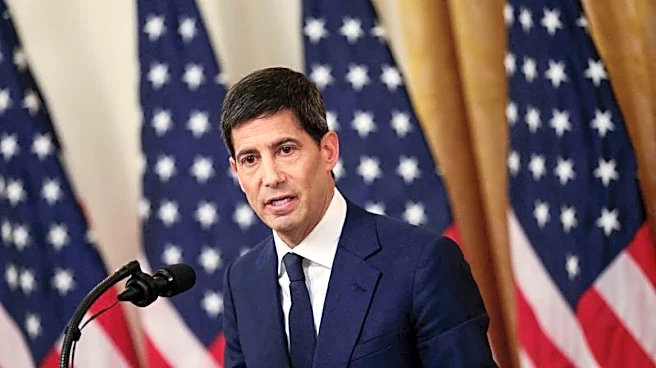
Cheaper oil might also strengthen the position of the doves on the Fed board, presumably including its Chair Kevin Warsh, who want to keep the easing bias in place. Dropping the bias and shifting to neutral is still a real risk at their meeting this week, going by comments from many of the FOMC members.
Central banks are also due to meet in the UK, Japan, Australia, Switzerland, Sweden, Norway and Russia this week, with Japan considered the one likely to lift rates this time.
The Russian meeting on Friday will be closely watched as Governor Elvira Nabiullina has not been seen in public for a couple of weeks, sparking speculation on her future. Analysts credit Nabiullina with keeping the Russian economy afloat through the Ukraine war and her absence would test market faith in the system.
Key developments that could influence markets on Monday:
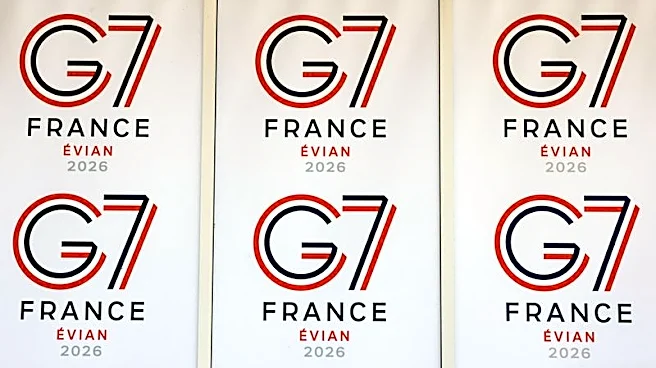
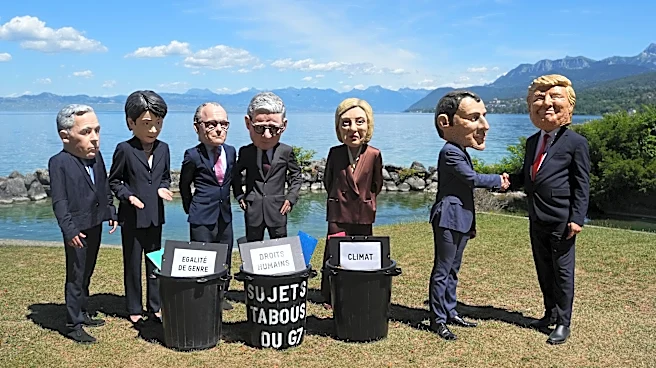
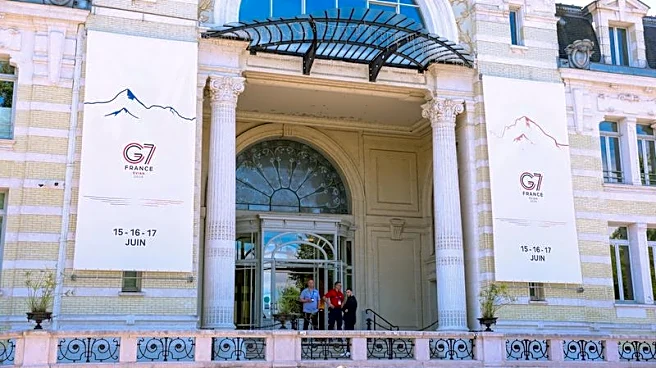
- G7 summit starts in Evian-les-Bains, France
- Pre-recorded keynote speech by ECB President Christine Lagarde. Appearance by ECB board member Piero Cipollone
- EU trade, industrial output for April
- US industrial output for May, Empire Manufacturing survey for June
(Editing by Kate Mayberry)