

By Shashwat Chauhan
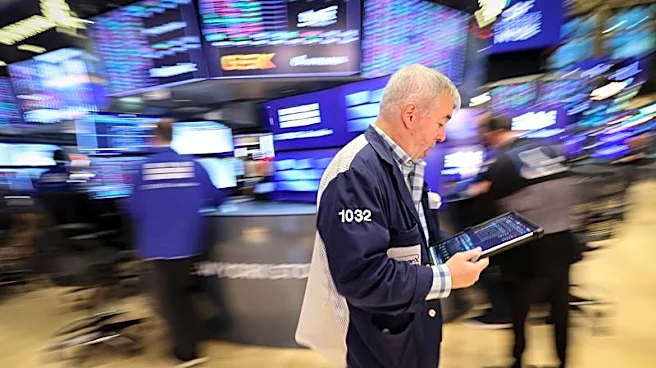
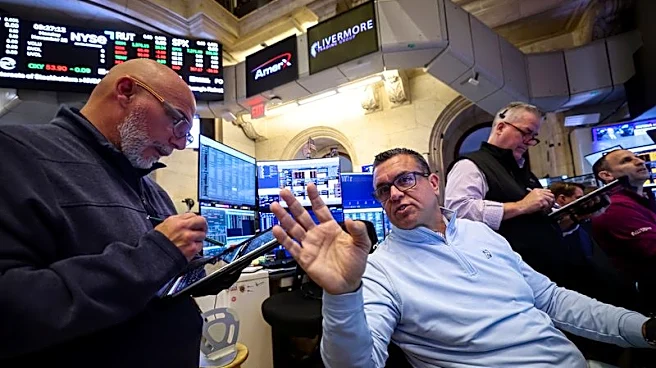
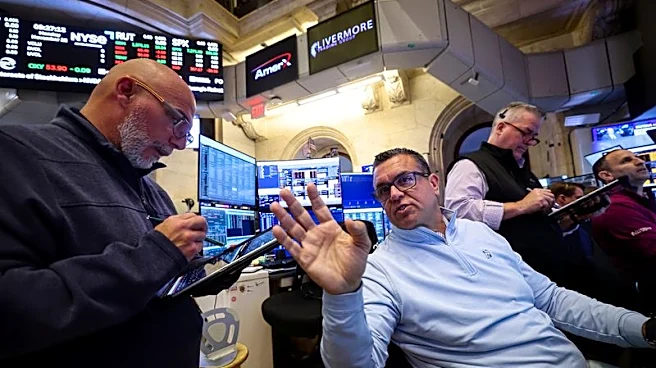
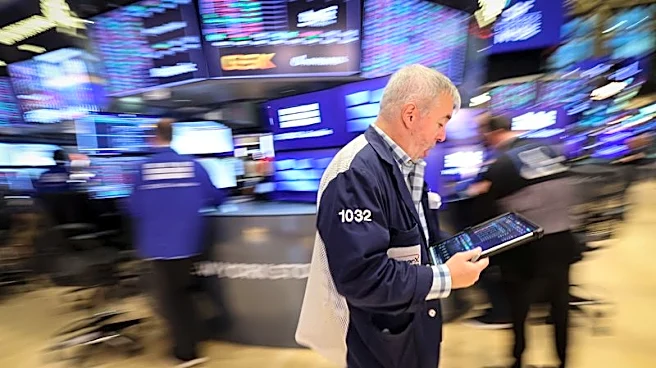
Nov 25 (Reuters) - AI-linked stocks plunged early on Wednesday but staged an afternoon comeback, the latest autumn clash pitting investor concern about rising costs and forbidding debt dynamics against strong buying interest given the steep decline in prices.
AI lab Anthropic traded as low as $73.85 shortly after the open, putting it 11% below its initial offering price last week, before it rallied to close 1% higher at $82.19. Alphabet dropped 4.7% and hit a 52-week low before closing
the gap to end down 2.1%. Chip giant Broadcom, one of the leaders of an epic midyear semiconductor rally, dropped 5.8% before ending flat.
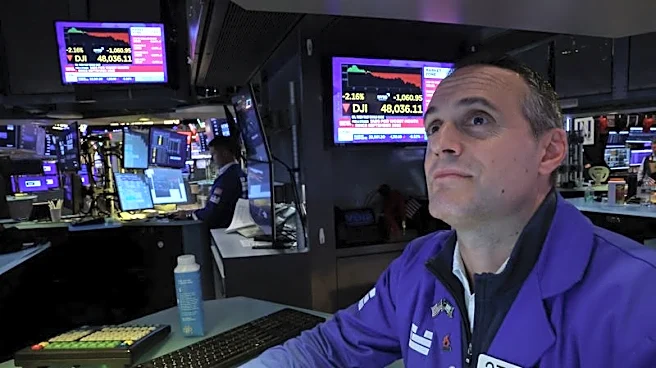
The Nasdaq Composite ended down 0.6% after early trading off as much as 4.6%. The Nasdaq-100 had a similar trajectory, closing down 0.6% on the day after briefly flirting with a decline of 20% from last month's high.
Despite the rebound, the declines were the second straight daily drop in tech and reflected the unwind of earlier optimism in the AI sector, driven in part by Democratic wins in US midterm elections that promise greater regulation and a slower, costlier AI buildout. Sentiment was further impaired on Wednesday by the Trump administration's proposed new tariffs on imports from 14 trading partners and data showing US inflation increased further in October.
But the selling, which began soon after the Nasdaq Composite's record high on October 6 and increased markedly in the second half of November, also underscored gathering concern about the financial underpinnings of an infrastructure expansion that has increasingly been financed by large sales of debt — a practice that tends to make markets more fragile and vulnerable to reversal.
Overnight in Tokyo, OpenAI shareholder SoftBank fell 14%, underscoring fears that ChatGPT maker OpenAI may face increasing resistance as it seeks to raise money. SoftBank, also a major investor in chip firm Arm, is down more than 40% for the year.
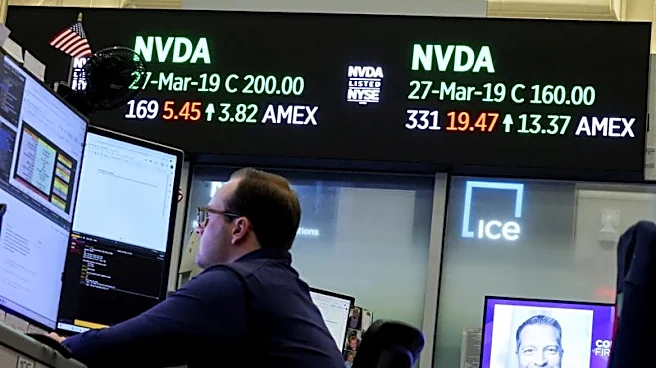
Nvidia, a major OpenAI partner in data centers and other aspects of the AI ecosystem, dropped 8.5% to a fresh low before ending 3.9% lower. The so-called neocloud firms that back AI data center capacity were under renewed attack, reflecting in part concern about their capacity to raise funds to support ambitious building plans.
"It seems that these companies are trying to one-up each other on the amount of money that they're spending, but you have to show that it's worth it, and that's where Wall Street is saying, 'I don't know'," said Todd Schoenberger, chief investment officer at CrossCheck Management.
HEADING INTO BEAR TERRITORY
The Nasdaq-100 briefly fell 20% below its October 6 record closing high. The worries about the underpinnings of the AI boom were so significant that even firms reporting strong results were caught in the downdraft, reflecting in part their large stock-price gains earlier in the year. Dell Technologies fell 5.7% early on Wednesday despite the server maker raising its annual revenue and profit forecasts for the third time this year and approving an additional $25 billion share buyback. Dell stock recovered to rise 0.6% and has more than doubled for the year.
Rival AI server maker HPE tumbled 16.3% on Tuesday after raising its full-year revenue outlook. Shares of Ambarella, valued at $2 billion, tumbled 20.9% after the AI semiconductor firm forecast fourth-quarter revenue below analysts' estimates.
The Philadelphia chips index slid 7% to hit a more than seven-month low before closing 0.6% lower. The index has plunged more than 43% from its record high in June. Shares of AI hyperscalers were broadly lower, with Oracle down 5% and Amazon.com off 3%.
Nvidia-backed neocloud firms CoreWeave and Nebius Group fell more than 10% each, before CoreWeave closed flat and Nebius down 2.7%, while IREN, Applied Digital and Core Scientific were mostly narrowly mixed after early declines.
Neocloud providers, which rent out specialized AI computing capacity, have been under pressure since October over concerns about the debt funding their rapid expansion.
The yield on CoreWeave's bonds due 2031 rose to almost 18% as prices fell nearly 2 cents on the dollar to near record lows, Tradeweb data showed.
The cost of insurance against tech companies defaulting on debts has jumped sharply, with five-year CDS spreads at Oracle, Alphabet, SpaceX and CoreWeave hitting record levels.
(Reporting by Shashwat Chauhan in Bengaluru; Additional reporting by Darshan Kumar; Editing by Leroy Leo, Colin Barr and Nia Williams)