



MADRID, Jan 12 (Reuters) - Spain's leftist government will further tighten rental rules and restrict medium-term leases to contain soaring rents and prevent price abuse under a decree to be approved in the coming weeks, Prime Minister Pedro Sanchez said on Monday.
One of the world's most-visited countries by tourists, Spain suffers from a severe housing shortage exacerbated by a tourism boom, and has faced mass protests undefined in the past years over soaring housing costs.
"We will continue intervening
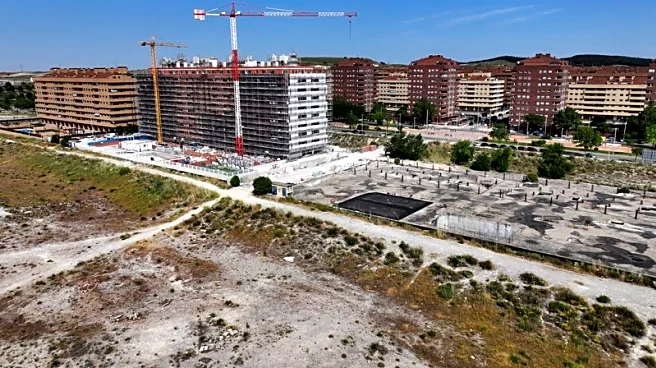
in the rental market," Sanchez said at an event marking the start of works at Spain's largest public housing project.
The long-delayed Campamento project will transform a former military site in western Madrid into 10,700 state-owned, affordable homes.
Sanchez said the decree would include a 100% personal income tax rebate for landlords who renew leases without raising rents.
ROOM RENT LIMITS AND RENT CONTROLS
It would also set a limit for combined room rents at the level of a full apartment to rein in room rentals and apply rent controls in designated high-pressure areas.
In addition, the government would also tighten conditions for seasonal rental contracts and introduce sanctions for their use as a substitute for long-term leases, Sanchez said.
Homeowners' associations and experts say that the current regulations favour short-term leases over long-term rentals.
However, most housing measures must be enforced by the regions, many of which are run by the opposition that may be reluctant to comply.
Still, wealthy northeastern Catalonia has adopted ceilings for seasonal and room rents, and several cities, including Madrid, have curbed tourist apartment rentals.
Average Spanish rents have doubled over the past decade, far outpacing salary growth.
According to the Bank of Spain, there is a housing deficit of 500,000 homes, and official data show that only about 120,000 new homes are built in Spain every year - a sixth of the levels before the 2008 financial crisis.
(Reporting by Jesus Calero and Corina Pons Editing by Andrei Khalip and Tomasz Janowski)