
By Naveen Thukral and Lucas Liew
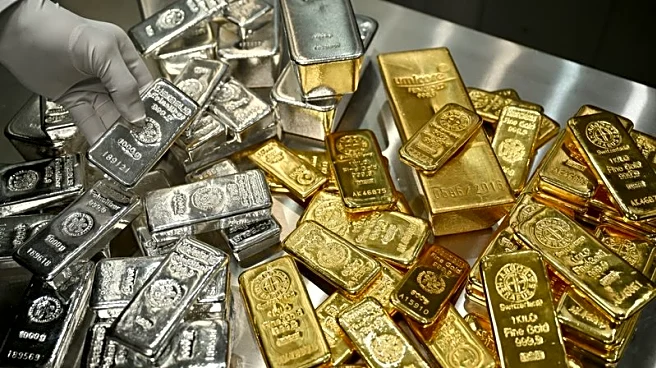
SINGAPORE, Dec 31 (Reuters) - Precious metals were the standout performers among commodities this year, with silver outperforming most major equity indexes and currencies,
while gold hit record highs on economic and geopolitical risks.
Industrial metals also made strong gains in 2025, with copper hitting all-time highs, though cocoa, sugar and crude oil were among the biggest losers.
Looking ahead, precious metals have room for greater gains in 2026 as interest rates are expected to fall, but agricultural and energy products offer little cheer as growing supplies and tepid demand curb any upside potential, analysts say.
"Demand for metals is looking solid from both an industrial and retail perspective," said Tim Waterer, chief market analyst at KCM Trade, a global brokerage.
"The key fundamental drivers of central bank demand and investor positioning ahead of expected lower U.S. rates in 2026 remain intact."
Silver gained 161% in 2025, breaking the $80 per ounce mark for the first time, while gold climbed 66%.
Silver has drawn additional support from its designation as a critical U.S. mineral, ongoing supply constraints and low inventories, while sustained central bank buying has supported gold.
Platinum and palladium are also on track for strong annual gains.
"We continue to see upside in precious metals as a lot of the risks from this year remain going into 2026," said BNP Paribas commodities analyst Jason Ying.
EYES ON OPEC+ IN OIL MARKET
Oil benchmarks Brent crude and U.S. West Texas Intermediate crude have fallen around 15% this year, with Brent heading for its longest-ever stretch of annual losses, weighed down by rising supplies.
Energy markets have recorded losses despite supply disruptions arising from Ukraine's attacks on Russian energy infrastructure and U.S. measures targeting Venezuelan oil.
The Organization of the Petroleum Exporting Countries and its allies have paused oil output increases for the first quarter of 2026 after releasing some 2.9 million barrels per day into the market since April 2025.
"If the price really has a substantial fall, I would imagine you will see some cuts (from OPEC+)," said Martijn Rats, Morgan Stanley's global oil strategist. "If today's price simply prevails, after the pause in Q1, they'll probably continue to unwind these cuts."
RECORD COPPER PRICES AND CHINESE DEMAND
Copper on the London Metal Exchange climbed to an all-time high of $12,960 this week, marking a near-44% gain in 2025, with a weaker U.S. dollar, growing demand from artificial intelligence and renewable energy and mine output disruptions fuelling the rally.
Tin made similar gains thanks to supply disruptions in Myanmar and tightening flows from Indonesia, while aluminium rose 17%, underpinned by China's cap on smelting capacity and a growth in demand from energy transition technologies.
Iron ore traded on the Dalian Commodity Exchange has been supported by surprisingly resilient demand despite falling crude steel output from China and a boost from Beijing's relaxation of homebuying in big cities. But coking coal, a steelmaking ingredient, is in the red this year.
BEATEN DOWN AGRICULTURAL MARKETS
Cocoa - the biggest loser of 2025 - tumbled 48% this year, with a sharp rise a year earlier leading to both a decline in demand for the chocolate ingredient and a boost in supplies.
Cocoa was one of the strongest performing commodities in 2024 with New York prices rising 178%, lifted primarily by poor crops in West Africa, a key producing region.
Raw sugar and robusta coffee have also come under pressure, with each surrendering about a fifth of their value in 2025.
While Chicago soybeans are poised to end 2025 on a positive note, China's resumption of imports from the U.S. following a thaw in relations has erased most of the losses incurred earlier this year when Beijing–Washington trade tensions were higher.
Wheat and corn are set for a weaker finish as global supplies are ample.
Benchmark Malaysian palm oil is down 9% in 2025 on plentiful supplies but the market is likely to find support from Indonesian biodiesel mandates.
Rubber has given up 9% as improved weather in Thailand boosted supplies, though demand for tyres was dismal from the automobile industry.
(Reporting by Naveen Thukral, Florence Tan and Lucas Liew; Additional reporting by Ishaan Arora in Bengaluru, Nigel Hunt and Seher Dareen in London; Editing by Thomas Derpinghaus)