
April 23 (Reuters) - The White House on Thursday accused China of stealing U.S. artificial intelligence labs' intellectual property on an industrial scale in a memo that threatens to raise tensions ahead
of a summit between U.S. and Chinese leaders next month.
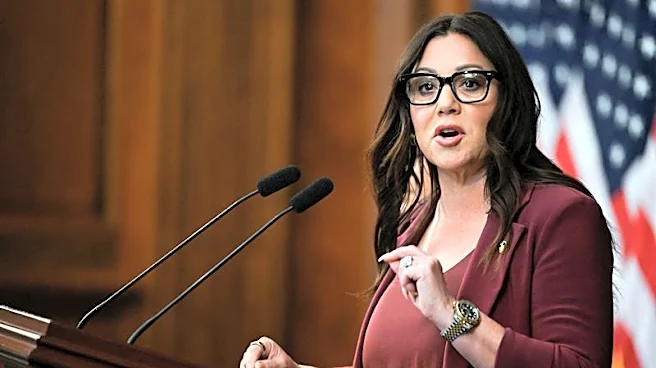
“The US government has information indicating that foreign entities, principally based in China, are engaged in deliberate, industrial-scale campaigns to distil US frontier AI systems,” Michael Kratsios, director of the White House Office of Science and Technology Policy, wrote in a memo shared on social media on Thursday and first reported by the Financial Times.
"Leveraging tens of thousands of proxy accounts to evade detection and using jailbreaking techniques to expose proprietary information, these coordinated campaigns systematically extract capabilities from American AI models, exploiting American expertise and innovation," he added.
The Chinese Embassy in Washington did not immediately respond to a request for comment.
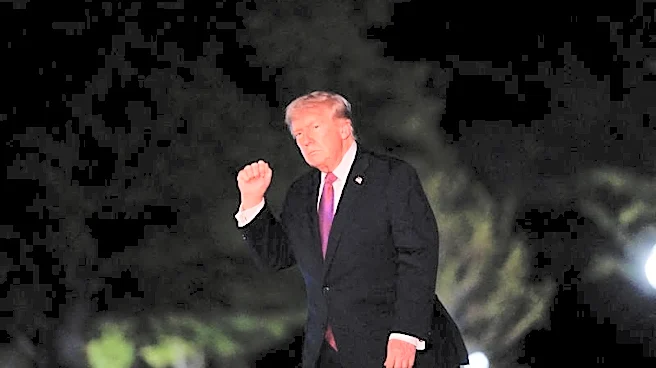
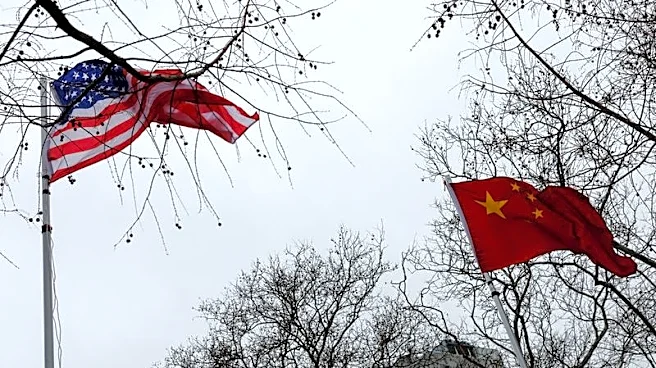
The memo, released just weeks before U.S. President Donald Trump is set to visit Chinese President Xi Jinping in Beijing, promises to raise tensions in a long-running tech war between the rival superpowers, which had been lowered by a detente brokered last October.
It also raises questions about whether Washington will allow Nvidia's powerful AI chips to be shipped to China. The Trump administration gave a green light to the sales in January, with conditions. On Wednesday, however, Commerce Secretary Howard Lutnick indicated that no shipments had yet been made.
Distillation is the process of training smaller AI models using the output of larger ones as part of an effort to lower the costs of training a powerful new AI tool.
The memo, addressed to government agencies, says the administration will share information with American AI companies about the distillation efforts, and "explore a range of measures to hold foreign actors accountable" for the campaigns.
(Reporting Alexandra Alper in Washington and Ruchika Khanna in Bengaluru; Editing by Matthew Lewis)