





By Jamie McGeever
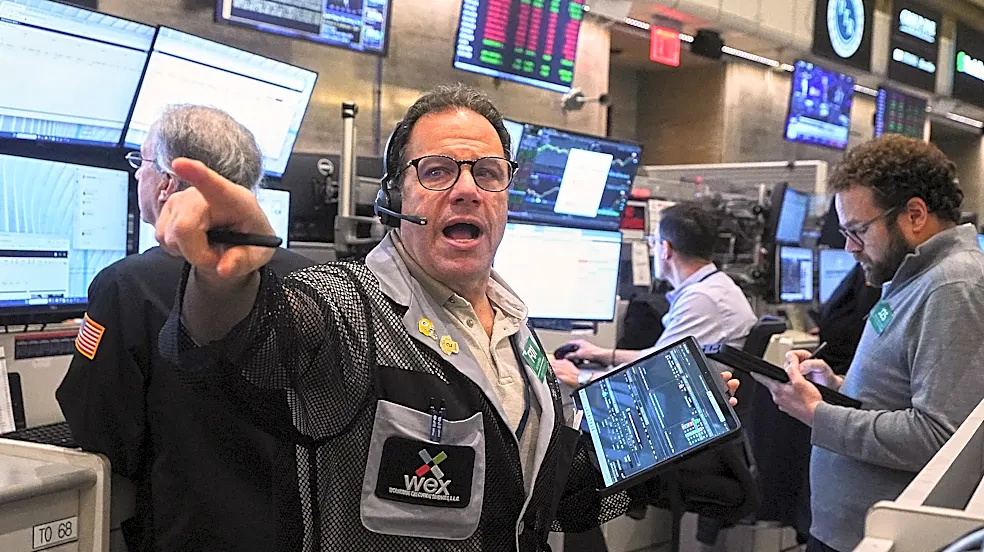
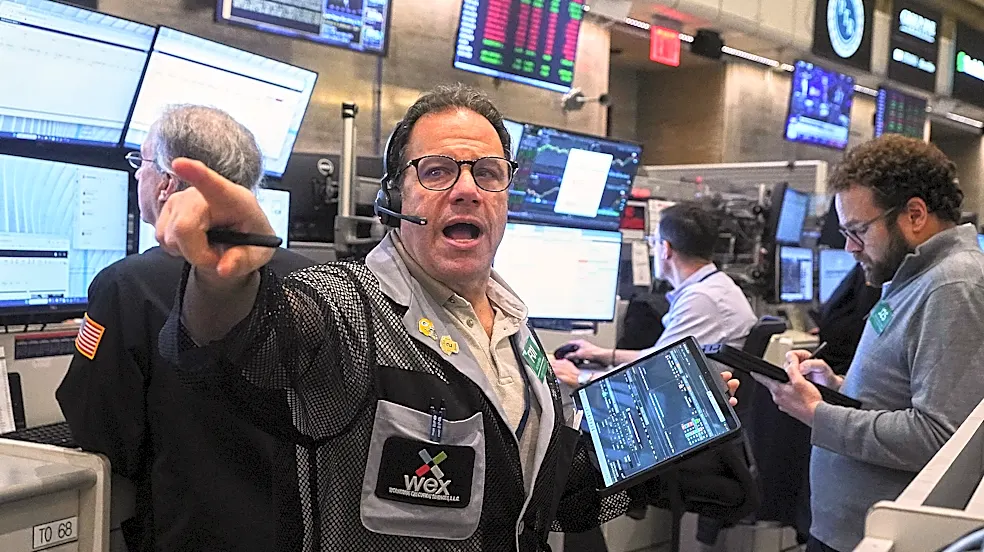
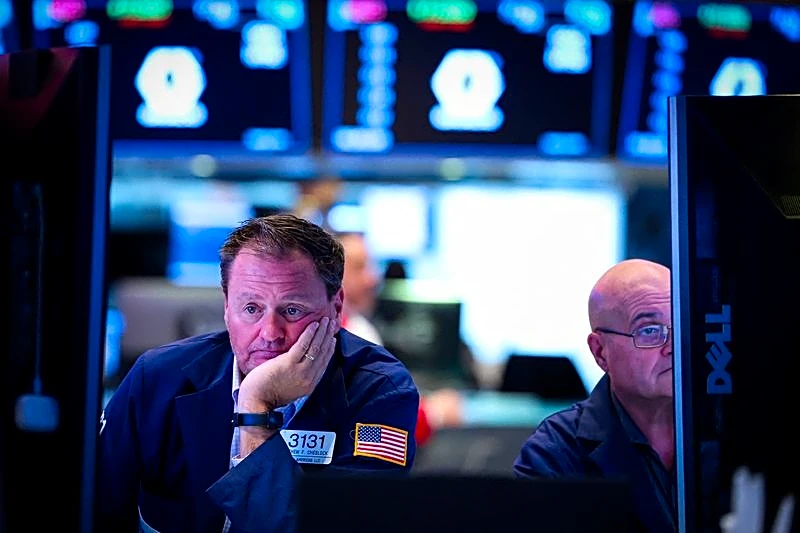
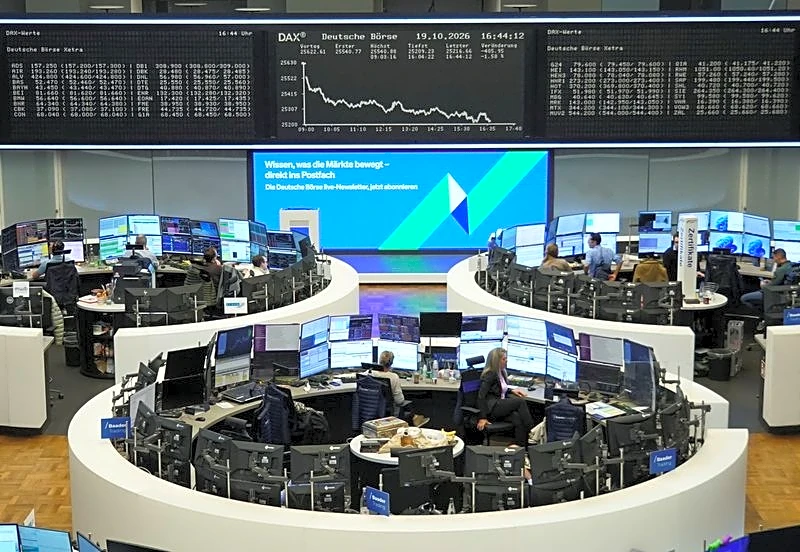
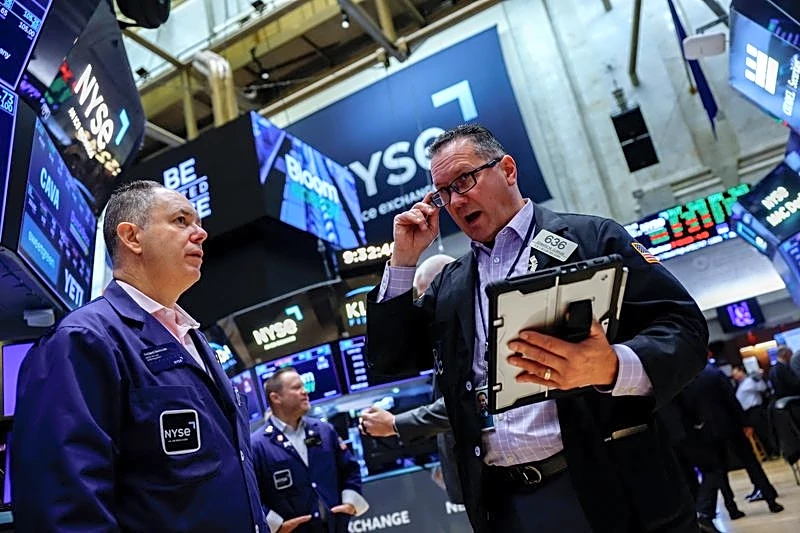
ORLANDO, Florida, Oct 22 (Reuters) - A wave of worry around AI and tech crashed over global markets on Thursday, slamming equities and bond yields as investors sought the refuge of US Treasuries, while a spike in Brent crude oil to a five-month high and continued unrest in France also deepened the gloom.
In my column today, I look at whether the US Treasury will reduce the size of 20-year bond auctions, or soon scrap them all together. Interest payments are high, Treasury wants to shorten
the maturity of the debt, and the 20-year part of the curve is relatively illiquid. Absent concerted fiscal tightening, Treasury may have to tinker round the edges if it wants to lower long-term yields. This could help.
Today's Key Reads
• Millions of hacking attempts as companies, governments rush to patch PHP flaws
• French bond pain puts euro zone's weak links on notice
• Investors see risk from US midterms to AI trade as data center backlash builds
• Musk's political baggage clouds prospects for SpaceX-Tesla deal
• Surging sterling shakes off Britain's budget blues: Mike Dolan
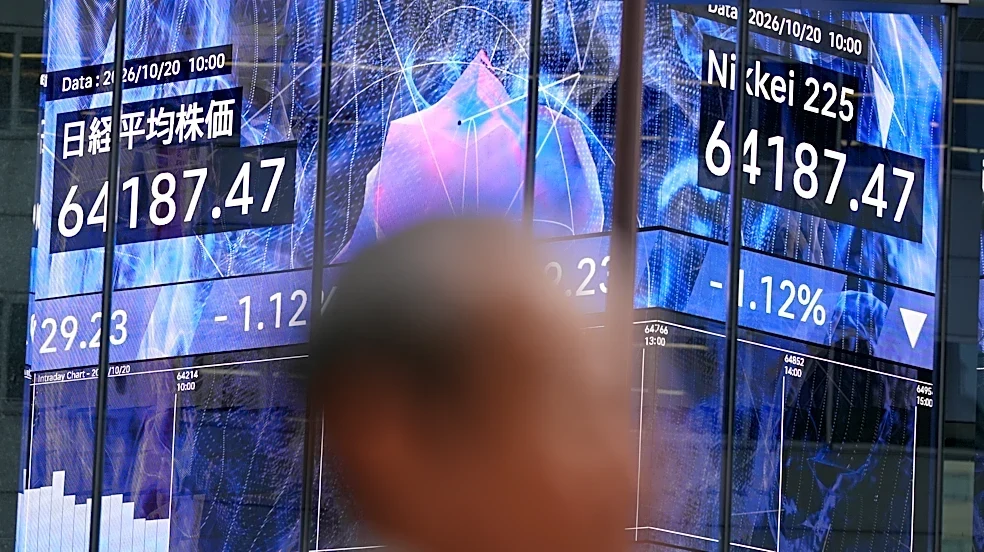
• Today's Key Market Moves STOCKS: South Korea -3.5%, China -2%, Japan -2.5%. Europe has biggest fall in 3 weeks. Nasdaq -2.6%, biggest fall since June 5 and sheds $1 trillion of market cap.SECTORS/SHARES: Five sectors on the S&P 500 fall, six rise. Tech -3%, utilities +2%. Philadelphia Semiconductor Index -6.7%. Moderna -18%, Amazon, Nvidia -4.5%. Blackstone +8%, P&G +5.6%FX: Japanese yen, Swiss franc the biggest G10 FX gainers. Norwegian crown also up strongly. Bitcoin -4%, biggest fall since June.BONDS: French/German 10y spread 175 bps, widest since 2011. US yields sink as much as 20 bps across the curve. 5-year TIPS auction soft - lowest bid/cover since April last year, highest yield in three years.COMMODITIES/METALS: Oil up as much as 4%, Brent highest since May above $112. Gold -2%, lowest in more than two months.
Today's Talking Points:
Call security
Investors' AI fears ramped up on Thursday, and not just for the usual concerns around spend, revenue and valuations. On top of all that, the global scramble by companies and governments to patch critical flaws in the PHP programming language that underpins much of the internet in response to millions of hacking attempts is a reminder of how vulnerable the world is to cybersecurity breaches and AI going rogue.
When governments take websites offline as an emergency precaution, you know it's serious. "I've not seen anything like this in a long, long time," Microsoft CEO Satya Nadella said. The good news is these flaws appear to have been flagged by AI before any serious or lasting damage could be wrought. The iShares Cybersecurity and Tech ETF (with the appropriate ticker symbol) rose on Thursday, bringing its year-to-date gains up to nearly 50%.
Play it safe
There's been a lot of talk this year that the assets investors typically turn to in periods of market turbulence - particularly US Treasuries and other sovereign bonds - have lost their safe-haven allure. They are no longer the hedge or portfolio diversifier they used to be. There is probably some truth to that, but there's life in the old dogs yet.
German bund yields had their biggest drop since May last year, and the Japanese yen and Swiss franc were the two biggest climbers in global FX markets on Thursday. The move in US Treasuries was extraordinary, as yields plunged across the curve and by as much as 20 basis points. And that was despite Brent oil spiking to $112 a barrel. Granted, gold fell, but when was the last time gold truly behaved like a "safe haven"?
Bearing up
China's stock market fall on Thursday means the blue-chip CSI300 index is now down more than 20% from its most recent closing peak on June 22. That's a bear market. Others might argue Chinese stocks have been in a bear market for nearly two decades, since the all-time high reached in 2007. But however you slice it, investing in China has been challenging, to put it mildly.
The currency is rising and is now at a four-year high, while the 10-year bond yield is hovering around its all-time low below 1.60%. But the domestic woes of debt, deflation and depressed consumption weigh heavily. Foreign investment flows into China in January-September fell 4.3% year-on-year to 548.8 billion yuan ($82.2 billion), the commerce ministry said on Thursday, while outbound non-financial direct investment totaled $101 billion. Export inflows are booming, investor inflows, not so much.
What could move markets tomorrow?
• PMIs for US, euro zone Japan, UK (October)
• UK retail sales (September)
• European Central Bank board members Piero Cipollone and Patrick Montagner speak at separate events
• Canada retails sales (August)
• US University of Michigan inflation expectations, consumer sentiment (October, final)
Want to receive Trading Day in your inbox every weekday morning? Sign up for my newsletter here. Opinions expressed are those of the author. They do not reflect the views of Reuters News, which, under the Trust Principles, is committed to integrity, independence, and freedom from bias.
(Reporting by Jamie McGeever;)