



By Indradip Ghosh
BENGALURU, Jan 23 (Reuters) - The outlook for euro zone growth, inflation and interest rates has remained broadly stable for 2026, as economists left their forecasts largely unchanged despite a tumultuous start to the year, a Reuters poll showed.
On Wednesday, U.S. President Donald Trump backed down from a threat to impose additional tariffs on eight European countries opposing his plans to seize Greenland, reducing immediate downside risks.
Nonetheless, Trump's threats and climbdown
happened much quicker than the time it normally takes for economists to adjust their forecasts.
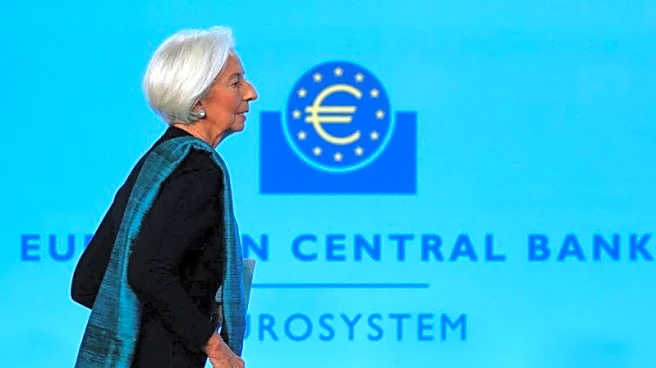
Inflation, hovering around the European Central Bank's 2% target, is expected to anchor monetary policy. The ECB is forecast to hold its deposit rate, also currently at 2%, for a fifth consecutive meeting on February 5, an outcome predicted by all 83 economists in a January 20-22 Reuters poll.
Around 85% of economists, 67 of 79, said rates would remain unchanged through 2026. That is up from around 75% in last month's survey, and two-thirds in November.
ECB policymakers are in no hurry to move again, according to accounts of their December meeting released on Thursday.
Asked what the Governing Council's next move would be, a majority of a smaller sample of 36 respondents said it would be to raise interest rates, not cut them again.
"Policy is at a very satisfactory level right now and there is no urgency to change anything unless we see either a significant weakening in economic activity or a pick-up in inflation," said Chris Scicluna, head of research at Daiwa Capital Markets Europe. He expects the next move to be a hike, but not until next year.
Inflation, currently at 1.9%, will average slightly below the 2% target through 2026 before accelerating back to the mark next year, poll medians showed.
The euro zone economy, which expanded 0.3% in the third quarter, will continue growing at around the same pace through 2026 with a slight pick-up in the second half.
It will grow 1.2% this year and 1.4% in 2027 after a 1.4% rise last year, an outlook broadly unchanged since August.
After barely expanding last year, Germany - the bloc's largest economy - will grow 1.0% this year and 1.5% in 2027, broadly unchanged from October's forecasts, partly driven by optimism around infrastructure spending plans.
Growth in France will be 1.0% this year and 1.1% in 2027, compared with 0.9% and 1.2% predicted three months ago.
(Other stories from the Reuters global economic poll)
(Reporting by Indradip Ghosh; Polling by Aman Kumar Soni and Jaiganesh Mahesh; Editing by Jacqueline Wong)