







By Dietrich Knauth
NEW YORK, June 17 (Reuters) - A federal judge sent Bayer's proposed $7.25 billion Roundup settlement back to state court on Wednesday, overruling objections from plaintiffs who had argued the state court had no power to implement a nationwide resolution of lawsuits that claim the company's Roundup weedkiller causes cancer.
U.S. District Judge Henry Edward Autrey in St. Louis sided with Bayer, concluding that the objecting plaintiffs did not have the power to transfer the case to federal
court because only the defendant in a case has that right.
The ruling is likely to bolster Bayer’s efforts to win approval of the sweeping settlement by restoring the case to the state court where the deal is being fast‑tracked and avoiding the risk that the settlement would be reviewed by a different federal judge who has already criticized the deal.
Bayer's Monsanto unit said the decision brings "much-needed clarity" to the legal proceedings and enables the state court to move forward with approving the class-action settlement.
“Monsanto remains confident that the class settlement, which is supported by plaintiffs’ counsel representing tens of thousands of potential class members, is fair to all parties and the objections have no merit,” the company said.
PLAINTIFFS APPEAL
The objecting plaintiffs filed a notice of appeal of Autrey’s decision on Wednesday. Their lawyers did not immediately respond to requests for comment.
Chris Seeger, an attorney representing plaintiffs who back the settlement, said the decision removes an obstacle to a deal that would be one of the largest class-action payouts in U.S. history.
"We move forward and will not stop until every Roundup victim who has waited far too long finally gets the justice they deserve," Seeger said.
Bayer is facing approximately 65,000 claims in U.S. state and federal courts from plaintiffs who have said they developed non-Hodgkin lymphoma and other forms of cancer after using Roundup at home or on the job.
The German drug-making and crop science company, which acquired Roundup when it purchased Monsanto in 2018, has said that decades of studies have shown Roundup's key ingredient glyphosate is safe and does not cause cancer.
The settlement, proposed in February, seeks to resolve nearly all the Roundup lawsuits through a new class action filed in Missouri state court. The objecting plaintiffs transferred the new class action to federal court on May 22, disrupting the fast-track schedule pursued by Bayer and plaintiffs' attorneys who support the settlement.
Judge Timothy Boyer in St. Louis granted preliminary approval in March and had been set to consider final approval of the deal in early July. Plaintiffs were given a June 4 deadline to decide whether they would opt out of the class-action settlement. Dozens of people have objected to the settlement, and attorneys who oppose the deal said that they would file more objections before the settlement approval hearing.
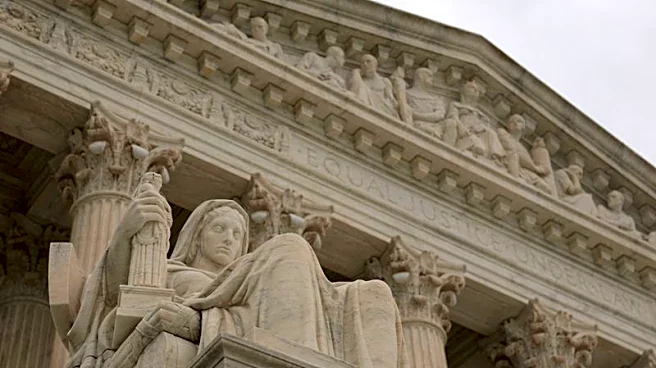
In a separate case, the U.S. Supreme Court is weighing Bayer's argument that federal law governing pesticides should prevent plaintiffs from suing under state laws that require manufacturers to warn consumers of risks associated with their products. A Supreme Court ruling in Bayer's favor could undercut many of the lawsuits currently pending against the company.
Bayer's American depositary receipts rose 56 cents, or 5.4%, to $10.94 in Wednesday trading in New York.
(Reporting by Dietrich Knauth, Editing by Alexia Garamfalvi, Rod Nickel)