






By Saqib Iqbal Ahmed and Harry Robertson
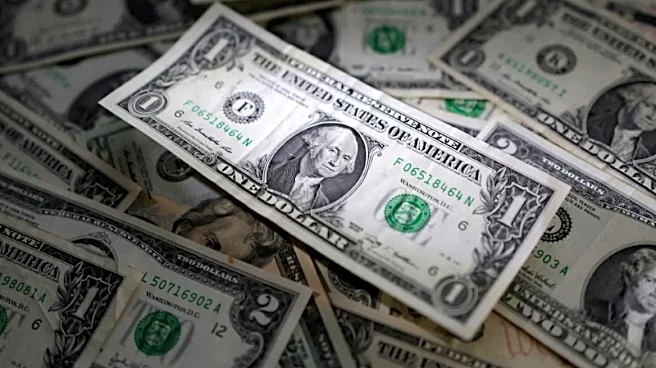
NEW YORK, Sept 14 (Reuters) - The U.S. dollar rose across the board on Monday, as the ongoing conflict in the Middle East pushed up oil prices and sent investors towards the safe-haven currency, and as investors braced for the Federal Reserve's first interest-rate hike in more than two years.
Warnings from leaders of the biggest AI companies about the possible dangers of AI hurt overall risk sentiment, supporting the dollar.
The U.S. dollar index, which tracks
the currency against six major peers, was last up 0.3% at 99.41, after earlier touching 99.735, its highest since September 2.
The euro fell to a one-month low of $1.153 and was last down 0.2%, while the British pound fell 0.2% to $1.3512.
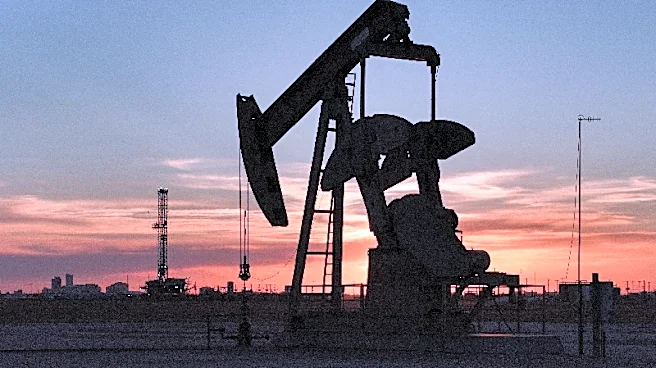
A jump in oil prices unnerved investors and sent global bond yields back towards multi-year highs. Brent crude rose as much as 5% to $109.8 a barrel before paring gains to trade at $105.61.
Oil has been bolstered in recent days by Houthi strikes on the world's biggest exporter Saudi Arabia, which came after the kingdom shut down its main pipeline for bypassing the Strait of Hormuz. That pipeline leads to the Red Sea, which is now being threatened by the Iran-backed Houthi group.
Diplomatic efforts to end the U.S.-Israeli war with Iran appeared to falter, with a meeting between Tehran and other Gulf governments postponed. Attacks on ships in the region compounded supply worries.
"Gulf developments remain concerning, and some AI-related headlines are further weighing on equities — an environment where the dollar should remain supported," said Francesco Pesole, currency strategist at ING.
CENTRAL BANKS UNDER PRESSURE
Markets are increasingly convinced that the U.S. Fed will hike interest rates on Wednesday in response to the jump in energy prices that has pushed diesel to record highs and helped lift underlying inflation by more than expected in August.
Money markets on Monday pointed to a roughly 90% chance of a rate hike, up from around 60% a week ago, according to CME Group's FedWatch tool.
"The U.S. dollar has strengthened modestly at the start of this week, encouraged by building expectations that the Fed will begin tightening monetary policy," said Lee Hardman, senior currency analyst at MUFG.
Still, the dollar's recent firmness was not without risks.
"An unchanged decision from the Fed would be a shock for markets and a clear negative for the USD," Scotiabank analysts led by Shaun Osborne said, in a note. "But a 'dovish' hike which does not obviously commit to additional moves would also likely weigh on the USD."
The Japanese yen was notably weak, giving up some of its recent sharp gains that have been driven by rising bets on Bank of Japan rate hikes.
The U.S. dollar rose 0.5% to 154.355 yen, up from last week's almost seven-month low below 153.
Rising bets on rate hikes around the world have pushed bond yields to multi-year or multi-decade highs in the U.S., Europe and Japan. So far the effect on the FX market has been relatively limited, as yields have largely moved in tandem.
Markets are all but certain the Bank of Japan will raise rates on Friday. Market sentiment on the yen is starting to shift, with speculators turning to a net long position on the Japanese currency for the first time since February.
The Bank of England is expected to keep borrowing costs on hold on Thursday, but traders now expect a rate increase later this year and more in 2027 after the European Central Bank hiked last week.
Cryptocurrency bitcoin rose 2% to $79,152.23.
(Reporting by Saqib Ahmed in New York, Harry Robertson in London and Ankur Banerjee in Singapore; Editing by Edwina Gibbs, Andrew Cawthorne, Jan Harvey and David Gaffen)