





By Stephanie Kelly
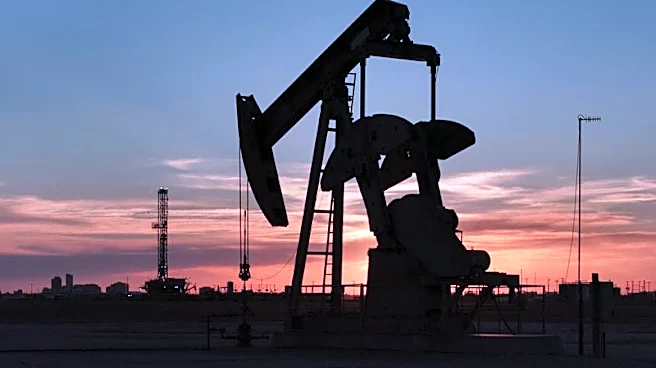
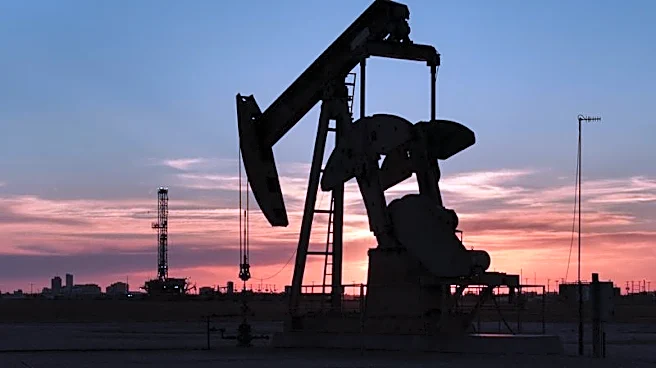
LONDON, July 29 (Reuters) - Oil prices jumped nearly 7% on Wednesday as major airstrikes resumed in the Middle East and dashed hopes for an imminent end to the U.S.-Israeli war with Iran, while industry data showed U.S. crude inventories fell.
Brent futures rose $5.84, or 6.9%, to $89.93 a barrel by 1224 GMT. U.S. West Texas Intermediate (WTI) crude gained $5.34, or 6.7%, to $84.60 a barrel.
"Renewed military strikes in the Middle East and Iranian officials reiterating that they want
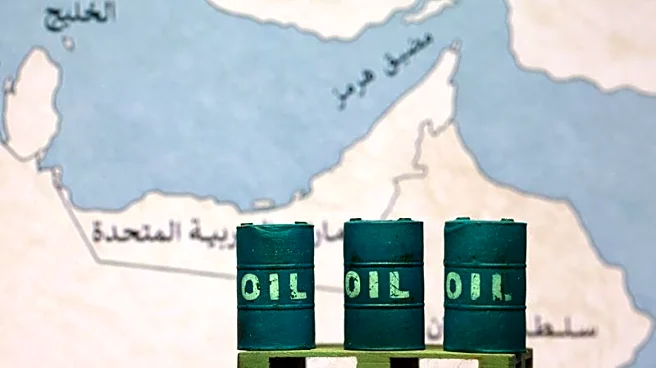
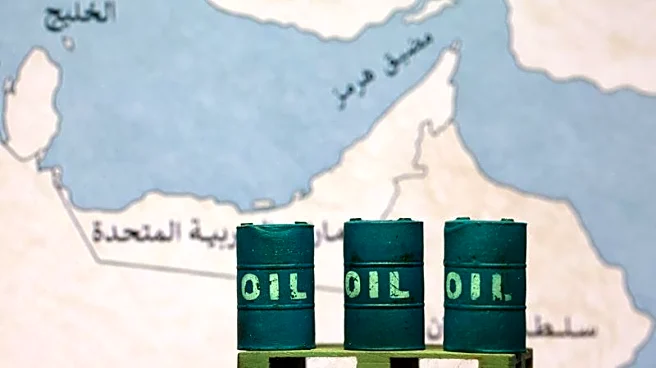
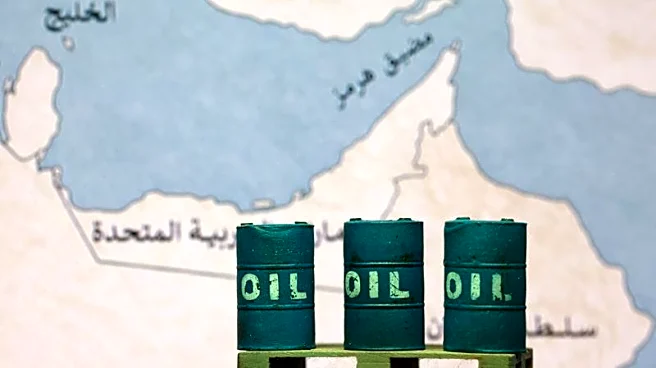
to control shipping activity through the Strait of Hormuz amid depressed oil flows through the Strait are lifting oil prices again," said UBS analyst Giovanni Staunovo.
The United States and Saudi Arabia launched strikes on Iran-backed groups in Iraq on Wednesday, blaming them for drone attacks on Saudi oil facilities.
The strikes came hours after the U.S. military said it had averted a surprise Iranian attack on U.S. troops in the region. Iran said it had fired on ships in the Strait of Hormuz and at U.S. bases in Jordan.
Prices surged even higher after President Donald Trump, in an interview with Fox News, promised retaliatory strikes against Iran.
Meanwhile, Tehran has ruled out Oman's proposal for regional joint management of the Strait of Hormuz, a senior Iranian official told Reuters on Wednesday, scuppering hopes for a resolution to the impasse that has choked off Gulf trade for months.
Only a few commodity ships have transited through the Strait of Hormuz so far this week, even as five transited through the Bab el-Mandeb strait, an alternative route for Saudi oil shipments to Asia, on Wednesday and 39 on Tuesday. That was the highest number since July 19, just before Yemen's Iran-backed Houthi militants announced a maritime blockade of Saudi Arabia.
Yemen's Houthi group is also considering imposing fees on commercial ships sailing through the southern Red Sea, regional sources with knowledge of the matter told Reuters. China has held direct talks with the group to enable its tankers to sail through the region without being attacked, six sources with knowledge of the matter said.
"We believe Brent oil prices will continue to whipsaw in the $80-$100 per barrel range in the near term as the conflict ebbs and flows in the Middle East," said Suvro Sarkar, head of energy research at DBS Bank.
The situation has escalated since U.S. President Donald Trump signalled a return to diplomacy earlier in the week, he said.
"This series of stop-start negotiations means a complete removal of the Strait of Hormuz blockade is not achieved, and oil prices could see higher floor of around $80 per barrel even under a de-escalation scenario."
U.S. crude inventories fell by about 3.3 million barrels in the week ended July 24, market sources said on Tuesday, citing data from the American Petroleum Institute.
Official inventory data from the Energy Information Administration is due later on Wednesday.
Further supporting prices, OPEC+ is likely to halt oil output increases for three months starting in October, sources told Reuters, after the producer group completes the scheduled return of barrels following voluntary cuts.
(Reporting by Stephanie Kelly in London, Laila Kearney in New York and Emily Chow in Singapore; Additional reporting by Arathy Somasekhar in Houston; Editing by Shri Navaratnam, Clarence Fernandez and Emelia Sithole-Matarise)