
By Maria Martinez
BERLIN, April 22 (Reuters) - Germany's economy ministry cut its growth forecasts for 2026 and 2027 and raised its inflation projections on Wednesday, as the Iran war drives up oil and gas
prices.
The government now expects 0.5% growth for 2026, down from an earlier projection of 1.0%, and cut its 2027 growth outlook to 0.9% from 1.3%, confirming a Reuters report last Thursday.
"The economic recovery expected for this year is once again being held back by external geopolitical shocks," Economy Minister Katherina Reiche said.
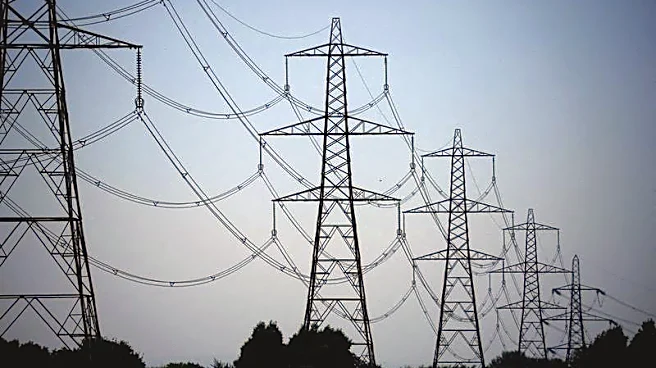
The war in Iran is driving up energy and raw material prices, the minister said, placing financial strain on private households and increasing costs for Germany's economy.
The ministry now expects inflation to accelerate to 2.7% this year and 2.8% in 2027, up from 2.2% last year.
In addition to the war in Iran, international trade faces headwinds from protectionist measures and economic fragmentation, hindering Germany's export-oriented economy from leveraging foreign trade to boost growth.
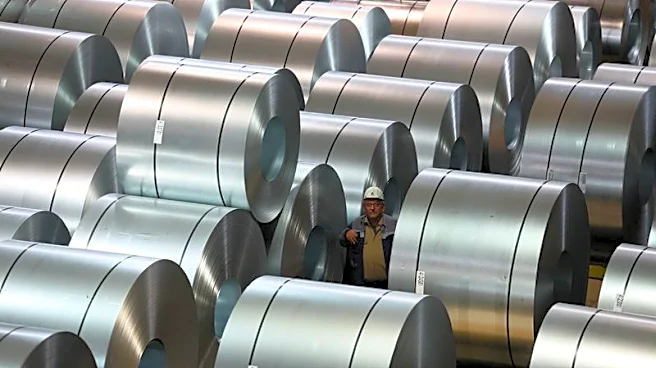
Exports are not expected to rise year-on-year until 2027, when they are forecast to increase by 1.3%.
Imports are expected to grow faster, rising by 1.8% in 2027, which would narrow Germany's trade surplus.
Europe's largest economy has been struggling since the pandemic to regain momentum. Heightened competition from China and higher energy costs are posing significant challenges to its export-driven economic model.
GROWTH DRIVERS
The recovery of the German economy is being driven primarily by domestic demand, Reiche said.
With rising real incomes, private consumption remains a pillar of the German economy despite the loss of purchasing power resulting from the energy price shock.
In nominal terms, consumption is expected to grow by 3.2% in 2026 and 3.3% in 2027, while adjusted for inflation the increase is 0.4% this year and 0.5% in 2027.
Government spending, especially on infrastructure and defence, will contribute to the overall economic recovery, with 5.2% growth expected in public spending this year in nominal terms, 2.0% adjusted for inflation.
Reiche defended the measures taken by the government to ease the pressure from rising energy prices.
"This helps in the short term, but it does not solve the structural causes of Germany's weak growth," Reiche added. "For an economy that can grow again and remain competitive, we also need far-reaching structural reforms."
Germany needs to tackle its excessively high taxes, reduce energy costs, and cut bureaucracy, she said, adding: "We hadn't done enough, even before the war."
(Reporting by Maria MartinezEditing by Kirsti Knolle and Gareth Jones)