




By Scott DiSavino
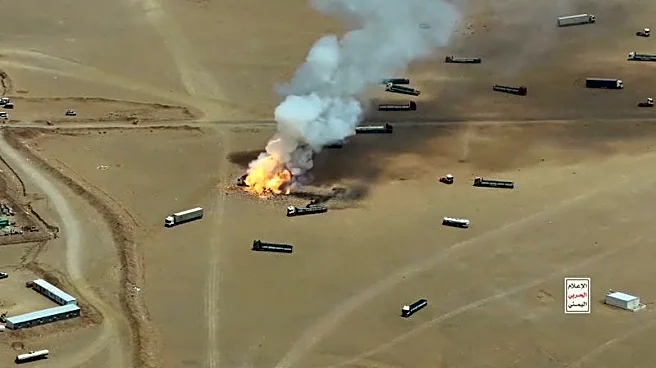
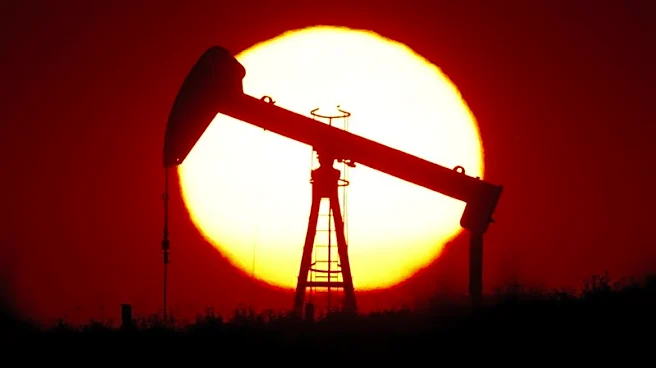
Sept 8 (Reuters) - Oil prices climbed to a fresh six-week high on Tuesday after Iran-backed Houthis in Yemen attacked Saudi energy facilities, setting oil installations ablaze and threatening a major expansion of the six-month-old Middle East war.
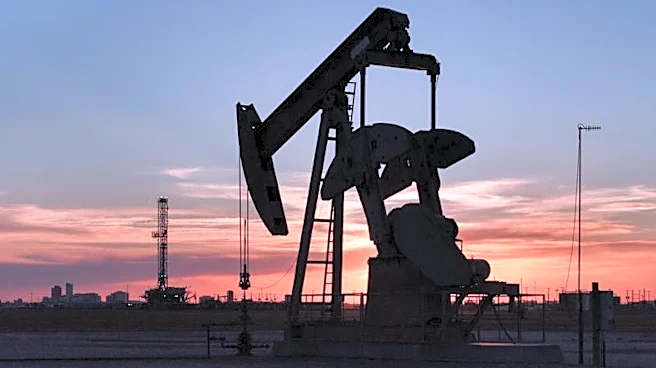
Brent futures rose 92 cents, or 0.9%, to settle at $97.92 a barrel, while U.S. West Texas Intermediate (WTI) crude rose $1.55, or 1.7%, to settle at $93.03.
That kept both crude benchmarks in technically overbought territory and was the highest
close for Brent since July 23 for a second day in a row and the highest close for WTI since June 4.
The Houthis attacked four cities in the south of Saudi Arabia, which is a U.S. ally, on Tuesday, wounding more than 70 people and setting oil installations on fire.
Houthi-controlled media reported later on Tuesday that Saudi warplanes had carried out airstrikes in Yemen's Jubah district, east of the capital Sanaa, and Taiz province in the southwest.
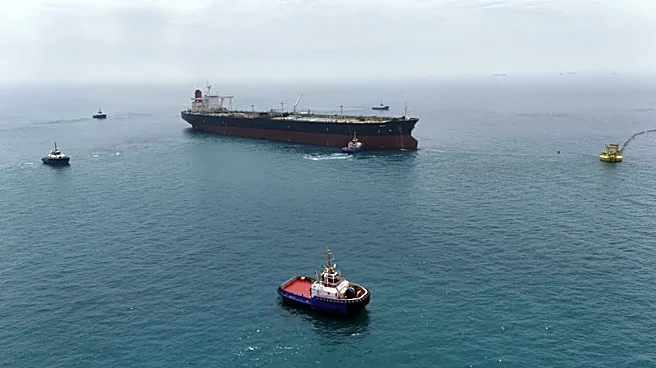
Oil exports from the Gulf region have been severely impaired since Iran attacked energy infrastructure in the region and ships passing through the Strait of Hormuz following joint strikes from the U.S. and Israel in late February.
Saudi Arabia, the world's second-biggest crude producer behind the U.S., has been circumventing the strait by shipping oil west to the Red Sea. But Tuesday's attacks appear to be among the largest carried out against that nation, and threaten to worsen the war's global economic effect by disrupting Middle East energy supplies beyond the blockaded Strait of Hormuz.
Wall Street is also coming to grips with the likelihood that Middle East shipping disruptions will continue into 2027. Goldman Sachs, HSBC and other banks raised their crude price forecasts for the rest of 2026 and 2027.
The number of commodity vessels sailing through the Strait of Hormuz totaled seven on Monday, compared with eight on the previous day, Kpler data showed on Tuesday.
Before the U.S. and Israel attacked Iran in February, about 20% of world oil supplies passed through the Strait of Hormuz.
FUEL PRICES HIGH AROUND THE WORLD
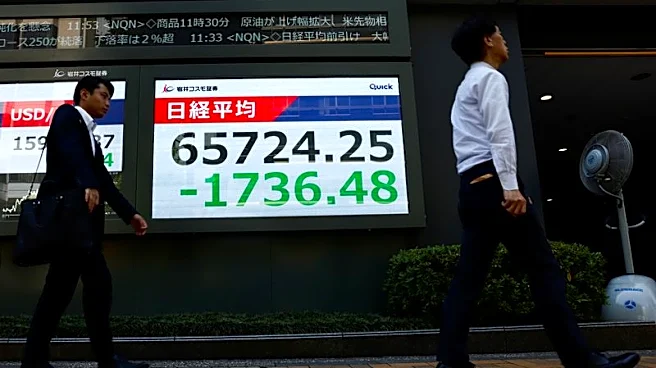
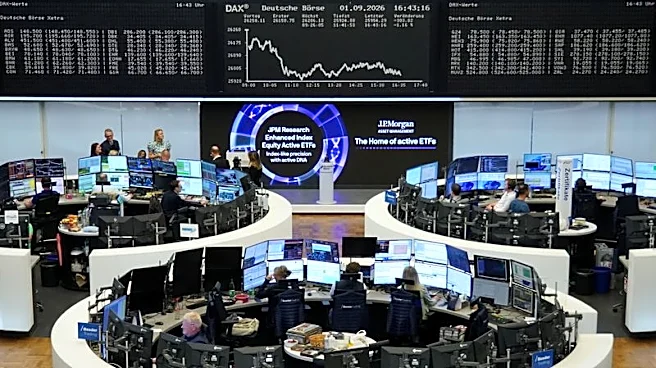
Oil futures, however, did pare earlier gains on increasing worries that high fuel costs will stoke inflation and force central banks around the world to raise interest rates, which could reduce economic growth and demand for energy.
Global fuel prices were high due primarily to disruptions at refineries in the Middle East, Russia and elsewhere. In the U.S., diesel prices reached record highs last week and Americans faced record-high gasoline prices over the Labor Day holiday weekend.
Senior industry executives predicted global diesel supply will remain tight through winter due to a lack of spare refining capacity, Russia's ban on exports following attacks by Ukraine and the approach of peak winter demand.
Those high prices, coupled with comments from U.S. Federal Reserve Governor Christopher Waller and a stronger-than-expected U.S. jobs report, caused some investors to change their U.S. rate-hike expectations.
Traders are now pricing in about a 60% chance of an interest rate hike at the Fed's September 15 to 16 policy meeting, according to the CME FedWatch Tool, up from about 50% before the jobs data.
RUSSIA AND UKRAINE
Crude futures also pared some early gains after U.S. President Donald Trump told Russian President Vladimir Putin by phone on Tuesday that he wanted a swift end to the war in Ukraine, which would allow U.S.-Russia ties to be fully restored, the Kremlin said, adding that Putin had supported the U.S. president's view.
An end to the Russia-Ukraine war could allow Russia to export more energy. Russia was the world's third-biggest crude oil producer behind the U.S. and Saudi Arabia in 2025, according to U.S. energy data, and is a member of the OPEC+ group of producing countries.
In China, the world's second-biggest economy behind the U.S., crude oil imports in August improved from July but volumes were down 23.4% from a year earlier, according to customs data released on Tuesday. China has restricted refined oil product exports since March to safeguard domestic supplies even as domestic consumption fell because of higher prices.
(Reporting by Scott DiSavino in New York, Anjana Anil and Anushree Mukherjee in Bengaluru and Emily Chow in Singapore. Additional reporting by Robert Harvey in London; Editing by Mark Potter, Nia Williams and Nick Zieminski)