



By Sinéad Carew and Ragini Mathur
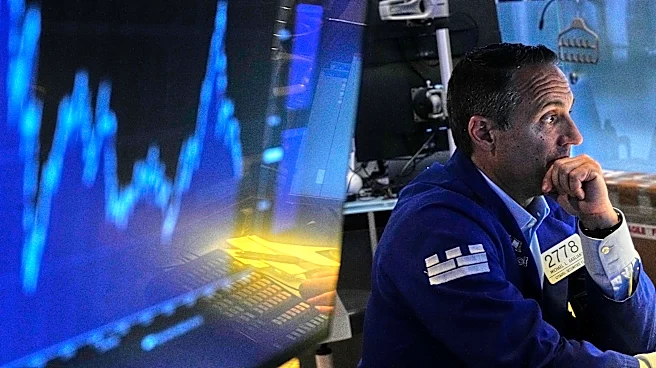
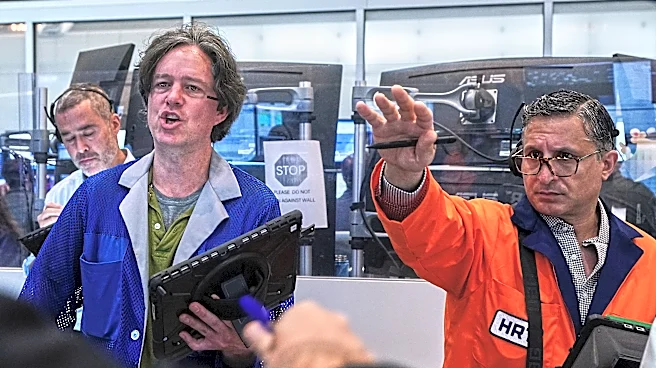
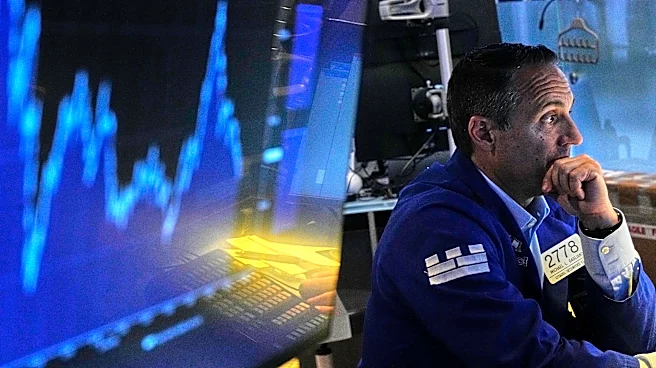
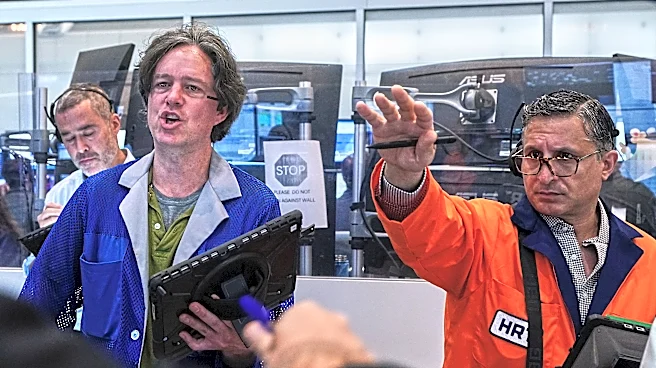
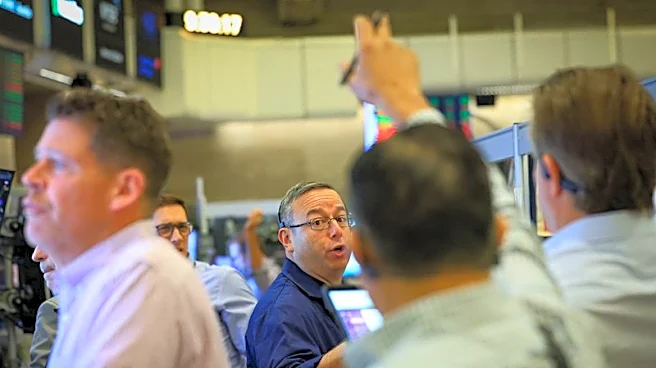
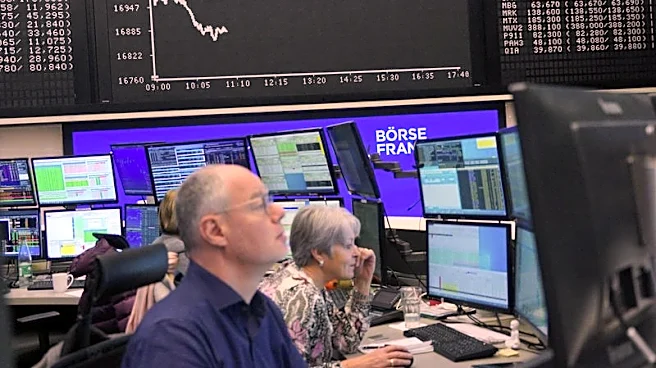
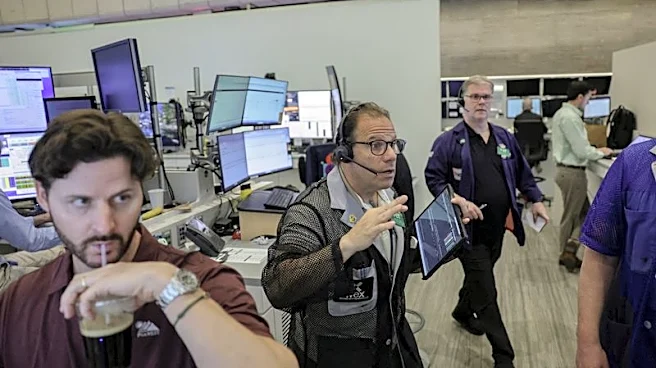
July 23 (Reuters) - Wall Street indexes closed lower on Thursday with Nasdaq sinking more than 2% as the latest earnings updates from large technology companies revived concerns about heavy AI spending, while soaring oil prices amped up inflation worries, lifting bond yields.
The S&P 500 fell more than 1% as losses were broad-based after investors were unimpressed by second-quarter results from Alphabet and Tesla, the first of the heavyweight "Magnificent Seven" companies
to report results this season.
Stocks came under additional pressure as Brent crude oil futures settled above $100 a barrel for the first time since May, and U.S. oil futures settled above $92.
Intensifying Middle East hostilities fanned worries about global oil supplies. The U.S. military launched another round of air strikes on Iran, and Iran fired at U.S. bases in nearby countries. U.S. President Donald Trump vowed "major military punishment" for Iran and Houthis, after the Yemeni fighters struck two Saudi oil tankers in the Red Sea.
The resulting surge in oil prices prompted worries about inflation days before the next Federal Reserve policy meeting. [O/R]
"Oil prices rising at this clip pose a meaningful macro and market risk," said Matt Miskin, co-chief investment strategist at Manulife John Hancock Investments. He added that low unemployment data would pressure the Fed to focus on fighting inflation.
He also pointed to the lack of enthusiasm, even for strong earnings reports as investors struggle to justify high valuations.
"The numbers in aggregate are great but many companies have had a story that's caused the stock to fall," said Miskin, pointing to worries about capital spending as one example. "Any chink in the armor and the stocks are being sold off."
The Dow Jones Industrial Average fell 506.93 points, or 0.97%, to 51,711.65, the S&P 500 lost 90.66 points, or 1.21%, to 7,408.30 and the Nasdaq Composite lost 553.21 points, or 2.15%, to 25,137.69.
The S&P 500's 11 major industry sectors were a mixed bag with just four advancing on the day. The biggest gainer was industrials, up 1.77% with boosts from defense stocks including Lockheed Martin and RTX .
Shares in Lockheed rallied 10.5% after it lifted 2026 sales and profit forecasts. RTX was the S&P 500's second biggest boost as it finished up 7.3% after it raised its 2026 sales and profit forecasts on demand for commercial aircraft maintenance and military systems.
Shares of Google's parent, Alphabet, sank 7%, making it the second-biggest drag on the benchmark index after it reported higher spending plans while it also burned cash.
The stock's fall also dragged down the communication services index 5.20%, making it the weakest of the 11 sectors.
Consumer discretionary was the second-biggest loser, ending down 5.12%. Its biggest drag was from Tesla, whose shares tumbled 14.5%, after it reported negative free cash flow in the second quarter for the first time in more than two years.
Wall Street's fear gauge, the CBOE Volatility Index finished up 2.06 points at 18.7, after earlier hitting 20.3, which was its highest level in almost a month.
With oil prices rising, inflation worries pushed U.S. 10-year yields to their highest levels since early 2025. However traders were still betting on a roughly 64% probability that the Fed would keep interest rates unchanged next week, according to CME Group's FedWatch tool. [US/]
The volatile Philadelphia semiconductor index ended down 0.5% as investors anticipated results from chip giant Intel. Shares in analog chip company Texas Instruments finished down 3% despite forecasting quarterly revenue above estimates.
However, shares in Thermo Fisher Scientific rallied 8.7% after the medical equipment maker raised its annual profit forecast and beat estimates for second-quarter results.
Declining issues outnumbered advancers by a 2.99-to-1 ratio on the NYSE, where there were 82 new highs and 354 new lows. On the Nasdaq, 1,374 stocks rose and 3,467 fell as declining issues outnumbered advancers by a 2.52-to-1 ratio. The S&P 500 posted 17 new 52-week highs and 15 new lows while the Nasdaq Composite recorded 41 new highs and 184 new lows.
On U.S. exchanges, 16.21 billion shares changed hands compared with the 18.51 billion average for the last 20 sessions.
(Reporting by Sinéad Carew in New Yokr, Ragini Mathur and Avinash P in Bengaluru, additional reporting by Purvi Agarwal; Editing by Amanda Cooper, Shinjini Ganguli, Maju Samuel and David Gregorio)