







BERLIN, June 10 (Reuters) - Germany's economy is likely to slip into a technical recession this year as an energy price shock triggered by the war in Iran derails a fragile recovery, the DIW economic institute said on Wednesday, cutting its 2026 growth forecast in half.
DIW Berlin now expects Europe's largest economy to grow by 0.5% this year and 0.8% in 2027, around half a percentage point lower than forecast in spring.
The institute said output was likely to contract slightly in both the second and
third quarters before stabilising toward the end of the year.
Many economists define a recession as two consecutive quarters of decline in a country's gross domestic product.
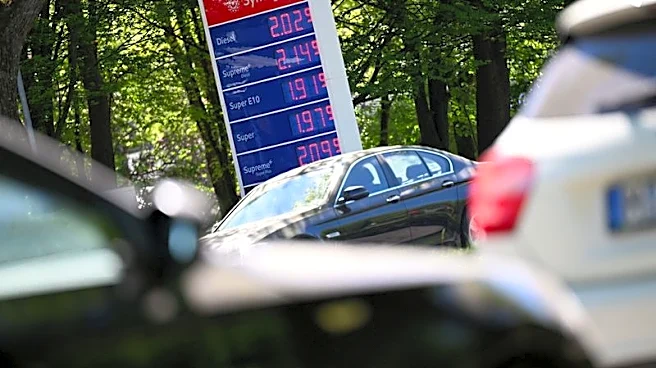
DIW said higher oil and gas prices were pushing up consumer prices, weakening household purchasing power and increasing uncertainty for companies.
Inflation is expected to reach 2.9% this year and 3% in 2027, above the European Central Bank's target of 2%.
"The energy price shock is noticeably slowing the recovery — but we are not experiencing a repeat of 2022/23," DIW's head of forecasting, Geraldine Dany-Knedlik, said, adding that energy supply remained secure and Germany was less dependent on fossil fuel imports than after Russia's full-scale invasion of Ukraine.
DIW added that public spending, including higher defence expenditure and infrastructure funds, was preventing an even sharper downturn.
(Reporting by Maria Martinez, editing by Thomas Seythal)