





By Gregor Stuart Hunter
SINGAPORE, Aug 12 (Reuters) - The dollar nudged a little higher in Asian trade on Wednesday, receiving limited additional strength after renewed attacks on shipping in critical waterways in the Middle East, as currency markets anxiously awaited the release of inflation data later in the global day.
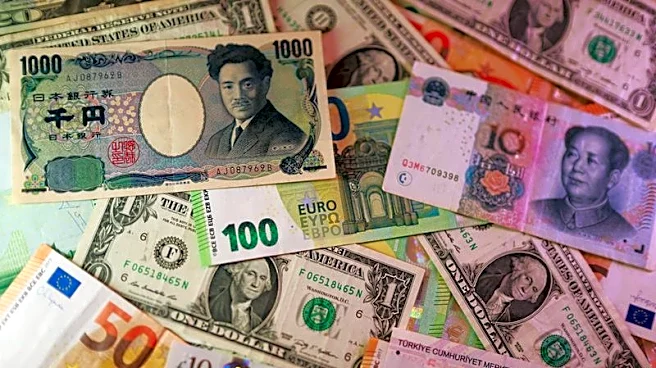
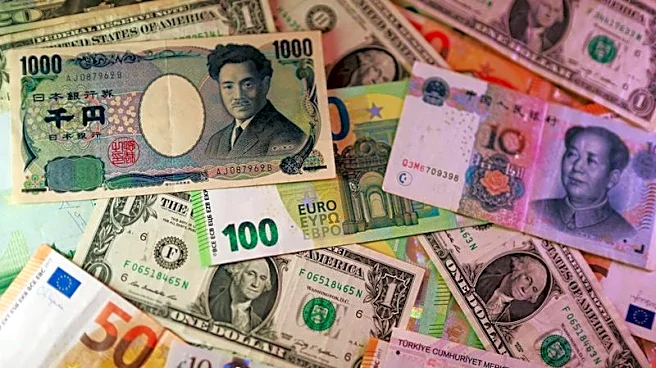
The yen was 0.1% weaker against the dollar at 159.44 yen, reaching its softest levels of the month despite the recent joint intervention by U.S. and Japanese authorities to strengthen
the Japanese currency, while the euro slipped 0.1% to $1.1534.
The British pound was also unchanged at $1.3505. The Australian dollar was down 0.1% at $0.7056.
The kiwi dollar was 0.3% weaker at $0.5866 after New Zealand Prime Minister Christopher Luxon said on Wednesday he had won a confidence vote of ruling party lawmakers, following speculation about his leadership months from a general election.
The main focus for markets this week is on the release of U.S. inflation data due later on Wednesday for clues to the direction of Federal Reserve interest rates, as last week's softer-than-expected jobs report and a press conference by Fed Chair Kevin Warsh last month did little to dispel doubts.
"There is a path ahead for easing in inflation as we progress through the remainder of 2026," assuming oil prices remain contained and the Strait of Hormuz reopens, ING analysts wrote. "In fact, the market is already discounting a mild inflation landing."
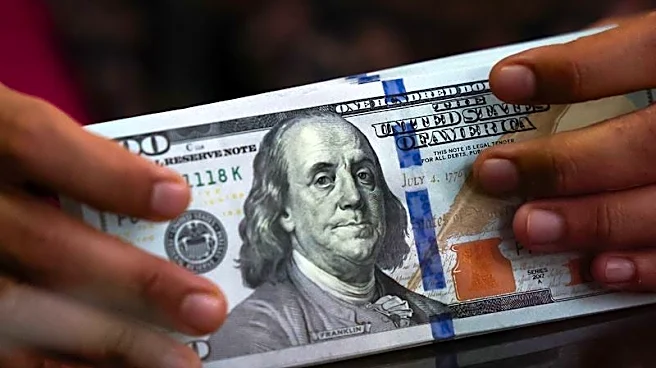
The U.S. dollar index, which measures the greenback's strength against a basket of six currencies, was up 0.1% at 99.89.
"If CPI disappoints today, speculators will likely trim their long USD positions against the NZD, EUR, and JPY, the currencies with the best market bets for a September hike," DBS analysts wrote in a research note.
Oil prices edged up in Asian trade, with Brent crude 0.9% higher at $89.69 a barrel after an attack by Iran-backed Houthis on a cargo ship in the Bab el-Mandeb strait and a U.S. military strike on a container ship off Pakistan attempting to break its blockade of the Strait of Hormuz.
Federal Reserve Bank of Chicago President Austan Goolsbee said on Tuesday the central bank is more concerned about too-high inflation than about any labor market weakness, although it was unclear whether that stance aligned him with the minority of policymakers who favoured an interest-rate hike last month.
Traders remain split on the Fed's next move. Fed funds futures imply a 50% chance the central bank will leave rates unchanged at its two-day meeting ending September 16, versus the same probability of a quarter-point increase, according to the CME Group's FedWatch tool.
In cryptocurrencies, bitcoin was flat at $63,721.02 while ether was 0.3% higher at $1,887.13.
(Reporting by Gregor Stuart HunterEditing by Shri Navaratnam and Stephen Coates)