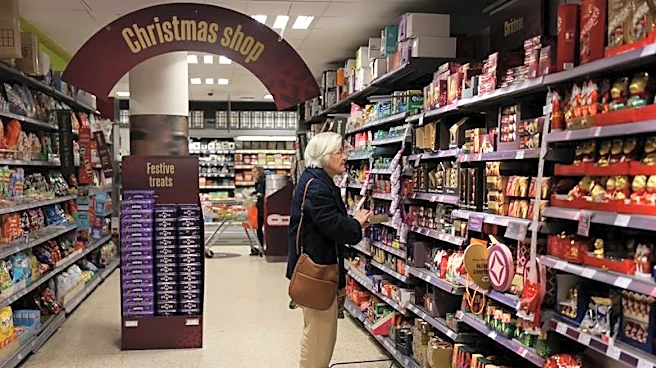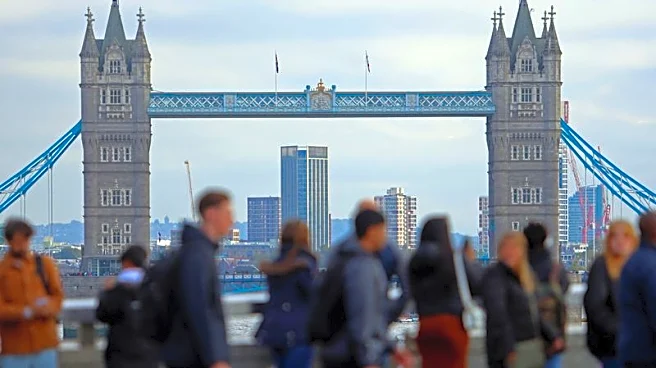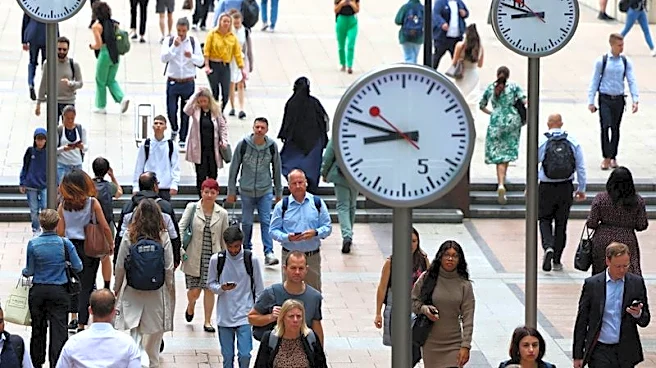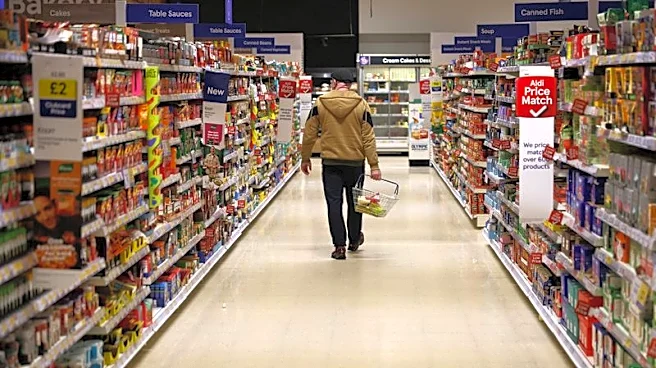





April 22 (Reuters) - British consumers are gloomier about the economy than at any time since records began in 1978, according to a survey published on Wednesday that showed the Iran war and soaring oil prices are taking a heavy toll on British households.
The Economic Optimism Index of market research firm Ipsos, measuring the gap between those who are optimistic about the economy and those who are pessimistic, fell to a record low of -72 this month.
That was below a previous low of -68 a year ago
when U.S. President Donald Trump imposed trade tariffs on imports from the rest of the world.
Economic sentiment is now worse than during the global financial crisis of 2008 and the 1980 recession that saw unemployment spiral - a bad sign for Prime Minister Keir Starmer's government before local elections next month.
Consumers have been hit by successive shocks from the COVID-19 pandemic to Brexit, soaring inflation and now the Middle East conflict.
Investors view Britain's economy as highly vulnerable to the jump in energy prices caused by the Iran war, although official data show the economy grew strongly in the months immediately before the conflict.
The Ipsos survey echoed a Citi/YouGov report published last month which showed a record jump in inflation expectations for the year ahead.
"Concern about the state of the economy is widespread among all groups," Gideon Skinner, senior director of UK politics at Ipsos, said, adding that this could play a "key role" at the May 7 elections that are likely to heap more pressure on Starmer.
Only 6% of Britons surveyed by Ipsos thought the economy was likely to improve over the next 12 months.
Its survey of 1,003 adults was conducted between April 8-14.
(Reporting by Andy BruceEditing by William Schomberg)