



By Nicole Jao
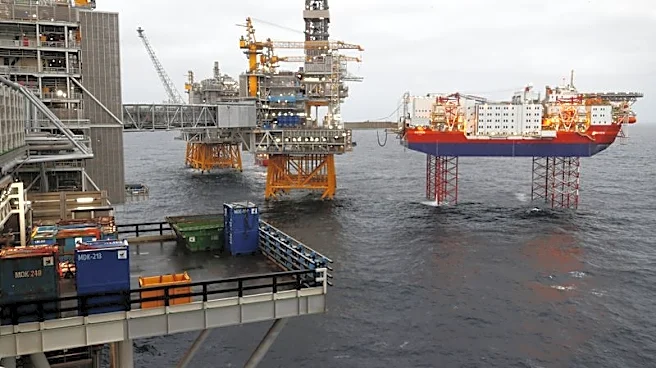
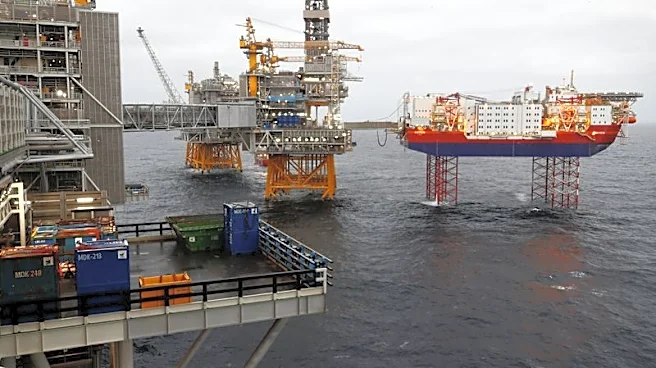
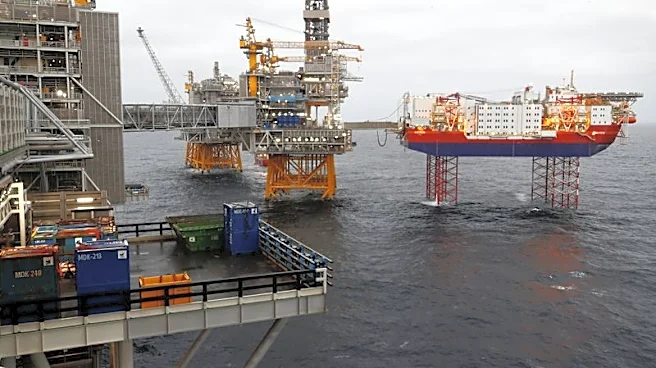
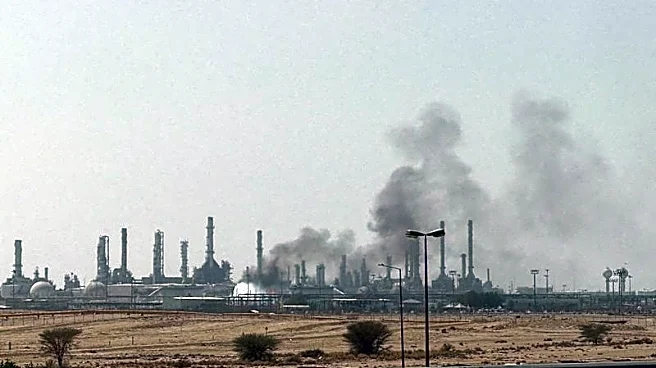
NEW YORK, Oct 5 (Reuters) - Oil prices edged lower on Monday after crude exports from the Middle East increased and the Group of Seven nations pledged to boost supplies, though selling was limited by ongoing disruption fears linked to the US war with Iran.
Brent crude futures were down $1.20, or 1.17%, at $101.05 a barrel by 2:08 p.m. ET (1808 GMT), while US West Texas Intermediate crude was down $1.16, or 1.27%, at $89.95.
Middle Eastern crude exports rose above pre-war levels in four
of the seven days of the final week of September, shipping data showed on Monday, despite attacks on vessels passing through the Strait of Hormuz.
"Although tankers are still at risk, the hope is that at the end of the day more oil reaches the market," said Andrew Lipow, president of Lipow Oil Associates.
Meanwhile, G7 countries agreed on Friday to release 100 million barrels of diesel and crude from emergency reserves and pledged to refrain from energy export restrictions after pressure from US President Donald Trump.
However, Raymond James analyst Pavel Molchanov said the market remained sceptical as it was unclear how much of the oil pledged under the new agreement would come from the remaining volumes of the International Energy Agency-coordinated 400 million-barrel emergency release announced in March.
IEA Executive Director Fatih Birol said last week that members had released about two-thirds of the 400-million-barrel agreement.
British oil major BP
SUPPLY BACKDROP STILL TIGHT
"A truce in the Middle East remains elusive, and renewed hostilities between Saudi Arabia and the Iran-backed Houthis will ensure that attacks on energy infrastructure and vessels will continue, keeping the geopolitical risk premium at an elevated level," said PVM Oil Associates analyst Tamas Varga.
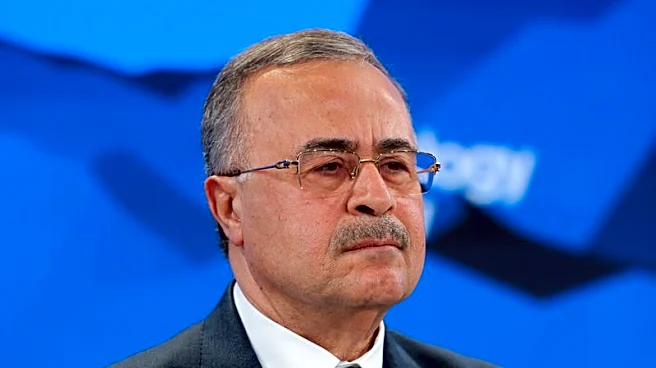
Saudi Aramco CEO Amin Nasser told the Energy Intelligence conference that he expected crude oil and refined fuel supplies to remain stretched and that refilling global stockpiles after emergency withdrawals might take two years.
Inventories of crude oil in the US Strategic Petroleum Reserve fell to 283 million barrels last week, the lowest since October 1982, according to data released by the Department of Energy on Monday.
The fighting between Saudi Arabia and Iran-backed Houthis in Yemen continued to heighten concerns about production at the top exporter in the region.
Yemeni government forces attacked Houthi positions in the Dhubab district overlooking the strategic Bab el-Mandeb Strait on Monday, two military sources said, a day after the internationally recognised government launched a campaign to retake Houthi-held territory.
OPEC+ delayed a review that would determine 2027 oil output quotas for its members after the Iran war disrupted projects to expand capacity across the Middle East, throwing estimates of future production potential into uncertainty, said two sources close to the matter.
Aramco, meanwhile, unexpectedly cut November crude oil prices for Asia to six-year lows.
(Reporting by Nicole Jao in New York and Seher Dareen in London; Additional reporting by Ahmad Ghaddar, Florence Tan and Sethuraman NR; Editing by David Goodman, Jan Harvey, Bill Berkrot and Jonathan Spicer)