
By Sudeshna Ghoshal and Purvi Agarwal
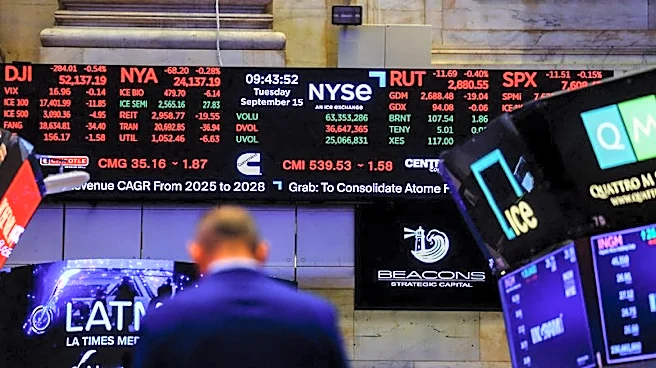
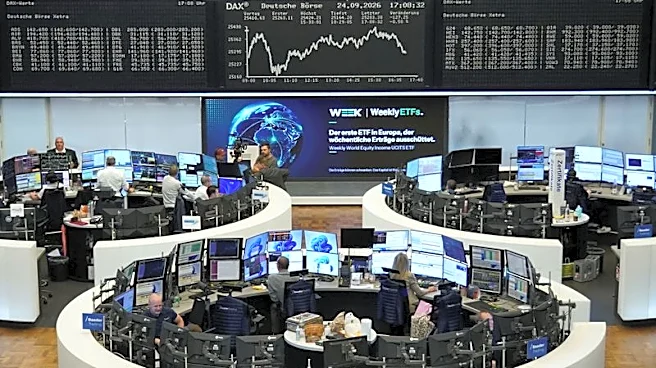
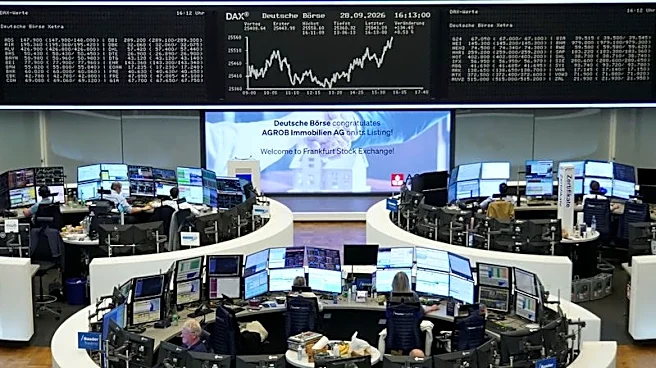
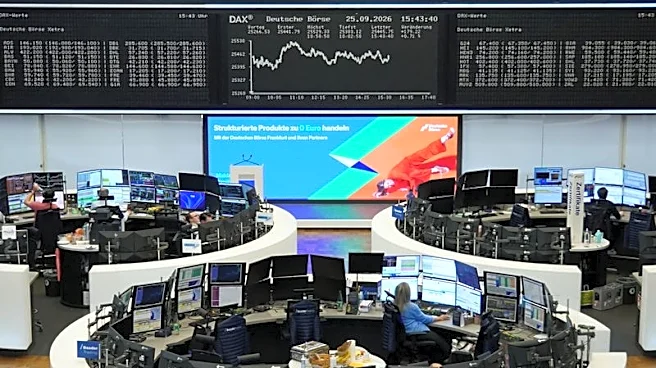
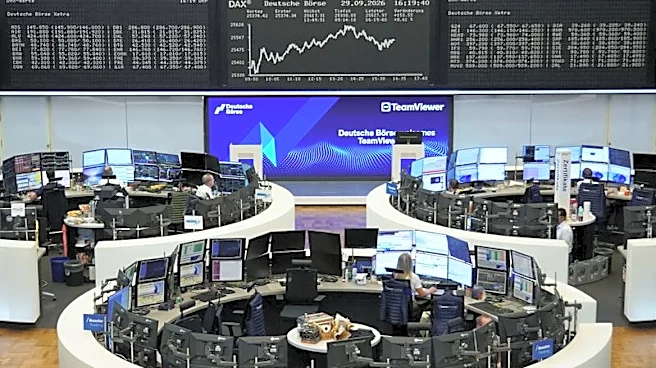
Sept 30 (Reuters) - European shares suffered their first monthly fall in six on Wednesday, as a surge in global bond yields reduced the appeal of riskier assets, while
investors parsed through cooler-than-expected US inflation data.
The pan-European STOXX 600 closed 0.5% lower, reversing gains from earlier in the session. It is down 2.5% for the month and 1% for the third quarter.
An energy-price shock from the Iran war, deteriorating government finances and a glut of issuances prompted major central banks, including the Federal Reserve and the European Central Bank, to raise interest rates or adopt a more hawkish stance this month.
"Everything got off on the wrong foot with Jackson Hole (in late August)... (Fed chief) Kevin Warsh was more hawkish than we expected and put us on a path of a rate hike, and that just set the tone for the entire month," said Chris Beauchamp, chief market analyst at IG Group.
Oil was up nearly 14% for the month and set for the biggest climb since July, as US-Iran talks aimed at ending their war stalled. [O/R]
Energy shares shed 0.9%, ending the month with a 2.7% gain, the most among peers.
The 10-year German bund yield, a euro zone benchmark, eased for a second day but hovered around its 2009 high.
Meanwhile, data showed US inflation increased less than expected in August, prompting markets to ease bets on US interest rate hikes next month.
"It's more momentum and bonds as much as anything else. Most European markets were at their best levels of the day before the PCE report, and then drifted towards the flat line," said Steve Sosnick, chief market analyst at Interactive Brokers.
"What we're seeing globally is, it's the AI trade or nothing. The problem for Europe is they have smaller exposure overall to the AI build out than the US does."
Most sectors on the STOXX 600 ended the day lower. Banks and industrials lost 0.8% and 0.7% respectively. Insurers were the biggest losers with a 1.4% fall.
British utilities rose a day after UK Prime Minister Andy Burnham made various policy announcements for the sector. Pennon, SSE and National Grid rose between 2% and 2.6%, with the broader utilities sector 0.6% higher.
Separately, data showed Britain's economy grew faster than previously thought in the second quarter and German inflation accelerated to its highest level since December 2023.
Among individual movers, Nordnet shares gained 1.1% as J.P. Morgan resumed coverage on the stock with an "overweight" rating.
Britain's largest fast-food chain Greggs gained 8.2% after the company raised its annual profit outlook.
(Reporting by Sudeshna Ghoshal and Purvi Agarwal in Bengaluru; Editing by Janane Venkatraman, Harikrishnan Nair, Elaine Hardcastle)