



By Leika Kihara
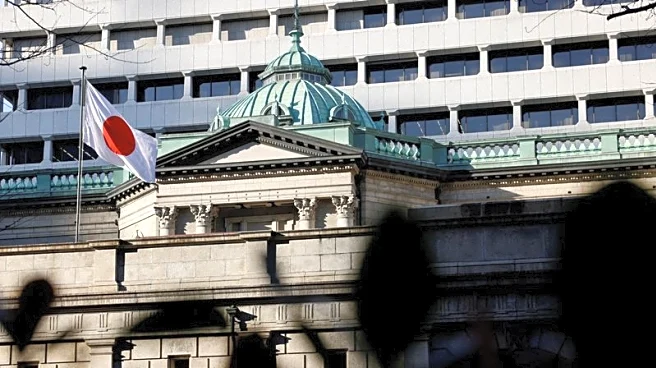
TOKYO, Feb 2 (Reuters) - Bank of Japan policymakers debated mounting price pressures from a weak yen, with some warning of the risk of being "behind the curve" in dealing with too-high inflation, a summary of opinions from their January meeting showed on Monday.
The discussion highlighted a growing hawkish view among the nine members of the bank's board that may keep alive market expectations for a near-term interest rate increase.
At last month's meeting, some board members believed
risks to the price outlook were skewed to the upside due to steady wage gains, hopes for recovery in overseas growth and rising import prices from a weak yen, the summary showed.
One opinion described Japan's inflation as becoming "sticky," while another warned that more yen declines could prevent inflation from moderating, it showed.
"If overseas interest rate environments change this year, there is a risk that the bank may unintentionally fall behind the curve," one member was quoted as saying. The member also said the central bank needs to continue pulling Japan's real interest rates out of negative territory.
While the risk of the BOJ falling behind the curve has not necessarily become evident, it is becoming more important to raise rates in a timely fashion, another opinion said.
The remarks highlighted growing attention within the BOJ on the dangers of being too slow to raise rates, as consumer inflation has been above its 2% target for nearly four years.
At the January 22-23 meeting, the BOJ kept interest rates steady at 0.75%, having just hiked borrowing costs to that level in December. But the central bank retained its hawkish inflation forecasts and signaled readiness to keep raising still-low borrowing costs.
While BOJ Governor Kazuo Ueda has said Japan was making progress in hitting the bank's price target, he has repeatedly brushed aside the view that the bank was being behind the curve in addressing the risk of too-high inflation.
Most opinions in the January summary called for continued and steady rate hikes, with one saying there was no need to worry too much that higher borrowing costs would hurt corporate profits.
Another opinion said the only way to deal with the weak yen and rising bond yields was to raise interest rates in a timely fashion, as such moves reflect increasing inflation expectations, the summary showed.
"Given that addressing rising prices is an urgent priority in Japan, the bank should not take too much time examining the impact of rate increases, and should proceed with the next hike without missing the appropriate timing," a third opinion showed.
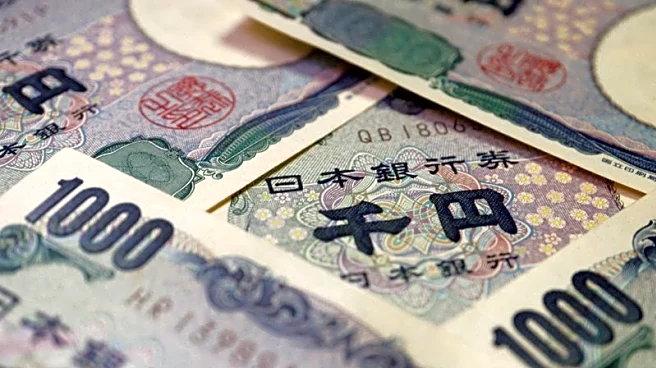
A weak yen has become a source of concern for policymakers, as it hurts households by increasing the cost of living, a focal point in Japan's general election on February 8.
Analysts polled by Reuters last month expected the BOJ to wait until July before raising rates again. But the swap market has priced in roughly an 80% chance of a rate hike to 1% by April based on the view that the yen's recent declines will speed up inflation.
(Reporting by Leika Kihara; Editing by Himani Sarkar and Thomas Derpinghaus)