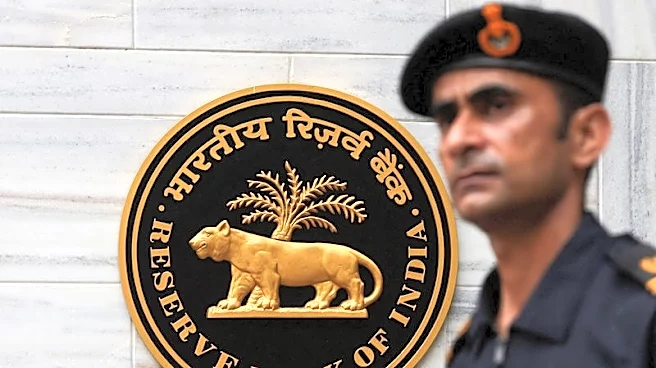

MUMBAI, Aug 19 (Reuters) - India's rate panel left the door open to future rate hikes earlier this month, watching for evidence that supply-sparked inflation may be seeping into the broader economy which could merit higher borrowing costs, minutes of the committee's meeting released on Wednesday showed.
A sharp rise in oil prices brought on by the Iran war has stoked inflation worries, prompting markets to wager on rate hikes, while also exerting pressure on the Indian rupee.
The panel had voted unanimously
to keep the policy repo rate (INREPO=ECI) unchanged at 5.25% on August 5, while retaining its monetary policy stance at "neutral".
India's headline consumer inflation remained well within the central bank's 2-6% tolerance band at 4.45% in July. The Reserve Bank of India has a 4% medium term target.
While there are limited signs of inflation becoming generalized so far, headline inflation does appear to be normalizing "from its benign levels seen hitherto," RBI Chief Sanjay Malhotra said in the minutes.
"We also need to be watchful as the risks of higher food, fuel and other input prices translating into a broad-based increase in inflation and de-anchoring of expectations persist. Any evidence of these risks materialising may need policy tightening," Malhotra said.
Central bank deputy governor Poonam Gupta, meanwhile, pointed out that while scope for any further policy easing does not exist, due to the persistent uncertainty stemming from global developments and weather risks, "the best course of action would be to wait and watch a bit more."
India has kept policy rates unchanged so far this year, setting it apart from regional peers such as Indonesia, the Philippines and others that have responded to the inflationary fallout from higher energy prices and war-driven currency volatility by tightening monetary policy.
At its policy meeting earlier this month, the RBI trimmed its forecast for average inflation in the current financial year to 5% from 5.1% while nudging up its economic growth forecast to 6.7%.
(Reporting by Jaspreet Kalra; Editing by Ronojoy Mazumdar)