




By Anna Szymanski
July 31 (Reuters) -
From the Editor
Hello Morning Bid readers!
Three of this year's biggest market worries were on full display this week. Is the AI frenzy cooling? Will the conflict in the Middle East go from bad to worse? And will the Federal Reserve's already strained credibility weaken further?
First, on the AI front, the high bar tech firms have to meet was on full display in South Korea. The chipmaking giant SK Hynix posted a record sixfold leap in quarterly operating profit on Wednesday
but still missed forecasts, sending its stock down nearly 10%, while Samsung's shares also slipped on Thursday even though it reported a 250-fold profit rise.
These slumps partly reflected concerns about the sustainability of the lavish spending of U.S. hyperscalers as they rapidly burn through their cash piles. Meta appeared to justify that concern when it reported that second-quarter free cash flow had cratered as it doubled down on AI capex.
But then the tide appeared to turn. Microsoft, a laggard this year, saw its shares surge as it beat forecasts for cloud growth while also announcing that capex would be below estimates for the first quarter of 2027 (though that's largely due to an accounting change). Amazon also impressed by delivering its highest cloud revenue growth in more than four years, which suggested that its enormous AI investments are generating enough demand to warrant its spending splurge.
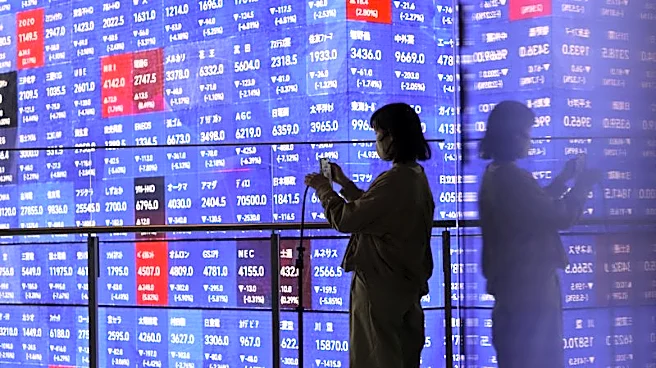
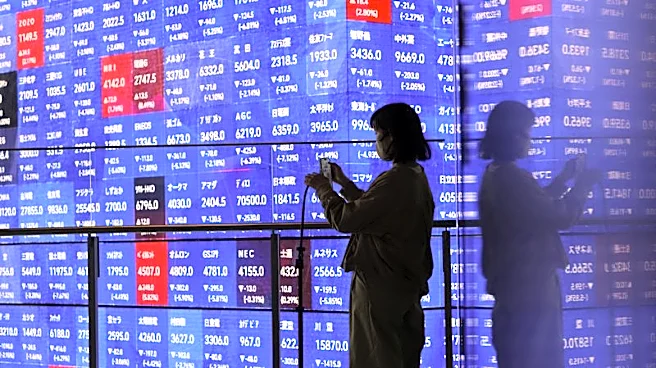
This all helped lift Wall Street on Thursday, which, in turn, gave a big boost to Asian equities on Friday. South Korea's tech-heavy and hyper-volatile KOSPI leapt nearly 18%, though it's still down around 20% on the month.
Real risks remain in the AI space, of course. The massive run-up in share prices over the past few years in this space means there is still plenty of room for them to fall, and the hyperscalers' rising debt burdens and increased use of circular financing could result in a messy unwind.
Yet this doesn't mean an epic crash is coming. Given the fundamental strength of many of the companies at the center of the AI boom, don't expect any pullback to be akin to the 2000 dotcom crash or the 2008 global financial crisis. Not every correction is a crisis.
The next big story this week was, of course, the conflict in the Middle East. The pause in U.S. strikes early in the week sent Brent crude prices tumbling to $84 a barrel by Tuesday's close. But this drop was short-lived. A surprise attack by Iran on U.S. bases in the Middle East later on Tuesday elicited a military response from the U.S. – and a profanity-laced rebuke from President Donald Trump. The conflict also appeared to widen midweek after gas vessels in Egypt's Mediterranean port of Damietta were hit by a drone. Oil prices spiked almost 8% on Wednesday in response to the apparent escalation, though they were back below $90/bbl by early Friday.
Perhaps what crude markets are pricing in now isn't war or peace, but the market's adaptability – something we've seen in spades over the past five months. But this may also mean a new normal is taking hold in the Gulf, where energy flows are less efficient and more opaque – an expensive prospect for a region that has long been able to secure a premium because of its reputation for reliability.
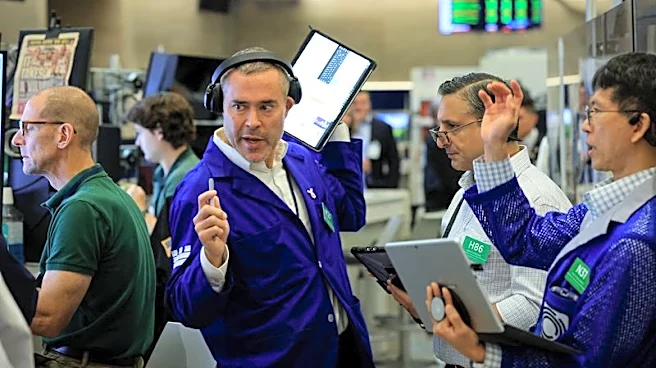
Moving back stateside, we come to the final set piece of the week: the Fed meeting. Markets entered it pricing in a roughly one-in-three chance of a hike, one of the most uncertain backdrops in years. The Fed ultimately kept rates on hold, but the three dissents in one direction – the most under a new chair since 1970 – suggest the uncertainty was warranted.
Ultimately, though, what markets seemed to respond to most was not the decision itself but Kevin Warsh's press conference. The new Fed chair's language was decidedly convoluted, leaving traders questioning not only what the central bank might do next but whether it might be changing its preferred inflation gauge.
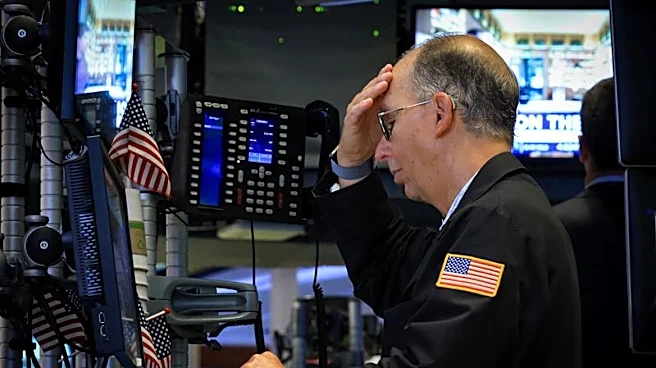
In response, 30-year Treasury yields shot up to 5.2%, the highest level in 19 years, while short-term rates fell. This steepening suggests traders are not confident that the Fed will be able to control inflation over the long term.
There are many arguments for why the Fed should have hiked this week: the energy price spike, food inflation risks from El Niño, "chipflation", and Trump's massive tax cuts. The central bank may be able to look through one or two of these pressures – but all of them? That's considerably trickier.
Warsh thus needs to tread carefully if he wants to avoid further eroding the Fed's credibility, which is already far from unimpeachable given that inflation has been above the central bank's 2% target for over five years. U.S. PCE, the Fed's preferred inflation gauge, rose 3.7% year-on-year in June, slowing from 4.1% in May – but with oil prices on the rise again, this easing will likely be temporary.
Elsewhere, the Bank of England met this week, holding rates steady in a 6-3 vote rather than an expected 7-2, with a third policymaker backing a hike in light of the renewed U.S.-Iran hostilities. The Bank of Japan also held rates steady, but highlighted the risk that inflation will exceed its 2% target, signalling more hikes could be coming. Ahead of the meeting, the yen surged to the 158 per dollar range after suspected government intervention. It was back around 160 on Friday after further volatility.
Looking to next week, we're getting into the dog days of summer when out-of-office messages become the norm, but markets will still have plenty to chew on, including more earnings, U.S. jobs numbers and the latest events out of the Middle East.
For more data-driven insights on markets and commodities, check out Reuters Open Interest. You can learn:
• Is "fast money" responsible for many head-scratching market moves?
• Could Europe be on the cusp of an industrial renaissance?
• How is the U.S. helping to fuel its Chinese competitors?
• Can equity markets keep shrugging off rising yields?
• What do hyperscalers' CDS spreads say about potential earnings growth?
• How is Europe's energy transition becoming an economic security race?
• What's hiding in the world's $1.8 quadrillion balance sheet?
• Will Trump's tariff uncertainty on copper cause a structural split in the market?
• Why is thermal coal demand so high in Asia?
• How has the U.S. energy system handled the Mideast stress test?
• Are two iron ore giants becoming copper plays?
• How has China's trade in base metals evolved this year?
• Why might Europe be in trouble this winter?
I'd love to hear from you, so please reach out to me at .
Want to receive the Morning Bid in your inbox every weekday morning? Sign up for the newsletter here. You can find ROI on the Reuters website, and you can follow us on LinkedIn and X.
Opinions expressed are those of the authors. They do not reflect the views of Reuters News, which, under the Trust Principles, is committed to integrity, independence, and freedom from bias.
(By Anna Szymanski)