



By Niket Nishant and Tharuniyaa Lakshmi
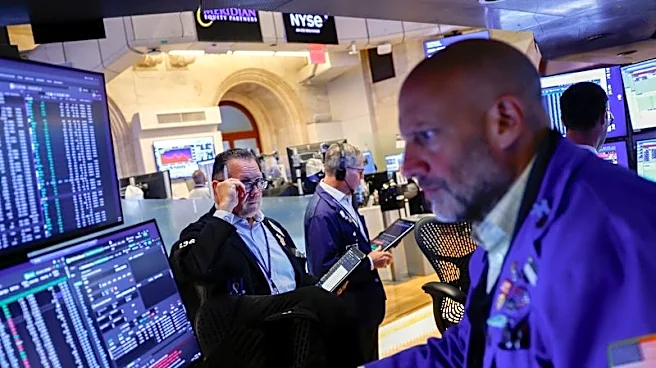
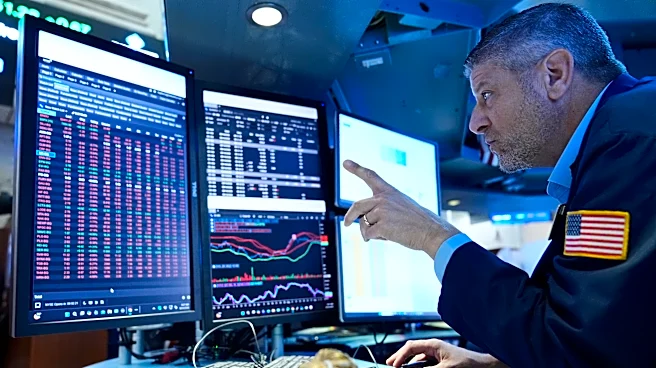
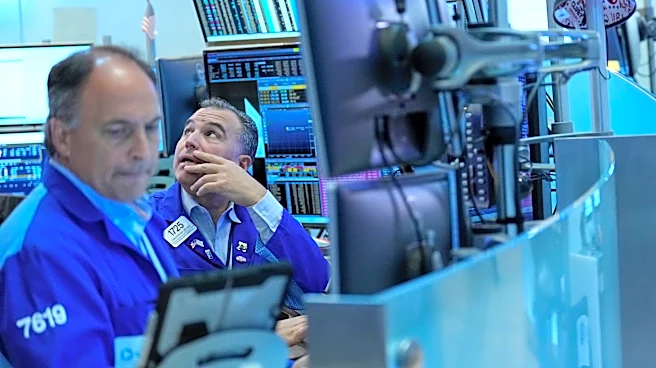
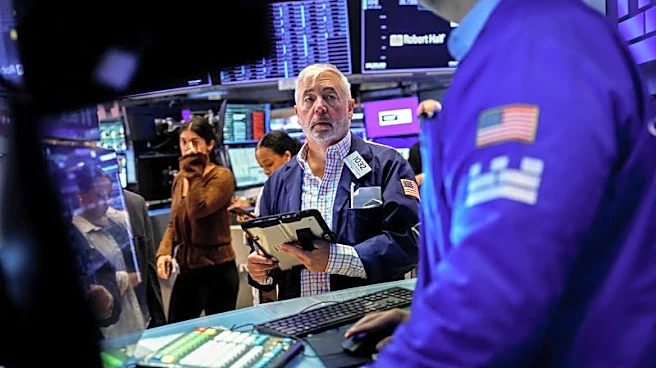
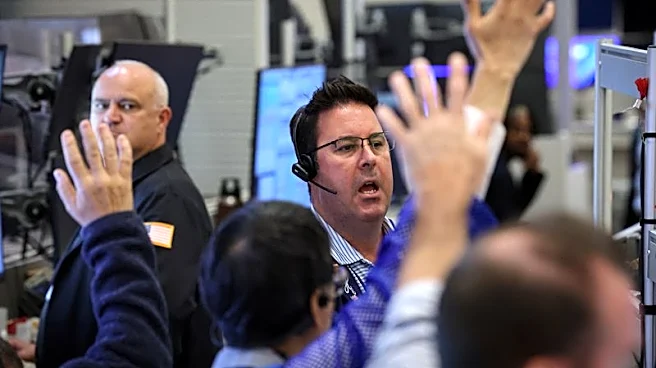
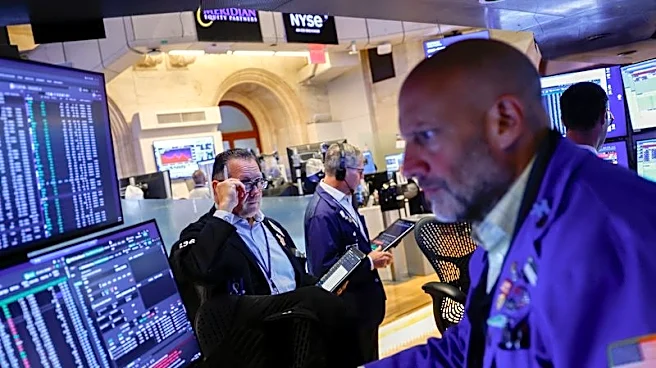
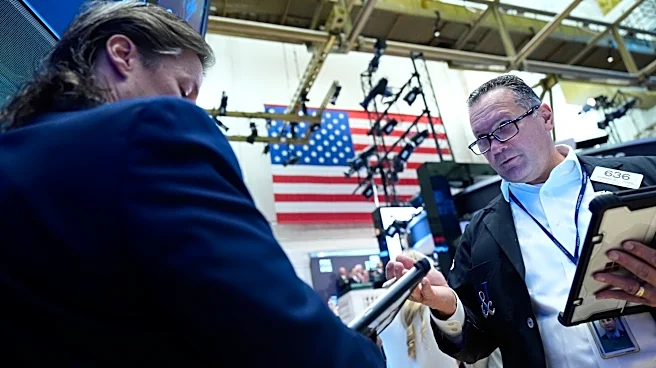
Sept 18 (Reuters) - Wall Street's main indexes fell on Friday in the final stretch of a turbulent week, as investors digested shifting oil prices, higher Treasury yields and a Federal Reserve rate hike.
The quarterly expiration of derivatives contracts tied to stocks, index options and futures, known as "triple witching," also threatened to exacerbate volatility.
Ten of the 11 major S&P 500 sector indexes were lower, and the materials index led losses with a 1.4%
decline.
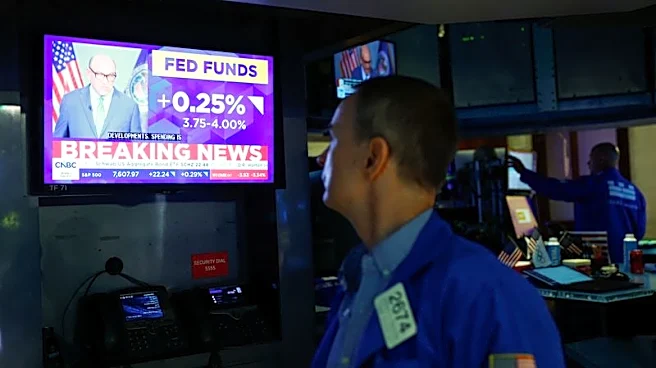
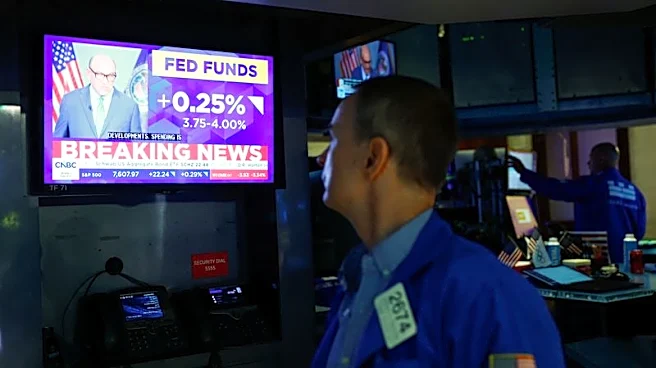
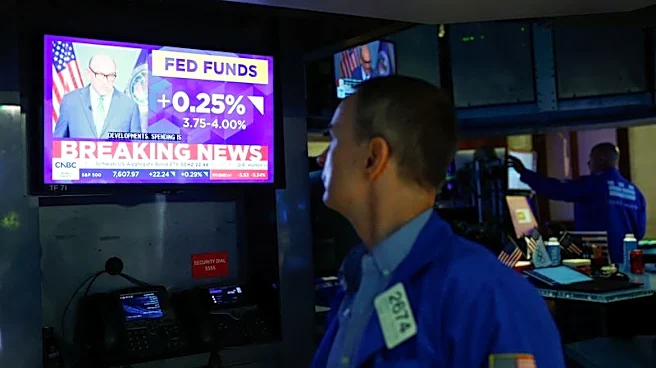
The interest rate hike from the Federal Reserve and Chair Kevin Warsh's commentary on the future trajectory of borrowing costs has kept investors busy this week.
"Today will be largely about digesting the effects and really thinking through the pros and cons of the Fed's recent moves," said Steve Sosnick, chief strategist at Interactive Brokers.
Investors also reassessed the outlook for AI demand this week after top industry executives urged a slowdown in the development of the technology. There is little clarity yet on what such a slowdown would look like.
The race for AI supremacy is set to hang over next week's meeting between US President Donald Trump and Chinese President Xi Jinping in Washington.
With the earnings season still a month away, commentary from top industry executives at a string of conferences this week gave markets an early read on corporate health and helped shape sentiment.
"The recent strength of S&P 500 earnings growth has raised investor concerns that the market is in an 'earnings bubble'," wrote Ben Snider, chief US equity strategist at Goldman Sachs.
"While there are indeed factors contributing to 'over-earning' today, our base case is for S&P 500 earnings growth to decelerate, not collapse, in coming years."
At 10:17 a.m. ET, the Dow Jones Industrial Average fell 195.80 points, or 0.38%, to 51,590.98, the S&P 500 lost 17.02 points, or 0.22%, to 7,620.74 and the Nasdaq Composite was down 43.55 points, or 0.16%, to 26,374.75.
Crude prices were volatile on Friday, as markets weighed supply concerns following fresh strikes between Saudi Arabia and Yemen's Iran-backed Houthis.
The yield on the benchmark 10-year Treasury rose 4.9 bps to 4.996%.
Meanwhile, Xenon Pharmaceuticals tumbled over 27% after it temporarily paused enrolment in tests for its experimental drug for major and bipolar depression following reports of side effects.
Berkshire Hathaway said Warren Buffett, its former CEO and one of the world's most revered investors, will step down as chairman and become chairman emeritus, effective immediately. Shares of the company were 0.4% lower.
Declining issues outnumbered advancers by a 2.51-to-1 ratio on the NYSE and by a 1.56-to-1 ratio on the Nasdaq.
The S&P 500 posted 4 new 52-week highs and 18 new lows while the Nasdaq Composite recorded 18 new highs and 56 new lows.
(Reporting by Niket Nishant and Tharuniyaa Lakshmi in Bengaluru; Editing by Joyjeet Das and Devika Syamnath)