



By Takaya Yamaguchi, Yoshifumi Takemoto and Makiko Yamazaki
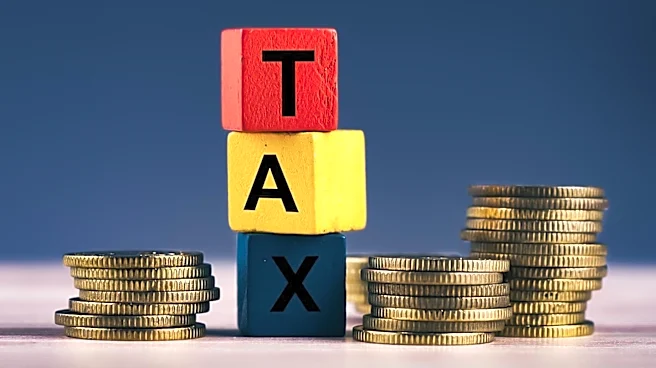
TOKYO, Aug 5 (Reuters) - Japan's government on Wednesday signed off on Prime Minister Sanae Takaichi's flagship plan to slash the consumption tax on food, pressing ahead despite mounting concerns over the nation's already strained finances.
The cabinet endorsement followed unanimous approval by the ruling Liberal Democratic Party's general council earlier in the day, paving the way for the tax cut to take effect in April 2027, subject to parliamentary
approval.
If adopted, the measure would be Japan's first time lowering the sales tax since it was introduced in 1989.
The plan would slash the consumption tax on food items to 1% from 8% for two years, supplemented by a benefit payment equivalent to the remaining 1% that would effectively eliminate the tax burden on food purchases.
The tax cut, a centrepiece of Takaichi's efforts to ease the impact of rising living costs on households, creates a revenue shortfall of roughly 5 trillion yen ($31.7 billion), intensifying pressure on the government to explain how it plans to fund the shortfall.
Takaichi and other ministers have repeatedly said the government will not rely on debt issuance and will instead seek to tap non-tax revenues, such as proceeds from state funds and foreign reserves as well as spending reforms.
RULING PARTY DIVIDED
The cabinet decision follows the collapse of weeks of bipartisan talks at a government council, where ruling and opposition parties failed to agree on the scope and funding of a food tax cut.
The tax cut proposal faced pushback even within the ruling party, with some lawmakers skipping the LDP's general council meeting on Wednesday in protest at the absence of a clearly identified funding source.
The proposed tax cut comes as Japan faces swelling fiscal commitments, including support for a 370 trillion yen public-private investment strategy through fiscal 2040 and likely higher defence spending following revisions to Japan's national security strategy.
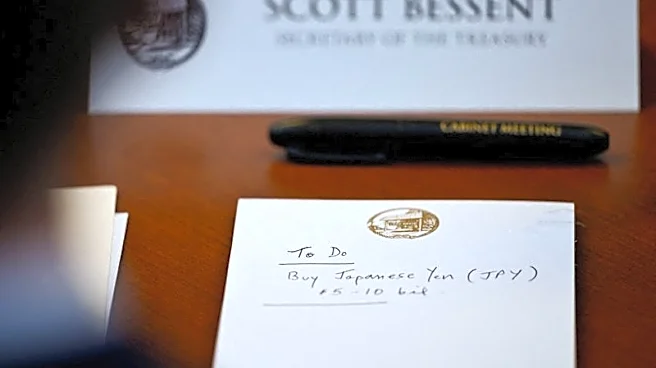
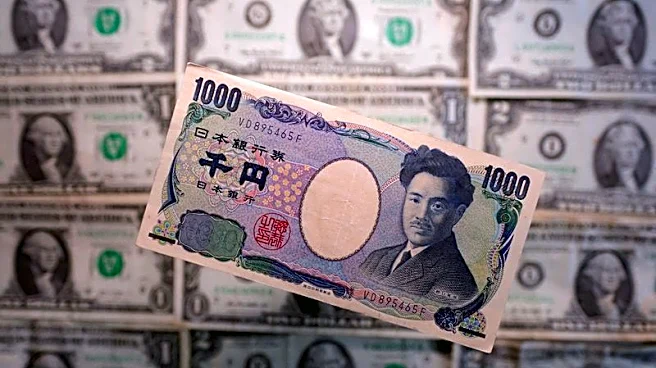
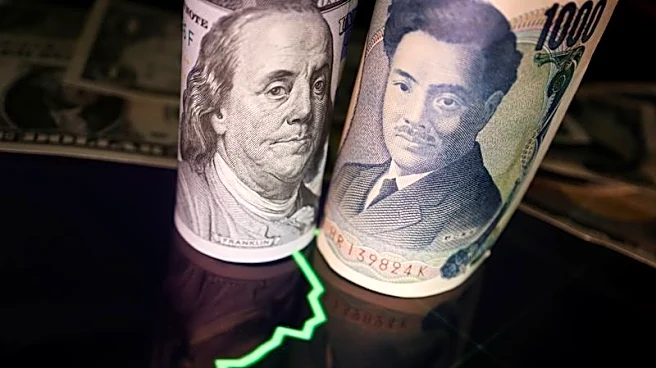
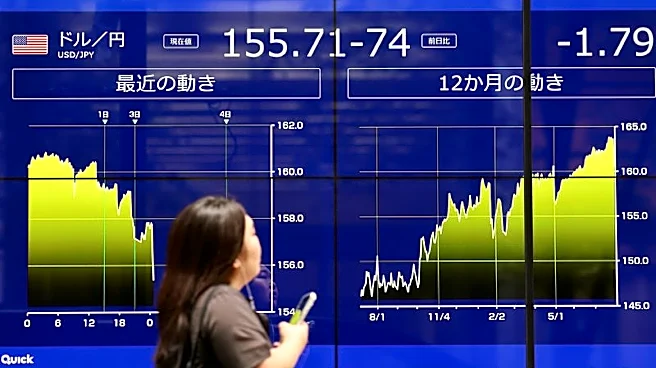
These fiscal concerns have been weighing on the yen and Japanese government bonds, even after Tokyo and Washington conducted a rare coordinated intervention to support the Japanese currency.
The intervention briefly pushed the currency to a three-month high of 155.2 per dollar, though it has since weakened back to 157.6.
The benchmark 10-year Japanese government bond yield climbed as high as 2.87% this week, fuelling concerns that future debt-servicing costs could rise sharply.
($1 = 157.6300 yen)
(Reporting by Tamiyuki Kihara, Takaya Yamaguchi, Yoshifumi Takemoto and Makiko Yamazaki; Editing by Shri Navaratnam and David Holmes)