
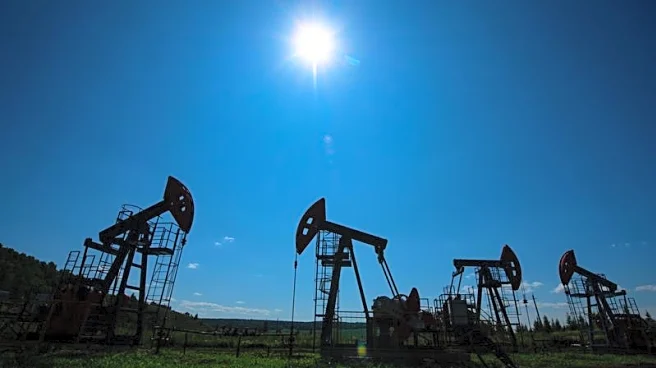
FRANKFURT, March 6 (Reuters) - Oil prices have risen more than 27% this week due to the war in Iran, fuelling bets the European Central Bank may need to raise interest rates to curb energy-driven inflation.
Here is what key policymakers said about surging energy prices and their potential impact on interest rates:
Christine Lagarde, ECB President, March 5
The ECB will take its decisions "in view of all the data that we can harness, and that we can analyse, and that we can scrutinize with sufficient
confidence."
There is no "preset pace for our monetary policy stance."
"And I think that if you bring these two elements together, it places the ECB and the euro system in a good position to monitor very carefully and to try to understand what the consequences of the current shocks will be in the future."
Olaf Sleijpen, Dutch central bank Governor, March 6
"While I would not use the word nirvana or Goldilocks anymore, I haven't dramatically changed my view on where we are, which is still a good place.
I'm still in the good place ... but everything depends on how this conflict will develop.
We are truly data dependent. So, it depends on how things will develop and how we are going to assess those developments going forward."
Jose Luis Escriva, Spanish central bank Governor, March 6
"With the information I have, I think it's very unlikely that we will touch rates at the next meeting.
We can already take it for granted that there will be effects (from the war).
Our inflation target of 2% is a medium-term horizon, transitory movements should not necessarily lead us to make decisions. Instead, we must monitor the situation and assess to what extent this is having more persistent effects over time."
Luis de Guindos, ECB Vice President, March 5
"The baseline (is) that this is going to be short-lived. If it is longer, then there is a risk that inflation expectations will change."
Martins Kazaks, Latvia's central bank governor, March 3
"We should sit tight.
I don't see that we need to rush to do something with policy rates."
Francois Villeroy de Galhau, French central bank Governor, March 5
"I don't see any reason today why we at the ECB should raise our interest rates. We'll see meeting after meeting, but today I don't see any reason."
Joachim Nagel, Bundesbank President, March 5
"This right now is a somewhat different situation (than in 2021/2022).
"Back then we just came out of the QE (quantitative easing) phase and there was one of the other asset purchase programmes still around that had to be stopped."
(Reporting by Balazs Koranyi; Editing by Nivedita Bhattacharjee)