
By Mike Dolan
Jan 20 -
What matters in U.S. and global markets today
By Mike Dolan, Editor-At-Large, Finance and Markets
U.S. President Donald Trump’s tariff threats over Greenland are unnerving global markets
as Wall St returns from Monday’s holiday, with stock futures, Treasuries and the dollar under pressure and safe-haven gold and silver touching new all-time highs. The moves are contained thus far, but the VIX volatility index, the so-called fear gauge, has leapt to its highest point of the year, as Transatlantic tensions continue to rise.
I’ll get into all that and more below.
But first, check out my latest column on why President Trump's latest tariff threat could prove more troublesome for markets this time round.
And listen to the latest episode of the Morning Bid daily podcast. Subscribe to hear Reuters journalists discuss the biggest news in markets and finance seven days a week.
Today's Market Minute
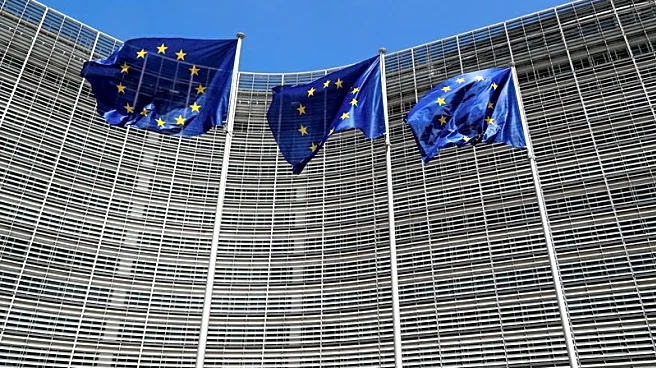
* U.S. President Donald Trump's renewed tariff threats against European allies amid rising tension over Greenland have revived talk of the 'Sell America' trade that emerged in the aftermath of his sweeping Liberation Day levies last April.
* The White House threatened to hit French wines and champagnes with 200% tariffs in an apparent effort to cajole French President Emmanuel Macron into joining President Trump’s Board of Peace initiative.
* Canadian Prime Minister Mark Carney is trying to foster a new global trading order by working more closely with China and inking smaller trade deals.
* President Trump's embrace of the oil industry risks turning into an uncomfortable bear hug amid his wider push for lower energy prices, argues ROI Energy Columnist Ron Bousso.
* Despite multiplying threats to the world order, EU leaders cannot afford to delay long overdue economic reforms in line with Mario Draghi's recommendations, argues former Reuters Senior Editor Mike Peacock.
TRANSATLANTIC TANTRUM
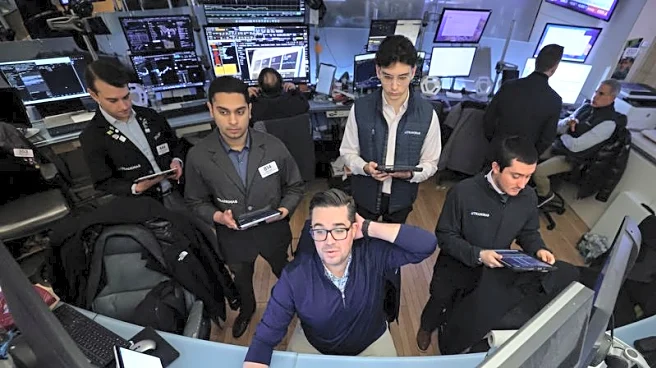
European equities fell over 1% on Tuesday morning, while Nasdaq and S&P 500 futures also slipped before the bell. And the dollar was under pressure even as the yield on the 10-year U.S. Treasury note rose to 4.265%, marking a four-month high.
Even though the greenback and Treasuries slumped, Trump’s threats lifted demand for other traditional safe-havens. Gold surpassed $4,700 per ounce for the first time on Tuesday.
So far, today’s activity looks more like a ‘sell America’ trade rather than a pure risk-off mood. While the direction of travel is clear, these moves appear to be contained so far, with markets inevitably wary of overreacting after last year’s tariff ructions and climbdowns.
But it is difficult to see how this Transatlantic fracas will be resolved.
President Trump showed no signs of softening his demands on Tuesday, noting in a post on Truth Social that Greenland remained “imperative for National and World Security” and that “there can be no going back”. This comes after he appeared to link his desire to acquire the Arctic island to his failure to win the Nobel Peace Prize last year, which he blamed on Norway.
This should put even more of a spotlight on Davos in the coming days, where the World Economic Forum is entering its second day. President Trump is expected to speak on Wednesday. He recently told journalists that the U.S. would discuss his proposed acquisition of Greenland at the event.
U.S. Treasury Secretary Scott Bessent, who is at the event in Switzerland, told reporters he was “confident that the [European] leaders will not escalate”, brushing off the prospects of a prolonged trade war and a European sell-off of U.S. Treasuries.
It is worth noting that European investors own $8 trillion worth of U.S. equities and bonds, leading some to question what it would take for a sell-off to occur. While some analysts poured cold water on any immediate risk of this happening absent further escalation, others noted that appetite for portfolio diversification away from the U.S. remains strong.
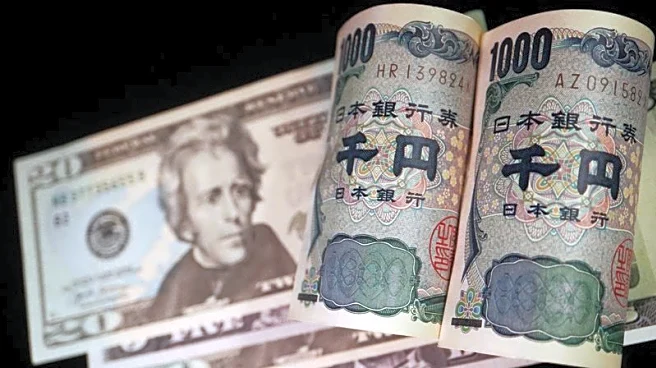
Elsewhere, long-dated Japanese government bond (JGB) yields hit record highs on expectations that the country’s February 8 snap election would lead to looser fiscal policy and further strain public finances. Demand was low at an auction of 20-year JGBs on Tuesday, with yields touching a high of 3.35% as the market priced in the fiscal and political risks.
Chart of the day
Japanese government bond yields reached all-time highs on January 20 as markets weighed expectations of looser fiscal policy ahead of a February election called by Prime Minister Sanae Takaichi. Yields now sit significantly higher than they did on October 20 last year, the eve of Takaichi's election as prime minister.
Today's events to watch
* French President Emmanuel Macron visits WEF at Davos
* U.S. corporate earnings: Netflix
Want to receive the Morning Bid in your inbox every weekday morning? Sign up for the newsletter here. You can find ROI on the Reuters website, and you can follow us on LinkedIn and X.
Opinions expressed are those of the author. They do not reflect the views of Reuters News, which, under the Trust Principles, is committed to integrity, independence, and freedom from bias.
(By Mike Dolan )