
By Shadia Nasralla
LONDON, Sept 14 (Reuters) - Oil prices continued their surge, rising more than 3% on Monday, after new strikes on Saudi Arabian energy infrastructure and attacks on ships in the Middle
East compounded supply concerns.
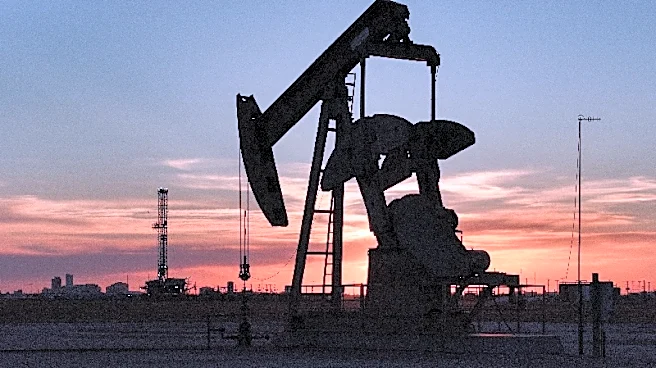
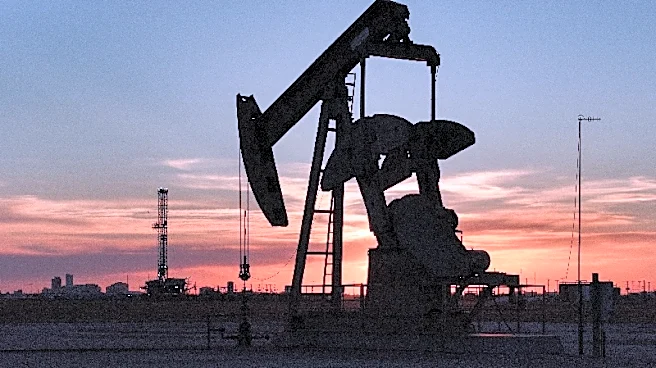
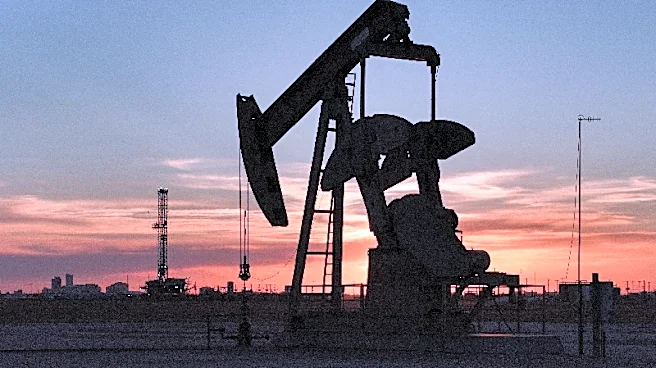
Brent crude futures climbed $3.43, or 3.3%, to $108.04 per barrel by 0924 GMT. WTI futures gained $3.49, or 3.5%, to $103.54 per barrel.
Oil prices surged around 9% higher last week as attacks in the Middle East escalated, with Brent rising above $100 a barrel for the first time since July and hitting its highest since May at around $110. The rally pushed U.S. diesel prices above $6 a gallon for the first time ever, triggering a plea from U.S. President Donald Trump to Ukraine to stop attacking Russian diesel infrastructure.
Global bond markets have come under pressure from higher energy prices feeding inflation and higher interest rates, with yields repeatedly climbing to fresh multi-year highs.
Saudi Arabia's East-West pipeline was temporarily shut following a drone attack, according to Saudi officials. The shutdown of the pipeline, which helps Saudi Arabia avoid the Strait of Hormuz and re-route its exports through the Bab el-Mandeb strait, threatens up to 4% of global oil supply.
With the pipeline out of service, the port of Yanbu on the Red Sea has enough inventory to cover just five to seven days of exports, according to three industry sources.
Yemen's Iran-aligned Houthis reached the strategic island of Perim on Friday, moving to tighten their control over Bab el-Mandeb.
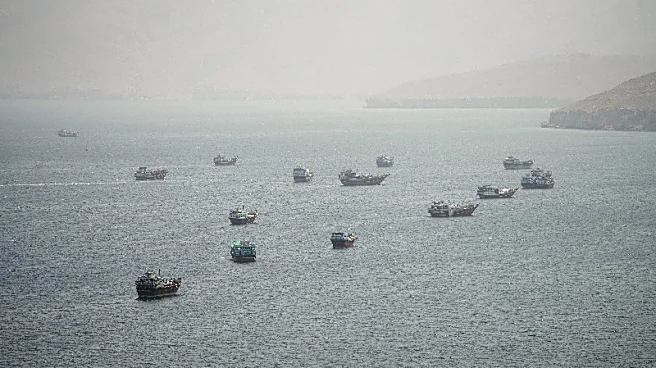
Meanwhile, a vessel in the Strait of Hormuz was struck by a projectile, causing a fire and forcing the crew to evacuate, the British maritime security agency UKMTO said on Sunday.
Iran said one person was killed and four crew wounded aboard an Iranian commercial vessel struck off its coast.
Omani Foreign Minister Badr Albusaidi said on X on Sunday that a scheduled Monday meeting in Oman between Gulf countries and Iran to discuss the Strait of Hormuz had been postponed.
"Short of stopping both oil price affecting wars and curing the global refinery (capacity) problem, our fraternity is wondering where an inoculation against $120 Brent can be found," said PVM analyst John Evans, pointing to Russian refinery outages and falling stockpiles.
(Reporting by Shadia NasrallaAdditional reporting by Colleen Howe in Beijing and Jeslyn Lerh in SingaporeEditing by Joe Bavier and Susan Fenton)