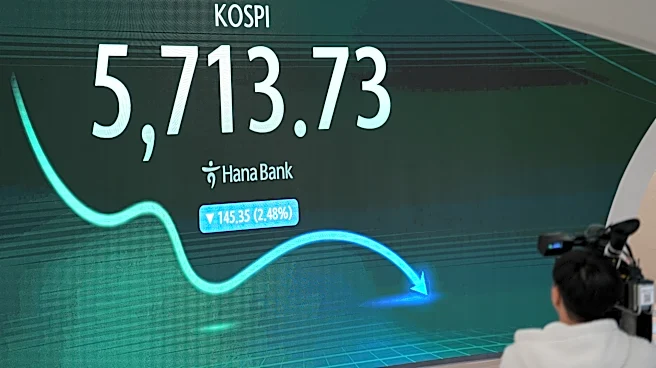



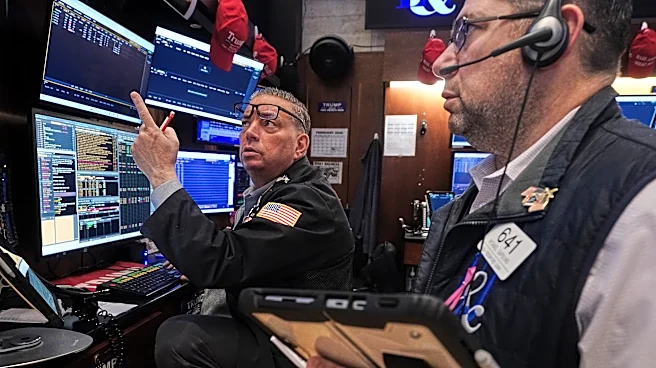
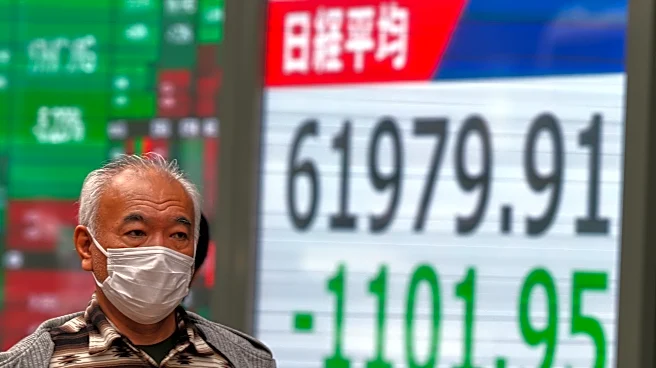

SINGAPORE, Nov 6 (Reuters) - Asia's tech-heavy markets were braced for selling on Friday as fears of regulatory scrutiny and a slowdown in the AI buildout unleashed the steepest falls for US stocks since the tariff-triggered "Liberation Day" rout a year and a half ago.
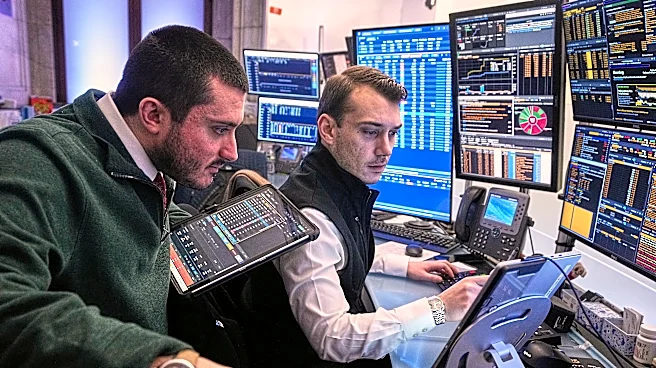
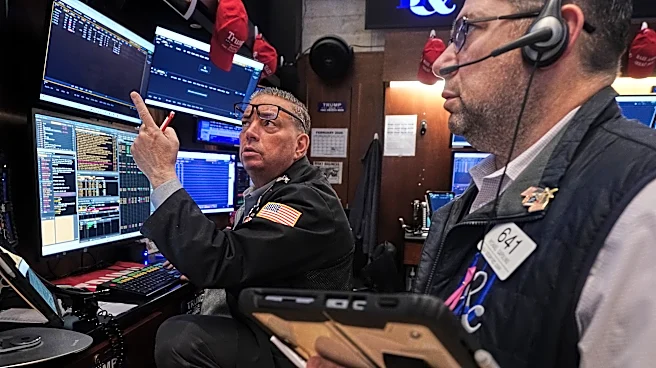
Wall Street's volatility "fear gauge" soared, the Nasdaq sank 5.5% and $3 trillion was wiped off S&P 500 companies, with investors worried Democrats, who swept to power at the midterms this week, will apply the brakes to the AI boom.
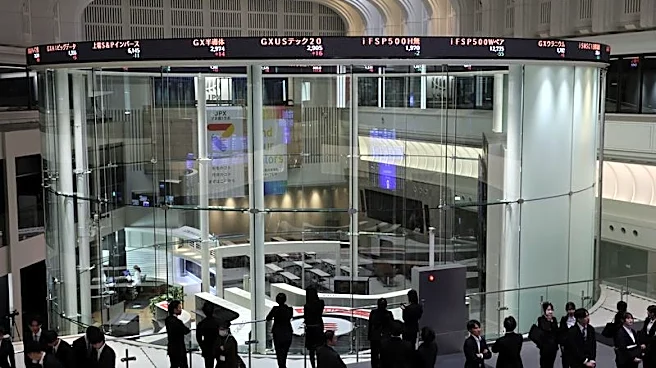
Asia's chipmakers and data centre equipment suppliers in South Korea, Taiwan and Japan are seen as especially vulnerable and had already tumbled on Wednesday and Thursday.
"It's pretty clear there's been a real shift in sentiment," said Michael McCarthy, chief executive for Australia and New Zealand at online brokerage Moomoo.
"Market turning points are often accompanied by strong disagreement, and that shows up in the market by huge swings in either direction," he said. "That's what we appear to have had — and last night's emphatic sell-down suggests that is the direction that we're now headed in."
The Philadelphia Semiconductor Index slumped 12.2% overnight and the Nasdaq, which reversed an initial swing higher after the midterms before dropping, has now shed 12% from its record high close a month ago.
Bonds were poised to gain in Asia, while the dollar slipped against safe-haven currencies such as the yen and Swiss franc.
"Treasuries can probably rally a lot further," said Nick Ferres, chief investment officer at Vantage Point Asset Management in Singapore. "And I suspect it will be an ugly day for semiconductor and memory (stocks)."
(Reporting by Tom Westbrook; Editing by Sam Holmes)