






By Rae Wee
SINGAPORE, April 24 (Reuters) - Asia shares struggled on Friday and oil prices resumed their rise, as a shaky ceasefire in the Middle East war and stalled U.S.-Iran peace talks gave investors little to cheer.
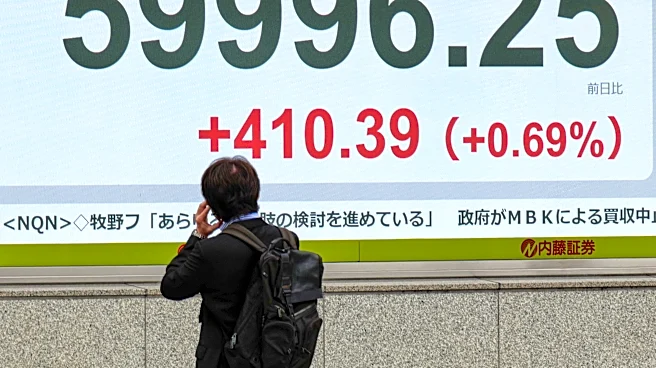
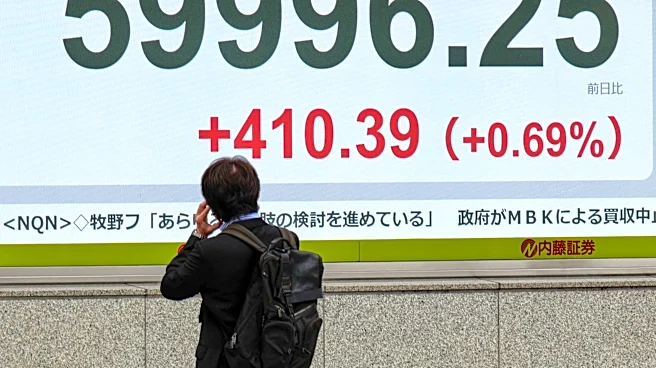
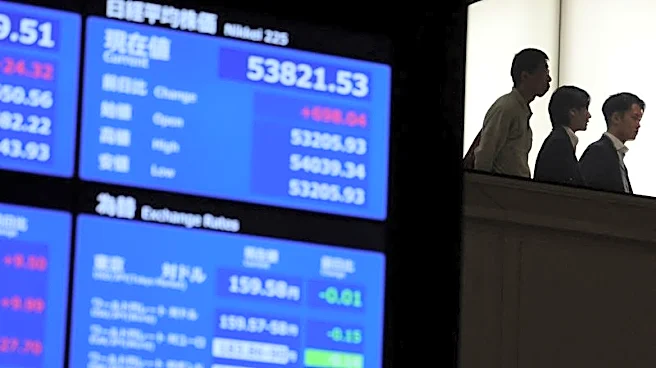
MSCI's broadest index of Asia-Pacific shares outside Japan rose 0.3% and was set to end the week with a 0.8% gain, while Japan's Nikkei added 0.45% and stocks in South Korea, China and Hong Kong fell.
Nasdaq futures and S&P 500 futures advanced 0.6% and 0.1%, respectively, after closing
lower in the cash session overnight, while EUROSTOXX 50 futures were down 0.65% and FTSE futures fell 0.9%.
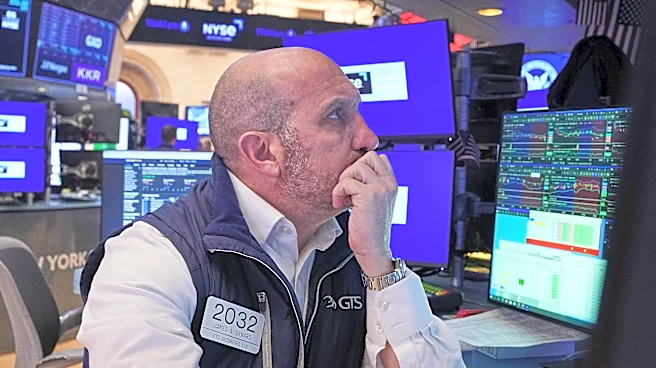
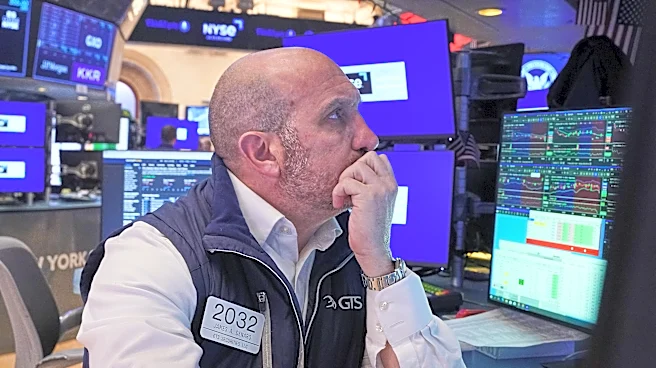
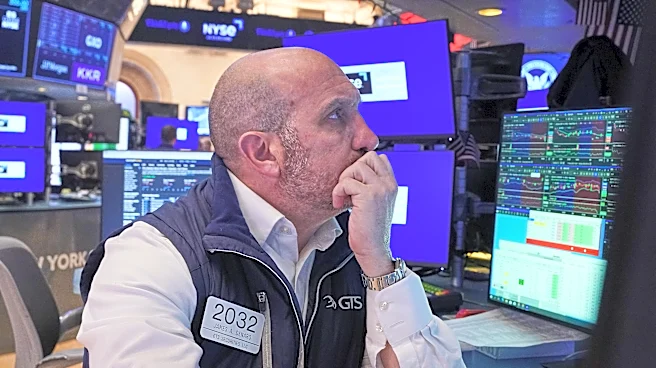
The mixed showing underscored the tense market mood as investors this week seesawed between hope for an imminent end to the war and fear that it might not come soon.
"The thing is, a ceasefire is a funny term to use in conjunction with a blockade and rolling tensions and animosities," said Vishnu Varathan, Mizuho's head of macro strategy for APAC.
Iran on Thursday flaunted its tightened grip over the key Strait of Hormuz with a video of commandos in a speedboat storming a huge cargo ship, while U.S. President Donald Trump said he had ordered the Navy to "shoot and kill" Iranian boats laying mines in the strait, and step up demining activity.
Trump's comments came just days after he said he would indefinitely extend what had been a two-week ceasefire with Iran to allow for further peace talks.
"It's not going to be a linear de-escalation of violence and oil prices and volatility around the entire supply shock," said Varathan.
"(Investors) have just been looking for excuses to put on optimistic trades opportunistically. I don't think anybody in the market truly believes that this will be over in a week or two."
In oil markets, prices rose as the stand-off in the Strait of Hormuz persisted.
Brent crude futures jumped more than 1% to $106.21 a barrel, while U.S. crude gained 1% to $96.77 per barrel. [O/R]
Markets, meanwhile, largely shrugged off news that Lebanon and Israel extended their ceasefire for three weeks after a high-level meeting at the White House.
YEN ON THE CUSP OF 160
Moves in currencies were more muted on Friday, though the dollar was on track for a weekly gain owing to renewed safe-haven demand.
The euro last bought $1.1684 and was set to lose nearly 0.7% for the week, while sterling was little changed at $1.3469 and headed for a slight weekly decline.
A host of central banks, including the U.S. Federal Reserve, the European Central Bank and the Bank of England, are due to announce their policy decisions next week, with investors focusing on what policymakers say about the war's impact on inflation and the economy.
"In view of the demand destruction implied by higher energy prices, there may be an understandable reluctance by many G10 policymakers to push ahead with rate hikes over the coming months," said Jane Foley, head of FX strategy at Rabobank.
The Bank of Japan (BOJ) also meets next week, where expectations are for the central bank to keep rates on hold.
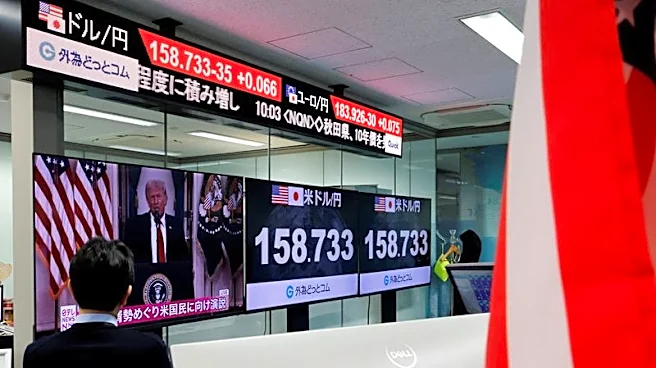
Ahead of that, currency traders were focused on the yen with the currency a whisker away from the key 160 per dollar level widely seen as a trigger for intervention.
The Japanese currency was last slightly weaker at 159.78 per dollar and was set to lose 0.7% for the week.
Japanese Finance Minister Satsuki Katayama renewed warnings of currency intervention on Friday, stressing "decisive action" in close coordination with the United States.
"Lower market liquidity during Golden Week, which comes directly after the BOJ meeting, may provide an opportunity for FX intervention and a knee-jerk appreciation in the yen within the 150–160 range," said Carl Ang, fixed income research analyst at MFS Investment Management.
Markets will be closed on a number of days over the annual Golden Week holiday, which lasts into early May.
Elsewhere, spot gold was flat at $4,691.60 an ounce. [GOL/]
(Reporting by Rae Wee; Editing by Kate Mayberry)