
Jan 16 (Reuters) - Markets will have a lot to ponder in the coming week as January's hectic start continues apace, with U.S. President Donald Trump's appearance at the World Economic Forum in Davos taking
centre stage.
The ongoing battle for control at the Federal Reserve will also head to the Supreme Court and the Bank of Japan meets, with a possible snap election on the horizon.
Here's all you need to know about the coming week in financial markets by Amanda Cooper and Naomi Rovnick in London, Rae Wee in Singapore, Kevin Buckland in Tokyo and Lewis Krauskopf in New York.
SNOW BOOTS ON THE GROUND
It's that time of year when political leaders, central bankers, billionaires and tech bros swap their spreadsheets for snow boots and head to the Swiss mountain resort of Davos, for the 56th World Economic Forum.
In addition to navigating the gathering's infamous colour-coded badge system that separates the movers and shakers from everyone else, delegates will explore this year's theme, "A Spirit of Dialogue", from January 19-23.
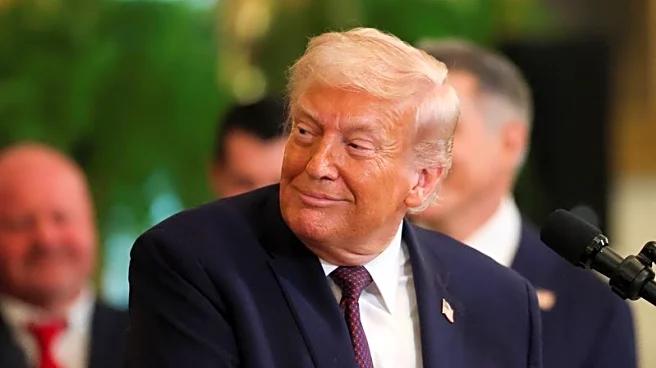
But the main focus is going to be Trump, who plans to attend in person, having addressed the forum last year via video link, right after the start of his second term. He's said his speech will cover housing and affordability proposals.
But everyone will be watching for news on anything from geopolitics to trade from the president. The one thing beyond the "Trump effect" that could dominate the conversation is AI.
COOKING UP A STORM
Trump’s battle with the Federal Reserve heads to the Supreme Court on Wednesday in a case that may have ramifications for the central bank’s ability to operate independently.
The justices will hear a case filed by policymaker Lisa Cook in response to Trump’s attempt to remove her from the Fed’s board. This battle looms in the wake of outgoing Fed chair Jay Powell having been served with a subpoena by the Department of Justice over previous testimonies concerning Fed office renovations.
This, Powell said, was part of the broader context of the administration's threats and ongoing pressure. The Fed sits in a category of independent agencies that are traditionally insulated from presidential control.
Cook has said Trump's claims against her did not give him the legal authority to remove her and were a pretext to fire her for her monetary policy stance.
ELECTION GAMBLE
Japanese Prime Minister Sanae Takaichi is betting her personal popularity with the voting public will translate into a stronger mandate with her decision to call a snap election, ostensibly for February 8.
That's actually something of a gamble. Takaichi's cabinet rating is above even that of her mentor Shinzo Abe, while her party - the scandal-tainted LDP - continues to sag near historic lows.
For now, investors seem to believe her coalition can at least expand their currently puny lower house majority, giving her more scope for big fiscal stimulus. And that has stocks soaring to record highs, while the yen and long-dated government bonds sink.
Her dissolution of parliament next Friday to pave the way for polls may overshadow the other big event of the week in the country: the Bank of Japan's policy decision.
After raising rates only last month, little is expected at next week's central bank gathering, with most economists postulating July as the timing for a follow-up hike.
TARGET MET, WHAT NEXT
China kicks off the week with the release of its highly anticipated fourth-quarter and full-year GDP figures, where expectations are for Beijing to have met its growth target even as its economy continues to trudge along.
Growth, which President Xi Jinping said last month is set to reach around 5% in 2025, is likely to have been supported by the country's goods exports, which proved resilient even in the face of Trump's tariffs.
China reported a record trade surplus of nearly $1.2 trillion in 2025.
But one of the key questions facing policymakers is how long the $19 trillion economy can withstand a property slump and sluggish domestic demand by exporting ever-cheaper goods.
Alongside Monday's GDP data, investors will also get December house prices and retail sales figures, which are likely to reinforce the case for further policy support.
EARNINGS STREAM
The fourth-quarter U.S. earnings season heats up, with reports due from high-profile companies including Netflix, Johnson & Johnson and Intel.
Streaming giant Netflix reports results in the middle of its high-stakes battle with Paramount Skydance for Warner Bros Discovery - deal set to shake up the media landscape.
Mixed results from banks have kicked off the reporting season, as top JPMorgan executives also warned Trump's proposed 10% cap on credit card interest rates would hurt consumers.
Corporate outlooks will be crucial over the coming weeks. Broad expected earnings growth in 2026 is a key underpinning for optimism among stock investors.
(Graphics by Vineet Sachdev, compiled by Samuel Indyk; Editing by Toby Chopra)