




By Nicole Jao
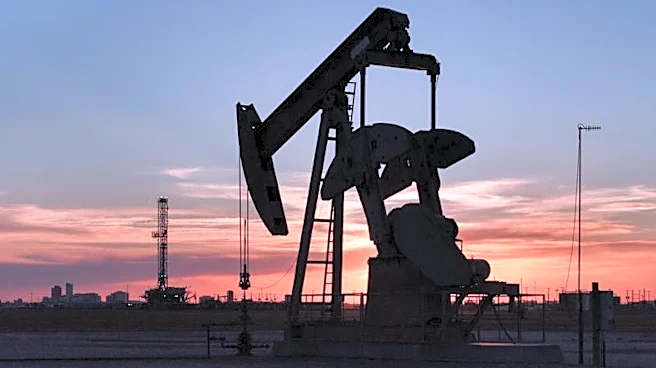
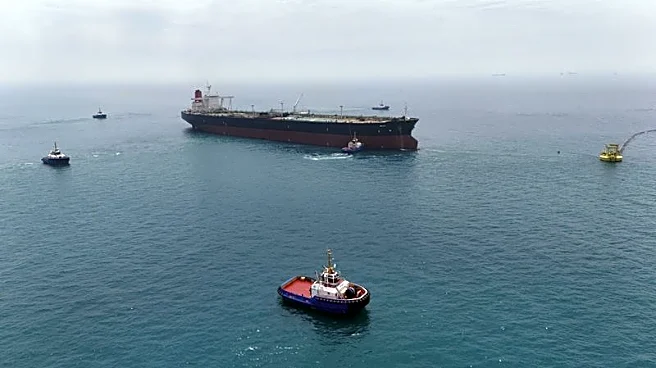
NEW YORK, Sept 10 (Reuters) - Oil prices jumped 5% on Thursday, with both major benchmarks trading at over $100 a barrel as the biggest spike in attacks on shipping since the Iran war began fed worries about further disruptions to already tight supplies.
Brent crude futures were up $5.39, or 5.33%, at $106.60 a barrel by 11:49 a.m. ET (1549 GMT). U.S. oil topped $100 a barrel for the first time since May as West Texas Intermediate crude futures rose $5.16, or 5.37%, to $101.21.
Brent prices
have surged by more than 30% from lows touched in early August as a permanent agreement between the U.S. and Iran to cease attacks never materialized and fighting resumed.
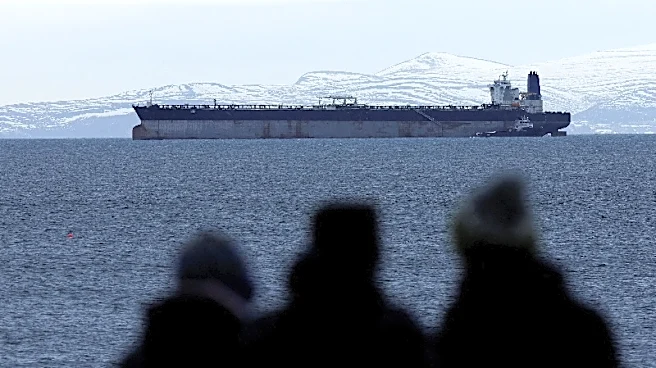
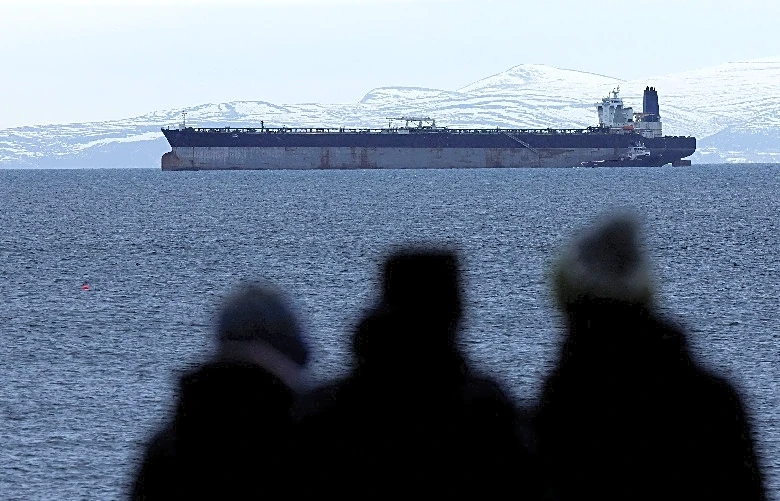
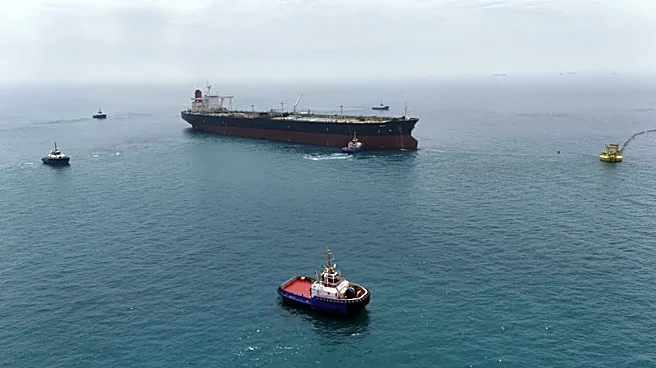
Iran-aligned Houthis seized control of Yemen's port of Mocha on Thursday, posing further threat to Red Sea traffic, while Gulf traffic remains restricted through the Strait of Hormuz as tanker attacks in the region have intensified in recent days.
Attacks from Yemen on Saudi energy facilities introduce a fresh source of market risk, expanding concerns beyond Iran and the Strait of Hormuz, said Simon-Peter Massabni, head of business development at XS.com. The threat is no longer confined to a single choke point, but now includes the potential for disruptions to ripple across regional export routes, oil production sites and other energy infrastructure.
U.S. President Donald Trump warned that the U.S. may hit Iran's Pickaxe Mountain, located near its heavily damaged Natanz uranium enrichment facility, and said the war would likely last beyond the November midterm elections.
Iran said it had attacked 10 ships near the Strait of Hormuz on Wednesday, after the U.S. hit five Iranian oil tankers. Iran's Islamic Revolutionary Guard Corps said it would escalate its response to any further attacks.
"With prospects for a definitive resolution to the Iran conflict dimmed and Brent crude prices recently topping $100 for the first time since July, crude oil markets are now settling into a prolonged new normal where disruption risk is persistent, not episodic," a new analysis by S&P Global Energy showed.
Analysts said the durability of the rally will hinge on China, the world's largest crude importer.
China has stepped up purchases in recent weeks after months of subdued demand, boosting physical crude markets, ING analysts said in a note.
If Chinese buying continues to recover, it could amplify the impact of any supply disruptions and drive prices higher, while a pullback in imports could temper market gains, ING said.
"For months the bearish case rested on soft Chinese demand," said David Jorbenaze, global oil market lead at commodities information provider ICIS.
OPEC on Thursday lowered its forecast for world oil demand growth in 2026 to 380,000 barrels per day, a copy of its monthly report showed, marking the fifth straight downward revision.
OPEC oil output fell by 640,000 bpd in August, a Reuters survey found, as Saudi exports faced new disruptions due to the war in Iran and a U.S. blockade cut Iran's shipments.
(Reporting by Nicole Jao in New York, Robert Harvey in London, Sethuraman NR in New Delhi; editing by Mark Potter, Jason Neely and David Gregorio)