

By Echo Wang
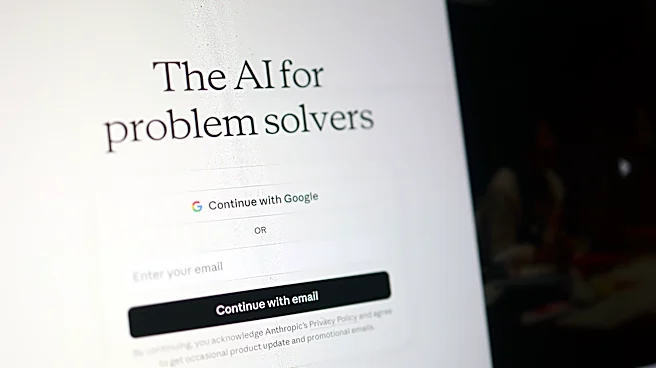
Nov 10 (Reuters) - Anthropic's IPO is set to raise as much as $64.4 billion, according to the latest draft prospectus seen by Reuters on Tuesday, as the AI company gears up to launch its marketing of the much-awaited deal.
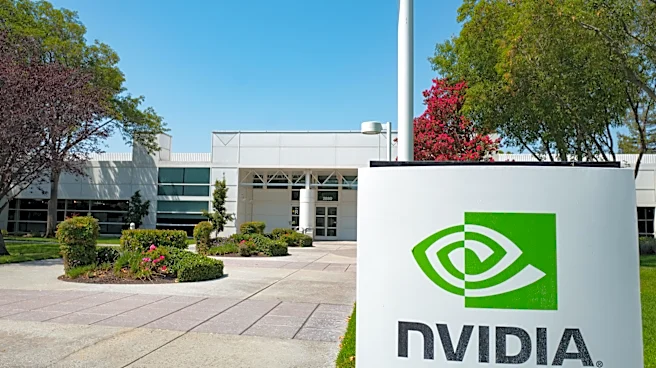
The company will also raise $26 billion via a separate private placement deal with cornerstone investors including Alphabet's Google, Nvidia and Advanced Micro Devices, the draft prospectus showed.
Together with investments from cornerstones, which also include Broadcom,
Micron Technology, Microsoft and TSMC, the Anthropic share offering will raise a total of up to $90.4 billion.
The US company and some of its investors plan to sell shares in the IPO in an indicative price band of between $70 and $78 per share, the prospectus showed. Deal details are expected to be announced soon.
Anthropic and the cornerstone investors did not respond immediately to requests for comment.
Details of the blockbuster deal were briefly circulated to investment banks before being retracted late on Monday, according to emails seen by Reuters.
COMPANIES FACING RISE IN INTEREST RATES
The Anthropic IPO comes at a time when other companies in the AI infrastructure and data center sectors have delayed or withdrawn their planned listings, facing a rise in interest rates.
That has helped fuel a punishing selloff in shares and bonds of AI operators such as CoreWeave Inc and broader questions about the sustainability of AI spending.
Investors had previously discussed a valuation of as much as $2 trillion for Anthropic, but expectations have since come down, with the $1.5 trillion figure viewed as the high end of the range, Reuters has previously reported.
Founded in 2021 by former OpenAI executives including CEO Dario Amodei and his sister Daniela Amodei, who is now Anthropic's president, Anthropic has emerged as one of the leading generative AI developers with its Claude family of models.
The company's rapid growth has been underpinned by Google and Amazon, which are simultaneously investors, suppliers of computing power and important distribution partners, as well as AI competitors.
(Reporting by Echo Wong; Editing by Sumeet Chatterjee, David Goodman and Jan Harvey)