





By Dan Rosenzweig-Ziff
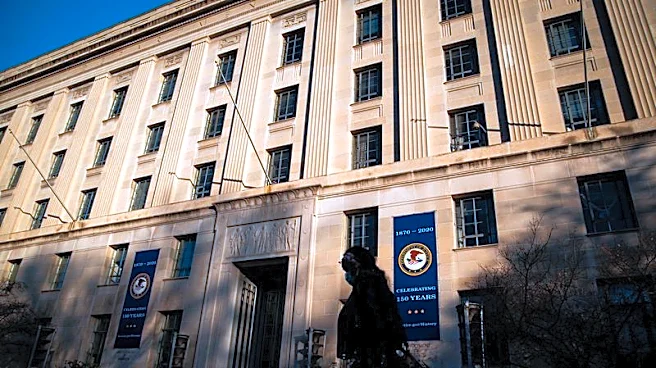
WASHINGTON, Nov 9 (Reuters) - The US Justice Department has not awarded roughly 75% of congressionally appropriated grants to combat human trafficking in the last two fiscal years, according to a letter from Democratic Senator Richard Blumenthal seen by Reuters.
The result is a delay in more than $130 million in funding for anti-trafficking legal clinics, advocates and nonprofit groups, forcing some providers to curtail or eliminate critical support services for survivors, including
children.
"It’s really sickening and outrageous to withhold this money," said Blumenthal, a senator from Connecticut and member of the Senate Judiciary Committee, in an interview. "This money was appropriated, and they are illegally withholding it." Blumenthal said he plans to press Arthur Kleinschmidt, the administration's nominee to lead the Office of Justice Programs, for an explicit commitment to release the funds during his confirmation hearing on Tuesday.
FUNDING LAPSE HAS CLOSED LEGAL SERVICES: ORGANIZATIONS
Organizations say the funding lapse has already inflicted lasting damage. Providers have closed some legal services, laid off workers and had to turn children away for lack of funding, and law enforcement agencies have less financial support to investigate and prosecute trafficking crimes.
In a letter sent on Monday to Brecht Donoghue, director of the human trafficking division within the Justice Department's Office for Victims of Crime, Blumenthal called for the release of the money and demanded a full accounting of what caused the administrative backlog.
A Justice Department spokesperson said in a statement that Blumenthal's letter is "politically motivated and deliberately deceptive."
"The Department has received hundreds of applications, which are being carefully reviewed to ensure funding reaches the organizations that are best equipped to deliver critical services to survivors of human trafficking,” the spokesperson said, though they did not dispute the amount of money that has already been awarded or respond to questions about the impact the delay is having on survivors.
Attorney General Todd Blanche has told Congress that combating human trafficking is "a Department priority given the gravity of the harm it causes."
President Donald Trump and Justice Department leaders have repeatedly framed the fight against human trafficking as a signature domestic priority, appointing career prosecutor Alessandra Serano as national coordinator for child exploitation and human trafficking.
Advocates and Democratic officials say the delays run counter to the Justice Department's stated goals. They say the backlog has disrupted aid to 10,000 survivors served by the grantees each quarter.
Providers have warned that vulnerable people are at risk of being trafficked again without access to emergency shelter, mental health counseling, legal aid and job training.
In August, Reuters found that sex-trafficking investigations and prosecutions had declined under Trump because of staffing shortages, funding cuts, immigration enforcement and growing distrust of the government among victims.
Historically, the OVC has awarded roughly $90 million in anti-trafficking grants, typically distributed in three-year cycles that begin October 1. According to the review by Blumenthal's staff, more than half of the grants appropriated for fiscal year 2025 and all fiscal year 2026 grants have yet to be awarded.
The administration awarded roughly $30 million in delayed funds last week. According to a Justice Department official, the department expects to award the remainder of the fiscal year 2025 grants by the end of the week and received more than 670 applications for fiscal year 2026 grants, which are under review. Still, even if the rest are awarded in the coming weeks, the funding will arrive months later than the department's initial target dates.
"There were a lot of organizations that were hanging on by their fingernails hoping for the funds to be released," said Martina Vandenberg, president of the Human Trafficking Legal Center. "You can't just bring this type of work back."
(Reporting by Dan Rosenzweig-Ziff. Editing by Michael Learmonth, David Gregorio and Rod Nickel)