



By Stefano Rebaudo and Javi West Larrañaga
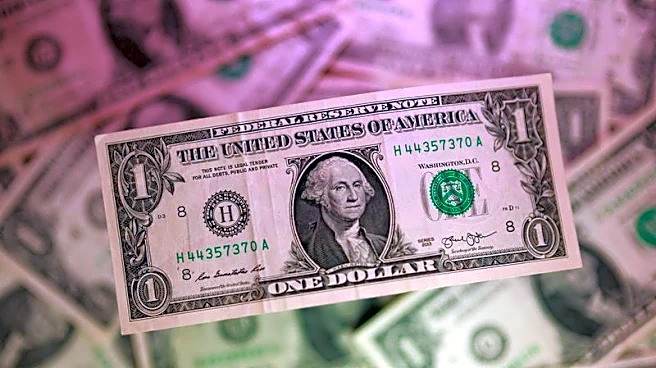
Nov 12 (Reuters) - The dollar edged lower on Thursday after reaching the highest level in about 19 months earlier in the session as strong inflation data triggered a hawkish repricing of the Federal Reserve's rate path, driving short-dated US Treasury yields sharply higher.
US central bank officials expressed concern over stubborn inflation and left open the possibility of a 50-basis-point increase, with Fed Governor Christopher Waller saying he planned to support
a quarter-point increase at the Fed's December 8-9 meeting unless core CPI came in at 0.3% or more.
Some brokerages, including Goldman Sachs, now expect another hike early next year, in addition to one in December.
“Even if the Fed decides to hike 25 basis points at its upcoming meeting, the risk of stickier near-term inflation argues for hiking at both the December and January meetings with the risk of another in March,” Tiffany Wilding, an economist at PIMCO, said.
The dollar index, which measures the greenback against a basket of currencies, was 0.03% up at 102.88 after reaching 103.08 - the highest since April 2025.
New York Fed President John Williams is due to appear on a panel late on Thursday.
"If Williams backs 50 basis points or the idea of 50 at least discussing it, then the market will have to continue to reprice that. And then you can see further dollar strength," said Kenneth Broux, strategist at Societe Generale.
EURO AREA RATE PATH AND POLITICS WEIGH
The euro edged 0.03% down at $1.1086, after reaching $1.106675 in the Asian session, its lowest level since May 2025. It fell about 1.3% across Tuesday and Wednesday.
Investors are closely watching rate divergence as differing expectations for central bank policy paths can have a major influence on currency markets. They pointed to diverging signals from central banks after Waller, previously regarded as dovish, opened the door to larger rate hikes.
"ECB is probably going to stop raising rates after the December meeting," Societe Generale's Broux said. "So the spread is going to widen further in favour of the US dollar."
Brent crude futures edged higher on Thursday after falling sharply since the US midterm elections, which eased fears of a further escalation in the Middle East.
However, the euro still faces headwinds from lingering concerns about the fiscal trajectory in France and fading hopes for progress in Ukraine, analysts said. US mediators said Russia and Ukraine remained far apart on key issues, including territory.
"With euro shorts already heavily stretched, near-term rallies may remain corrective rather than signal a durable change in trend," George Vessey, lead forex and macro strategist at Convera, said.
VERBAL INTERVENTION SUPPORTS THE YEN
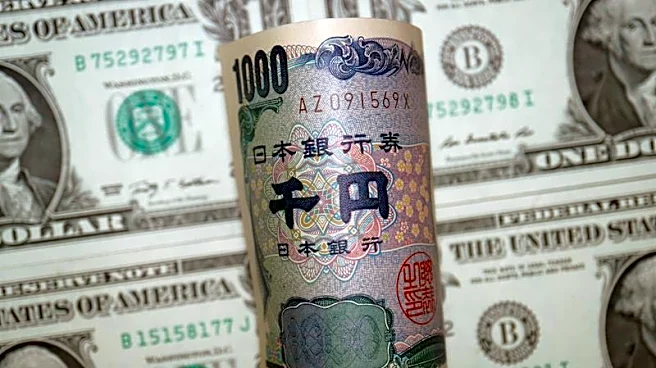
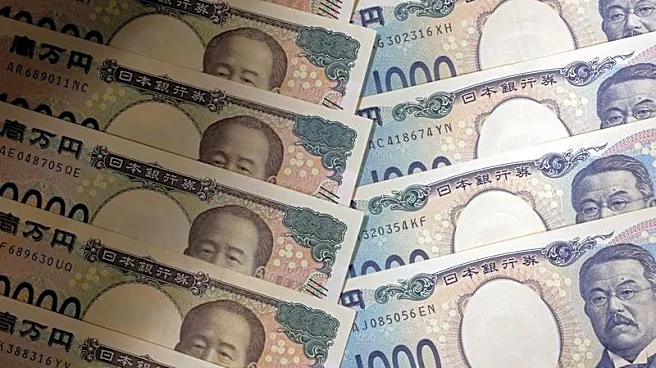
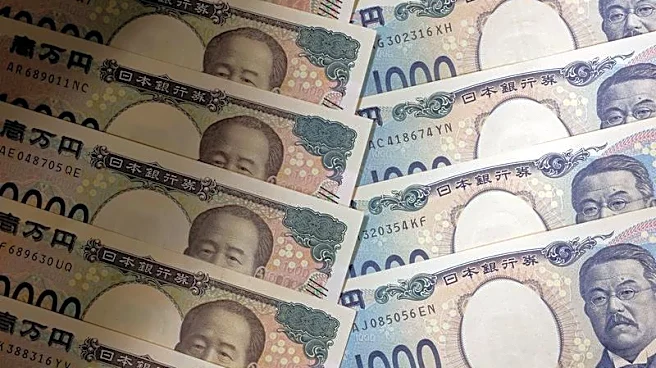
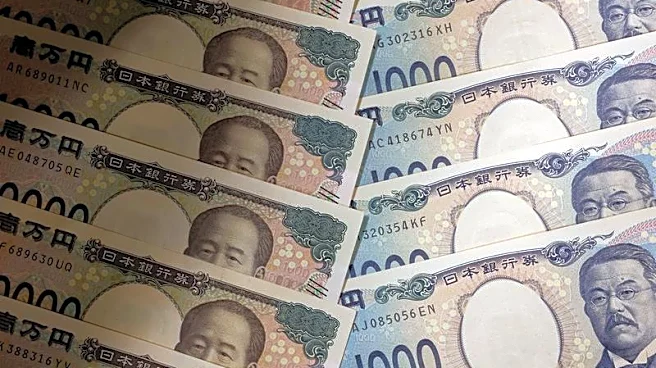
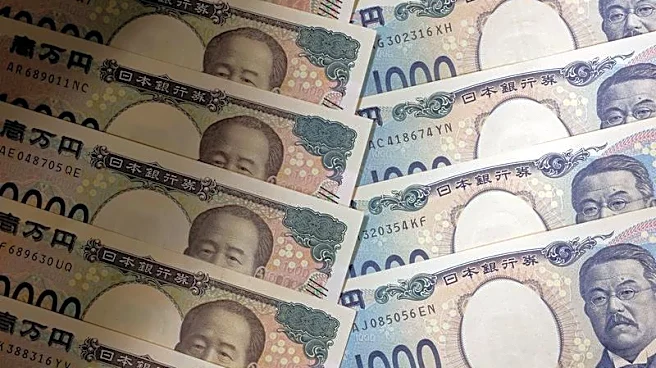
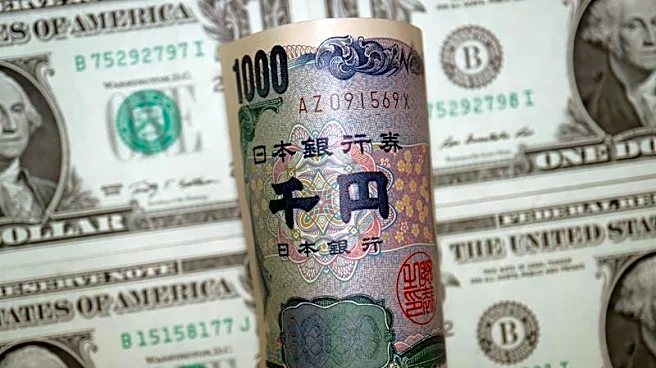
The dollar dropped 0.04% to 159.71 yen after hitting 159.945, the highest level in over two months, as traders focused on wide interest-rate differentials amid growing bets on further Fed hikes.
Japan's top currency diplomat, Atsushi Mimura, warned market participants on Thursday that it is "too early to forget" this summer's intervention as the yen again edged towards the key level of 160 to the dollar.
Bank of Japan board member Toichiro Asada, one of two policymakers who dissented from raising interest rates in June and September, pushed back against calls within the board for a near-term interest rate hike, saying in a speech that premature rate hikes could hurt growth and push down underlying inflation.
Many analysts in a Reuters poll expect the next BOJ rate hike as soon as next month. That view was strengthened on Thursday by data that showed Japan's annual wholesale inflation re-accelerated to 7.1% in the year to October, from 6.8% in September.
The Australian dollar weakened 0.45% against the greenback to $0.6826, hovering near a seven-month low, while New Zealand's kiwi lost 0.15% to $0.5552.
(Reporting by Stefano Rebaudo and Javi West Larrañaga; additional reporting by Satoshi Sugiyama; Editing by DJ Yap, Timothy Heritage and Ros Russell)