
Feb 27 (Reuters) - The Federal Reserve will get another readout on the strength of the labour market before its March meeting, OPEC+ members meet to discuss output quotas and Beijing decides on its economic goals for the next year.
All of this unfolds against a fraught geopolitical backdrop, with the United States expanding its military presence in the Middle East.
And don't forget about tariffs.
Here's all you need to know about the coming week in financial markets by Lewis Krauskopf and Suzanne McGee
in New York, Rocky Swift in Tokyo, and Amanda Cooper and Marc Jones in London.
1/ LABOUR LOOK
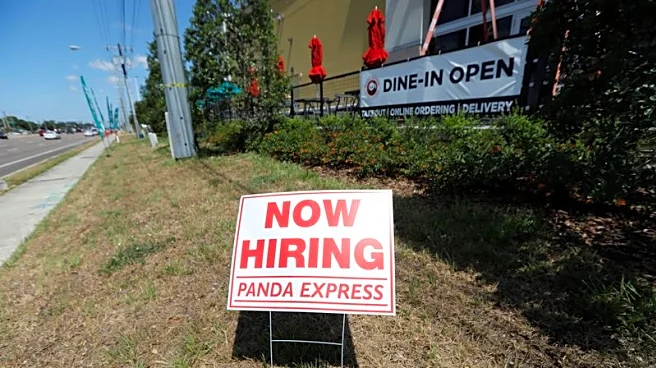
Friday's U.S. employment report will shed light on whether the prior month's unexpectedly strong data was a one-off surprise or signs of a more robust labour market.
The February report is expected to show payrolls rising by 60,000 jobs, according to a Reuters poll, after a 130,000 gain in January as the unemployment rate fell to 4.3%.
The data, among the last major releases before the Fed's March meeting, come as attention sharpens on how artificial intelligence could affect the labour market and broader economy.
In the coming week, reports on manufacturing and services activity will also offer insight into the U.S. economy's health along with retail sales data for January.
2/ CRUDE REALITY
Tensions between the United States and Iran are high, with traders heading into recent weekends bracing for the possibility of a U.S. strike on Iranian targets and Tehran's response.
This weekend, some of the OPEC+ group of major exporters, which includes Russia, review its crude production plans.
Oil prices have risen 17% in 2026 to their highest since last July. This might look like great news for producers, but higher energy costs generally constrain demand.
The International Energy Agency is forecasting a 2026 surplus of almost 4 million barrels a day, as stronger crude prices suppress consumption. There could be a limit to what OPEC+ can do to manage the supply side, when the IEA forecasts most extra crude will come from the "American quintet" - the U.S., Canada, Brazil, Argentina, and Guyana, none of which are in the group.
3/ BEIJING MAPS GROWTH, TOKYO TESTS BOND DEMAND
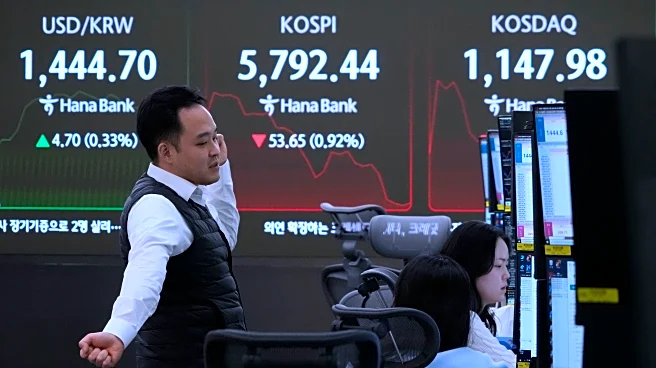
Asia's two largest economies will offer key signals to markets. China decides on economic goals, while Japan tests demand in its volatile bond sector.
Beijing convenes its closely watched National People's Congress, where officials are expected to set out targets for growth, inflation, and spending.
At December's planning conference, policymakers pledged to maintain a "proactive" fiscal policy to stimulate consumption and investment.
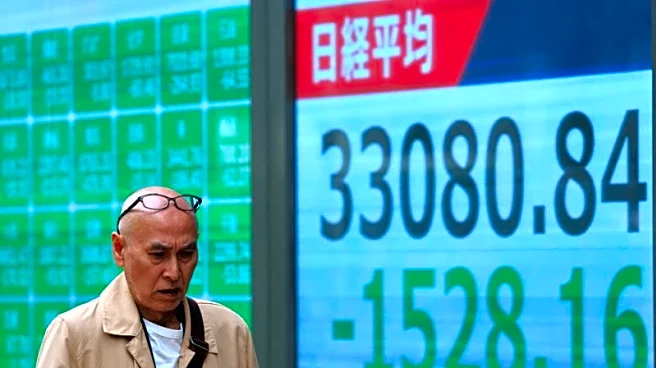
Tokyo will sell 10-year and 30-year government bonds. Yields on those tenors shot to historic levels in January, rattling global debt markets, on concerns about runaway stimulus from Prime Minister Sanae Takaichi. A measure of calm has returned, but that was shaken on Wednesday when Takaichi's government nominated two dovish academics to the Bank of Japan's board.
4/ HEIGHTENED TENSIONS
The run-up in crude oil prices is an indication that geopolitics is again top of mind for investors. The most visible sign of heightened global anxiety is the price of gold, which has been tentatively edging higher again amid fears that talks between the U.S. and Iran aimed at averting conflict will collapse.
As investors increasingly cite geopolitical anxiety as one of their main concerns, the range of assets potentially affected by these tensions is growing. The dollar and Treasury securities, for instance, remain in the hot seat as U.S. President Donald Trump has pledged, including at this week’s State of the Union address, to replace tariffs overturned by the Supreme Court with other levies.
Longstanding relationships between asset classes are being questioned, and the definition of safe havens and “risk on” assets is up for grabs. Today, the focus is on oil and gold; tomorrow it could be … anything.
5/ MEXICAN STANDOFFThe dust is far from settled after the killing of Mexico's notorious drug lord "El Mencho" last weekend, but traders there will have something else to watch on Monday, when a bill to slash spending on electoral processes by 25% goes to Congress.
The reforms would cut financing for political parties, limit daily TV and radio time, require labels for AI-made content, ban bots, scrap consecutive reelection from 2030 and cap pay for elected representatives and electoral officials.
Opposition party leaders warn it could undermine the entire democratic system and approval won't be easy. The bill will require two-thirds backing of each chamber of Congress, leaving President Claudia Sheinbaum's Morena party relying on its Labor and Green Party allies, both of whom have concerns.
Coming at a time when Mexico is gearing up for crucial trade USMCA renegotiations and with disgruntled drug cartels now trying to whip up a war, it's a lot to be dealing with.
(Graphics by Kripa Jayaram and Ron Bousso; Compiled by Samuel Indyk; Editing by Amanda Cooper and Nivedita Bhattacharjee)