
By Leika Kihara
WASHINGTON, April 16 (Reuters) - Bank of Japan Governor Kazuo Ueda said on Thursday a decision on how soon to raise interest rates must take into account the fact that the nation's real
interest rate is low.
Japan is facing rising inflation from a "negative supply shock," which is more difficult to rein in with monetary policy than inflation driven by strong demand, Ueda said.
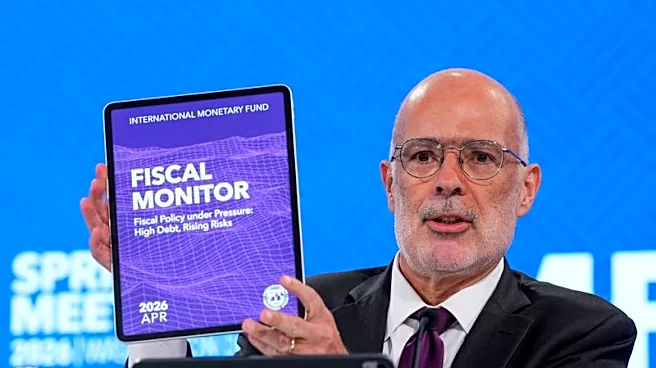
The best approach to such a shock would vary from country to country, Ueda told a press conference after attending the International Monetary Fund (IMF) meetings in Washington.
"Having said that, I would note that Japan's real interest rate is currently low up to the medium-term zone of the yield curve," Ueda said. "We must also take into account the fact Japan's financial environment is accommodative."
After attending the G7 and G20 finance leaders' gatherings held on the sidelines of the IMF meetings, Ueda said many policymakers were of the view that uncertainty stemming from the Middle East conflict remained high.
While rising crude oil prices would hurt the economy by worsening Japan's terms of trade, this pressure must be weighed against robust corporate profits and the boost to growth from the government's stimulus measures, he said.
"If the economy slows, that would put downward pressure on prices. On the other hand, rising crude oil prices would put upward pressure underlying inflation through inflation expectations," he said.
"Taken together, we will make a decision at each policy meeting using data and information available at the time."
(Reporting by Leika Kihara; Editing by Muralikumar Anantharaman and Shri Navaratnam)