




By Tom Polansek
CHICAGO, Sept 24 (Reuters) - The United States plans to reopen the biggest port for livestock inspections along the US-Mexican border on Thursday, expanding America's cattle supplies but not slashing record-high beef prices, government and industry officials said.
The US Department of Agriculture said last week it will resume livestock trade at a port in Santa Teresa, New Mexico, after blocking imports from Mexico last year in an attempt to keep out New World screwworm.
The pest, which
can decimate cattle if left untreated, was found in a calf in Texas in June, rattling ranchers and futures markets as some producers feared cases would explode.
But infestations have been relatively contained, and USDA says it can safely widen trade with Mexico, where cases have continued to climb. The current count of two active US cases includes a horse in New Mexico, about 160 miles from Santa Teresa.
The import ban helped push US ground beef prices to a record near $7 per pound last month, contributing to rising concerns about food affordability ahead of midterm elections in November. President Donald Trump has struggled to bring down prices despite a bevy of policies and other pronouncements, including low-tariff imports and an investigation into meatpackers.
The port reopening will not immediately lower prices because it takes about five to eight months to raise imported Mexican cattle to be ready for slaughter, experts said. Further, US supplies will remain tight after persistent dryness has driven ranchers to maintain ever-smaller herds over the past seven years.
"There's not going to be a change in beef supply from those cattle crossing the border anytime soon," said Jeff Stolle, vice president of marketing for Nebraska Cattlemen, an industry group.
SCARCE CATTLE SUPPLIES
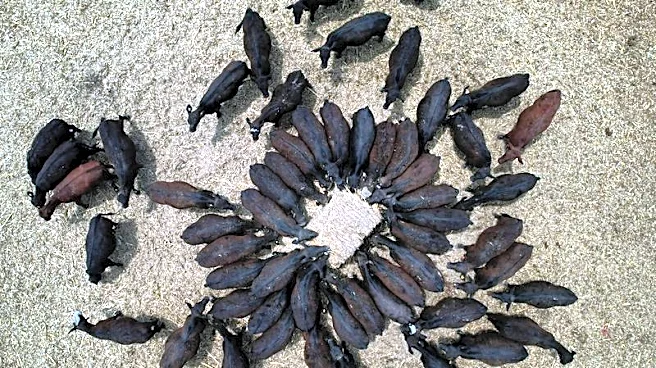
The US had 86.2 million cattle in January, a 75-year low. Ranchers historically relied on Mexican cattle to supplement supplies, with the Santa Teresa port inspecting about 43% of imports in the last five years, according to USDA.
Now, 750 to 1,600 cattle per day are expected to enter at Santa Teresa, down from a high around 3,000 per day, as USDA imposes treatment protocols to ensure animals are not infested, New Mexico Agriculture Secretary Jeff Witte said.
"The percentage impact of that is not that great," Witte said. Imports could help ease pressure on feedlots operating below capacity, he added.
A month ago, USDA resumed imports at a smaller port in Douglas, Arizona. About 6,500 cattle have crossed there so far, data show.
FEW SCREWWORM CASES
New Mexico officials said they felt confident about the safety of resuming trade due to protocols at ports; the low number of US cases; and USDA's rapid response to infestations by releasing sterile flies that combat wild screwworm flies.
"This is not where I thought we would be at this point in the response, given how it was coming up through Mexico," Witte said.
Officials in New Mexico were seeking to determine how the horse, which had not traveled anywhere, became infested, State Veterinarian Samantha Holeck said. They were investigating whether someone may have unwittingly carried screwworm to the area, which is popular for hunting and trail riding, she said.
In Texas, wild animals likely spread the pest, experts said. USDA has not confirmed infestations in wildlife, though, raising questions about the accuracy of its case count. The agency also has not caught wild screwworm flies in traps.
Wildlife cases may be difficult to find because small mammals often hide when they get sick and then die, said Thomas Lansford, Texas' assistant state veterinarian. It is a good sign traps are not catching wild flies, he said.
"That means that population, if it's still there, is very, very low in the environment," Lansford said.
USDA said it will next consider reopening a port in Columbus, New Mexico.
(Reporting by Tom Polansek. Editing by Emily Schmall and Alistair Bell)